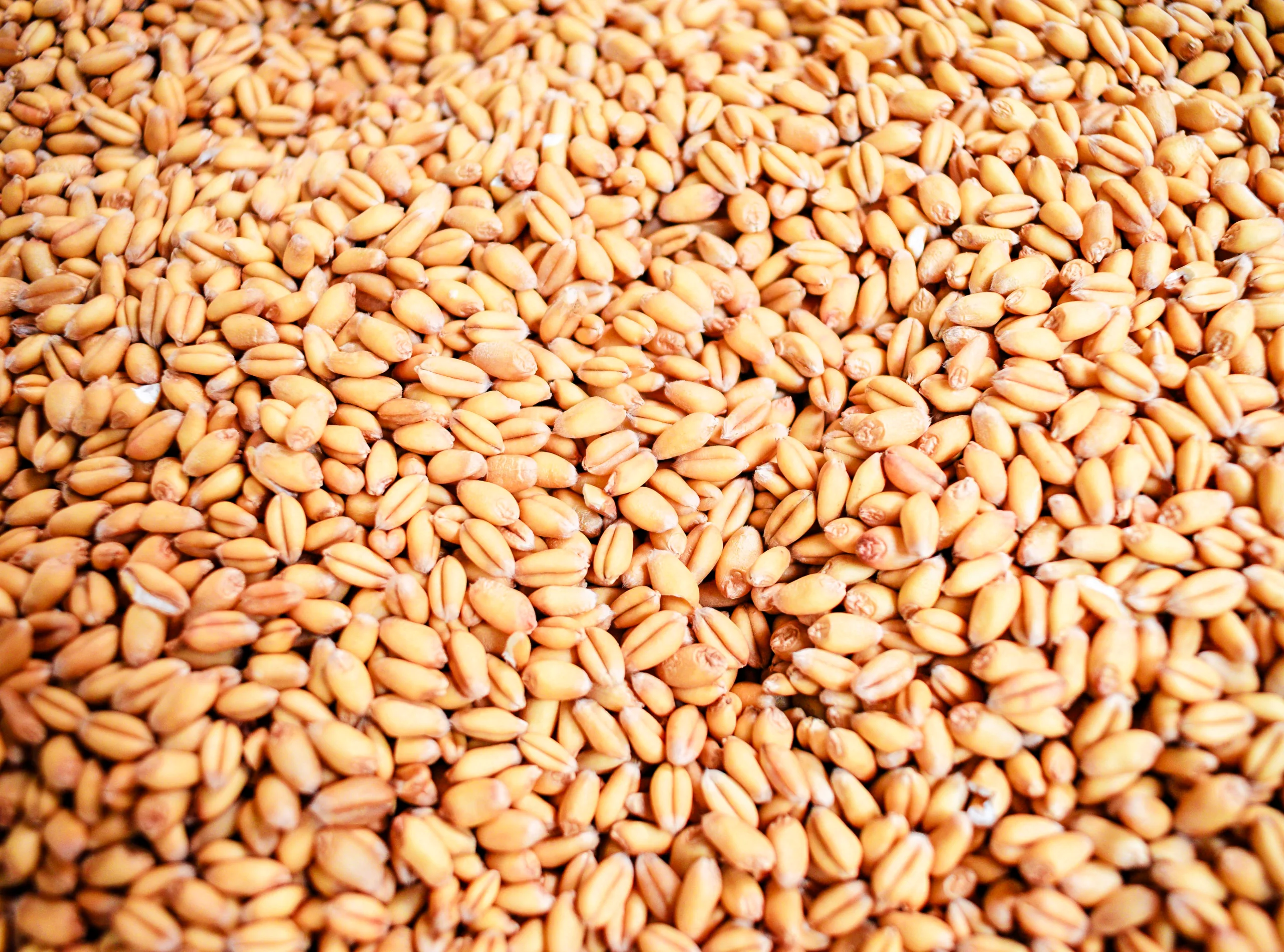
What Is Milled Wheat and Why Fresh Flour Matters
There’s something timeless about the sound of grain turning into flour. At Idie’s Farm, we love milling our own wheat berries into fresh milled flour, a small and simple act that connects us to the generations who baked before us. When the warm scent of freshly ground wheat fills the kitchen, it reminds us that good things take time and that homemade is always worth the effort!
In a world that moves too quickly, milling flour at home is a way to slow down and return to the rhythm of old-fashioned living. It’s how our grandparents baked, with whole grains, patience, and care. And once you’ve baked bread with freshly milled flour, store-bought flour never feels quite the same!
What Does “Milled Wheat” Mean?
Milled wheat simply means wheat berries that have been ground into flour. Each berry contains the bran, germ, and endosperm, and when they’re milled together, you get true whole wheat flour.
Commercial mills often remove the bran and germ to create a longer shelf life, but that process also removes much of the natural flavor and character of the grain—not to mention all of the nutrients! Milling your own flour from whole wheat berries keeps everything intact, including the fiber, natural oils, and hearty taste that make old-fashioned bread so satisfying.
If you’re learning sourdough, this is the flour that gives homemade bread its deep, wholesome flavor. Learn how to use your milled wheat sourdough starter to make soft, homemade milled wheat bread.
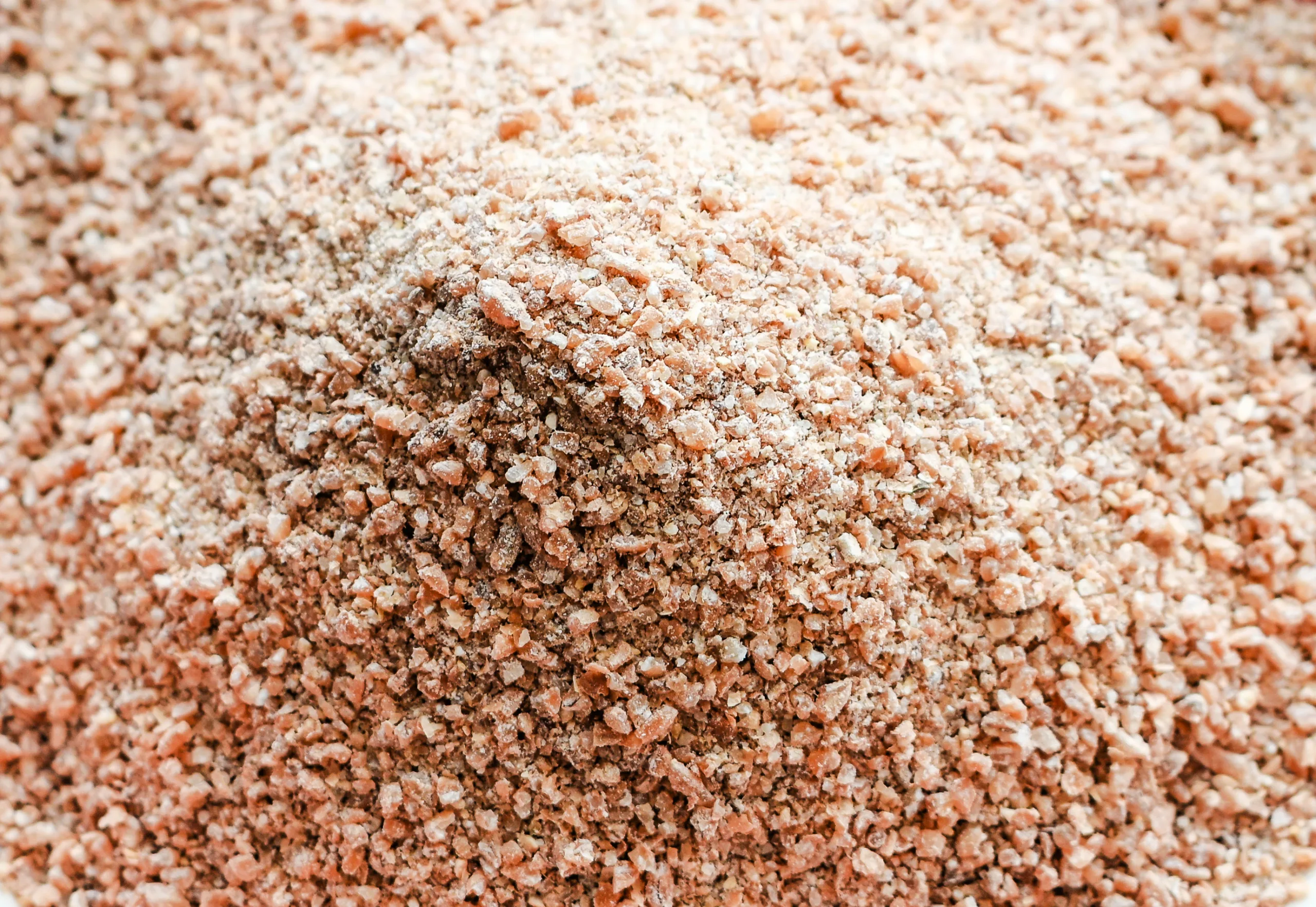
Why Freshly Milled Flour Makes a Difference
The biggest difference between freshly milled flour and store-bought flour is freshness. When you grind wheat berries at home, the flour still holds its natural oils, aroma, and full grain flavor. Dough made with fresh flour often feels more lively, the flavor is deeper, and the texture stays soft and tender.
Here are a few reasons home milling stands out:
- True flavor: You can taste the grain itself, warm, nutty, and full.
- Old-fashioned nutrition: Fresh flour keeps the natural oils and nutrients that commercial flour loses during refining.
- Better texture: Homemade bread often stays moist longer and develops a richer crumb.
- Simplicity: Just one ingredient, whole wheat berries, ground when you need it.
- Tradition: Milling flour is slow, meaningful work that connects you to old kitchen practices.
Try it in our Perfect Milled Wheat Sourdough Pie Crust Recipe for a flaky crust with classic whole grain flavor.
Choosing the Right Grain Mill
A grain mill is one of those tools that brings old-fashioned living into your daily kitchen work. Whether you choose an electric mill or a hand-crank one, a good mill lets you grind only what you need so your flour is always fresh.
When choosing a mill for home baking, look for:
- Adjustable settings so you can grind fine flour for bread or coarse grain for hot cereal
- Consistent, reliable performance
- A sturdy build that will hold up to years of use
Once you have a good mill, you can use it for everything from whole wheat sourdough to pancakes and muffins. Many of our favorite recipes, like Whole Wheat Donuts Made with Fresh Milled Flour, start with hard wheat berries, a classic choice full of flavor and strength for sourdough baking.
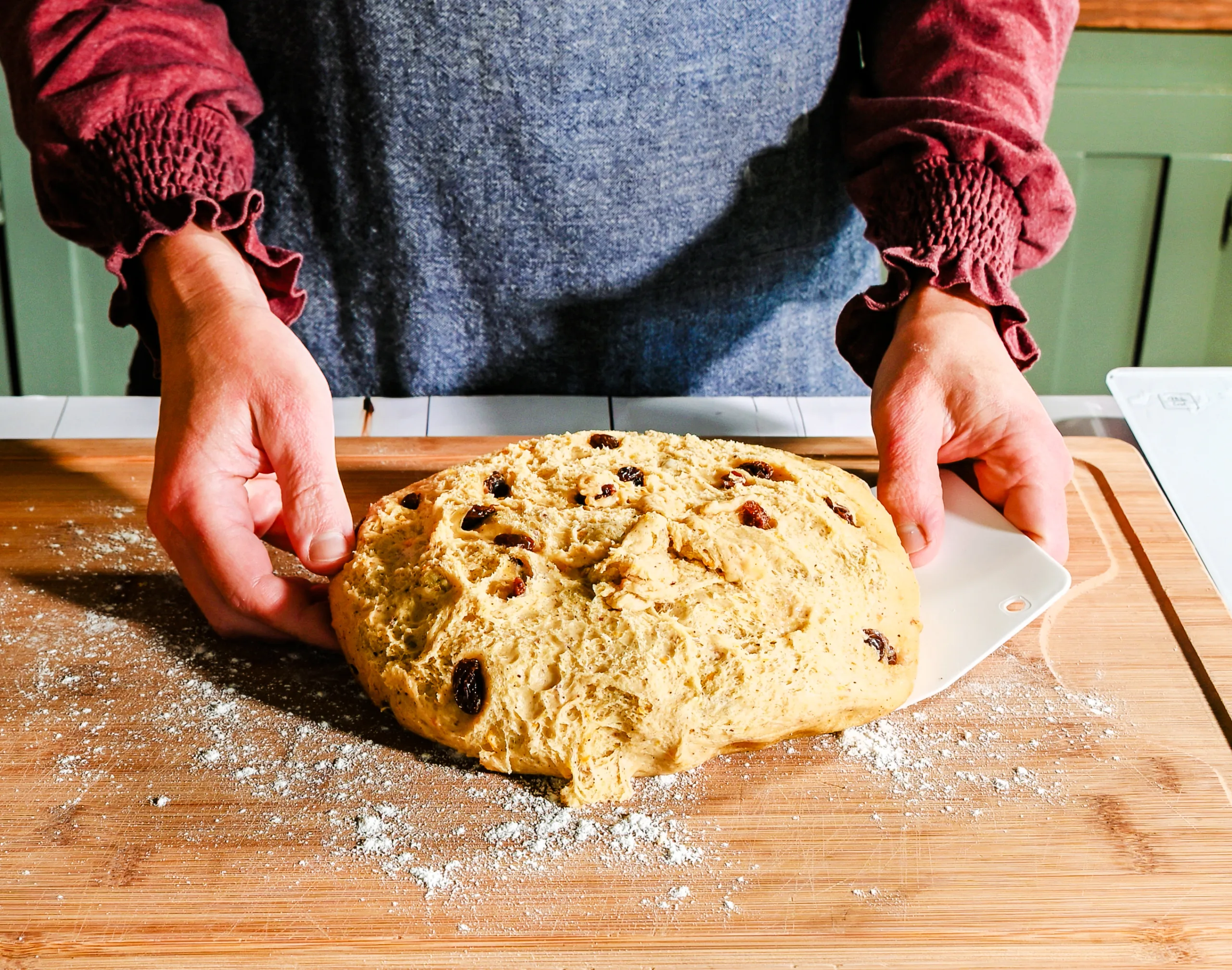
The Best Wheat Berries for Home Milling
If you’re new to milling your own flour, start with hard white wheat berries. They’re hearty, high in protein, and perfect for whole wheat sourdough bread. Hard white wheat berries are especially great if you prefer a milder flavor or want a softer crumb for rolls or pastries.
For the freshest grain, look for organic wheat berries from local farms, co-ops, or bulk suppliers. Store them in airtight containers in a cool, dry place, and you’ll always have fresh flour ready for baking whenever you need it.
If you want to take the next step, you can learn how to make a fresh milled wheat sourdough starter to pair with your home-milled flour.
Baking with Freshly Milled Flour
Baking with freshly milled flour feels different in the best way. The dough often has more aroma, the crumb feels richer, and the finished bread carries the full flavor of the grain. It’s bread the way it used to be made, with simple ingredients and slow, thoughtful preparation.
Here are a few helpful tips as you get started:
- Begin by swapping half the flour in your favorite recipes with freshly milled flour.
- Aim to grind only what you need when you need it as the nutritional benefits begin to diminish immediately.
- Add water gradually until the dough feels right for your recipe.
- Give the dough a little extra rest time. Fresh flour responds well to patience.
- Keep notes as you experiment. Each grain variety behaves in its own way.
Fresh milled flour isn’t just for bread. Use it for pancakes, muffins, or homemade pasta to bring that same wholesome flavor into everyday meals.

Bringing Back the Lost Art of Milling
Milling your own flour isn’t about chasing a new idea. It is about keeping a way of life alive. Good food hasn’t ever come from convenience. It comes from connection, patience, and the care you put into simple things.
When you freshly mill your own wheat flour, you’re not just baking. You’re carrying forward a tradition that once shaped everyday kitchens. You’re teaching your family that small, ordinary tasks can be meaningful and enough. That is the heart of Idie’s Farm, a place where old-fashioned living still has a home.
Browse more of our fresh milled recipes on Idie’s Farm and rediscover the joy of baking the way it was meant to be — slow, wholesome, and from the heart.
Frequently Asked Questions About Freshly Milled Flour
What is the difference between milled flour and store-bought flour?
Freshly milled flour is made by grinding whole wheat berries right before baking, so it keeps the natural oils and full grain flavor. Store-bought flour is processed for a longer shelf life, which removes much of the grain’s natural character and health benefits.
Can I use freshly milled flour in any recipe?
Yes. Fresh milled flour can be used in most baking recipes, from bread and sourdough to muffins and pancakes. You may need small adjustments to the hydration as you learn how the flour behaves in your kitchen.
What are the best wheat berries for bread?
Hard wheat berries are a classic choice for whole wheat bread and sourdough loaves. Soft wheat berries work well for lighter baked goods such as cakes and quick breads.
How long does freshly milled flour last?
For the fullest flavor and nutrition, use it within a few hours. It will last for a few days, but the nutritional benefits begin to diminish immediately. Aim to grind only what you need when you need it.
Is it cheaper to mill your own flour at home?
Over time, it can be. Once you have a grain mill, buying bulk wheat berries often costs less per pound than organic store-bought flour.
Do I need a special mill for sourdough baking?
No. Any good grain mill will work. Freshly milled flour naturally supports fermentation because it still contains the grain’s natural activity.
Freshly milling your own wheat flour is one of those simple habits that brings a little meaning back into everyday work. It slows the kitchen down, fills it with warm grain aroma, and reminds us of the way families cooked long before convenience foods took over. Whether you use that fresh flour for sourdough, muffins, or your daily bread, each grind feels like a small step toward the kind of home cooking that lasts. If you’d like to keep exploring, you can browse more of our fresh milled recipes and continue building your own old-fashioned kitchen, one wholesome bake at a time.