Monday, November 24, 2025

22 Winter Dinners for a Healthy Gut and Weight Loss

22 Winter Dinners for a Healthy Gut and Weight Loss


Winter is the perfect time to cozy up with hearty, nourishing meals that support your overall well-being. These recipes are designed to bring warmth and comfort while also promoting gut health and digestion. They feature ingredients like garlic, mushrooms, and beans, which are known for their beneficial effects on the digestive system. Each dish contains at least 6 grams of fiber and/or 15 grams of protein, and is under 575 calories per serving. This makes them ideal choices for those looking to maintain a healthy weight or simply enjoy satisfying, light meals during the colder months.

Creamy Spaghetti with Brussels Sprouts


This one-pan dish starts with pasta that simmers in broth, creating a rich, starchy base. It’s then coated in a creamy Asiago sauce with a hint of red pepper for a subtle kick. The addition of caramelized Brussels sprouts and shallots brings a sweet, earthy depth, while fresh basil adds a bright finish. It’s a simple yet flavorful meal that’s perfect for a busy weeknight when you’re craving something comforting.

White Bean Skillet
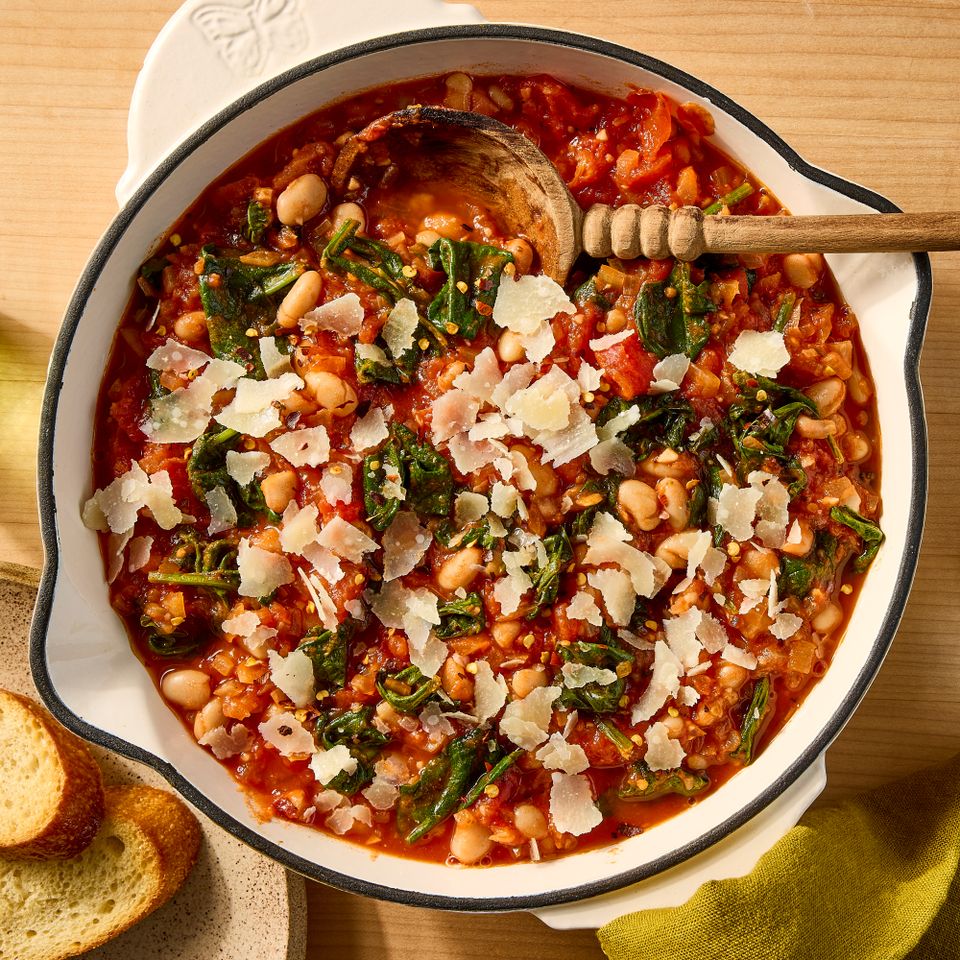

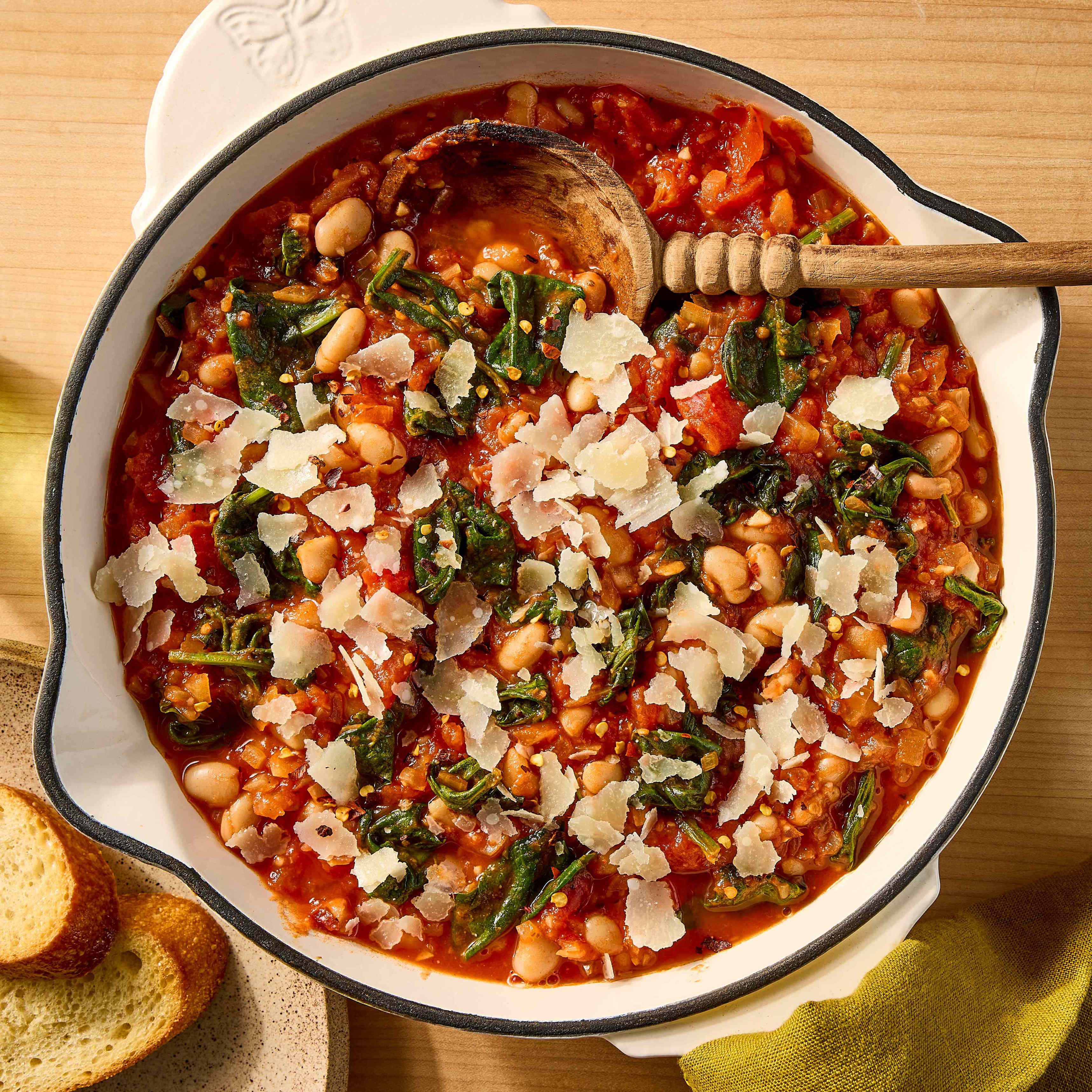
A savory blend of sweet onions, tomatoes, and garlic forms the foundation of this dish. Creamy white beans are added for a hearty texture, and a handful of spinach brings freshness and color. A sprinkle of Parmesan cheese ties everything together with a salty richness. Served with toasted whole-wheat baguette slices for dipping, it’s a quick and satisfying dinner that’s great for both weeknights and weekend suppers.

Lemon-Turmeric Cabbage & White Bean Soup


This soup combines tender cabbage and creamy cannellini beans with aromatic spices like turmeric and lemon. The tangy brightness of lemon juice lifts every spoonful, making it a light but deeply satisfying dish. It’s an easy recipe that’s perfect for a cozy weeknight meal.

Chickpea Casserole with Spinach & Feta


This casserole blends tender spinach, chickpeas, and brown rice with a touch of cream cheese and tangy feta. Fresh dill, nutmeg, and lemon juice add layers of flavor, while a hint of red pepper introduces gentle heat. Baked until bubbly and topped with lemon zest, it’s a comforting and vibrant dish that’s sure to please.

Marry Me White Bean Soup


Inspired by the flavors of Marry Me Chicken, this vegetarian soup features sun-dried tomatoes, garlic, cream, and Parmesan. It’s finished with fresh basil and extra cheese, creating a rich, soul-warming dish that’s crowd-pleasing and perfect for gatherings.

Broccoli-Cheddar Butter Beans


This dish offers the creamy, cheesy goodness of broccoli-Cheddar soup in a convenient skillet form. Tender butter beans provide a creamy texture and plant-based protein, while broccoli florets add color. Sharp Cheddar cheese melts in for that classic flavor, making it a filling main course.

Butternut Squash & Black Bean Enchilada Skillet


Tender cubes of butternut squash and hearty black beans simmer in green enchilada sauce, with tortilla strips stirred in for added texture. A layer of melted cheese ties everything together, creating a satisfying, vegetarian-friendly dish that’s easy to prepare.

Creamy Chickpea Soup


This quick and easy soup comes together in just 20 minutes. Cream cheese adds a velvety texture, while cilantro and crunchy tortilla strips provide a refreshing contrast. It’s a one-pot meal that’s perfect for busy weeknights and can be enjoyed by the whole family.

Spanakopita-Inspired Skillet Beans


These skillet beans draw inspiration from spanakopita, the Greek spinach pie. Cannellini beans add protein and fiber, while fresh dill, parsley, and a squeeze of lemon provide a bright, herbaceous finish. It’s a creamy, comforting dish that’s great for any season.

High-Fiber Vegetable Stew


This vegetable stew is a cozy dish for two, made with late-summer and early-fall produce. Simmered with warm spices and a savory broth, it’s delicious served with warm naan on the side for dipping. It’s a perfect way to celebrate seasonal flavors.

High-Protein Chicken & Sweet Potato Enchilada Skillet


This one-pan meal is ideal for busy weeknights. Tender chunks of sweet potato and shredded chicken combine with store-bought enchilada sauce for a flavorful shortcut. It’s a hearty, satisfying dish that’s easy to make and packed with nutrients.

High-Protein Spaghetti Squash Caprese


This fun twist on the classic Italian salad combines traditional caprese ingredients with roasted spaghetti squash. The squash is tossed with juicy plum tomatoes, creamy mozzarella, fragrant fresh basil, and great northern beans for a boost of plant-based protein. A drizzle of balsamic glaze ties the dish together with a sweet-tangy finish.

Chicken Guacamole Bowls


Juicy chicken thighs and colorful veggies are served over a fresh and creamy guacamole with a sprinkle of tangy cotija cheese. A squeeze of lime at the end brightens up the dish and ties all the bold, fresh flavors together.

Marry Me White Bean Salad
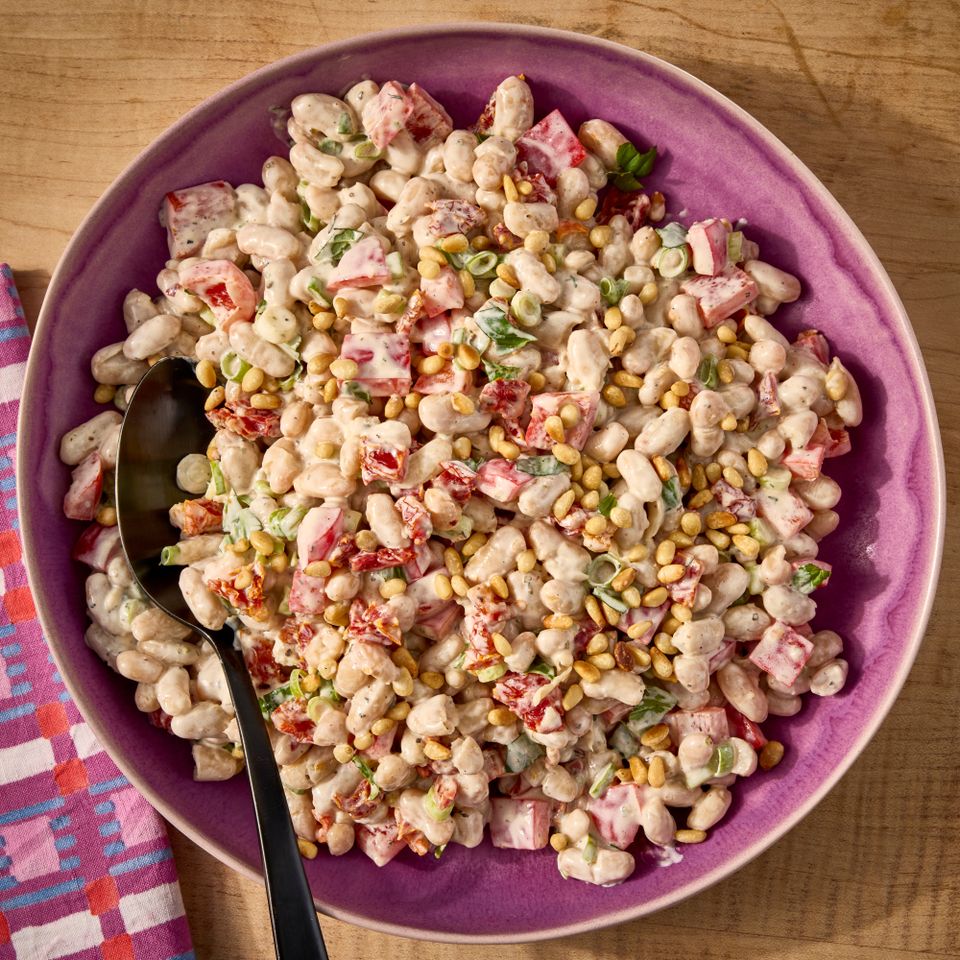

This salad is a bright, flavor-packed dish that’s hard not to fall for. Inspired by Marry Me Chicken, the tender white beans are tossed with sun-dried tomatoes, fresh basil, and a creamy dressing that soaks into every bite. It’s quick to throw together and perfect for meal prep, picnics, or pairing with grilled meats.

Sheet-Pan Salmon and Shaved Brussels Sprouts with Lemon-Garlic Drizzle


Heart-healthy salmon is nestled among shaved Brussels sprouts, both of which soak up amazing flavor from the double drizzle of lemon-garlic sauce. It’s a simple yet elegant dish that’s perfect for a weeknight dinner.

5-Ingredient Taco Stuffed Peppers


These five-ingredient stuffed peppers are a simple, satisfying twist on taco night with all the flavors you love. Sweet bell peppers act as the perfect vessel for a filling of lean ground beef, black beans, salsa, and melty cheese. Serve them with a dollop of sour cream, sliced avocado, and/or fresh cilantro for a little extra flair.

Spaghetti with Mushrooms, Spinach & Ricotta
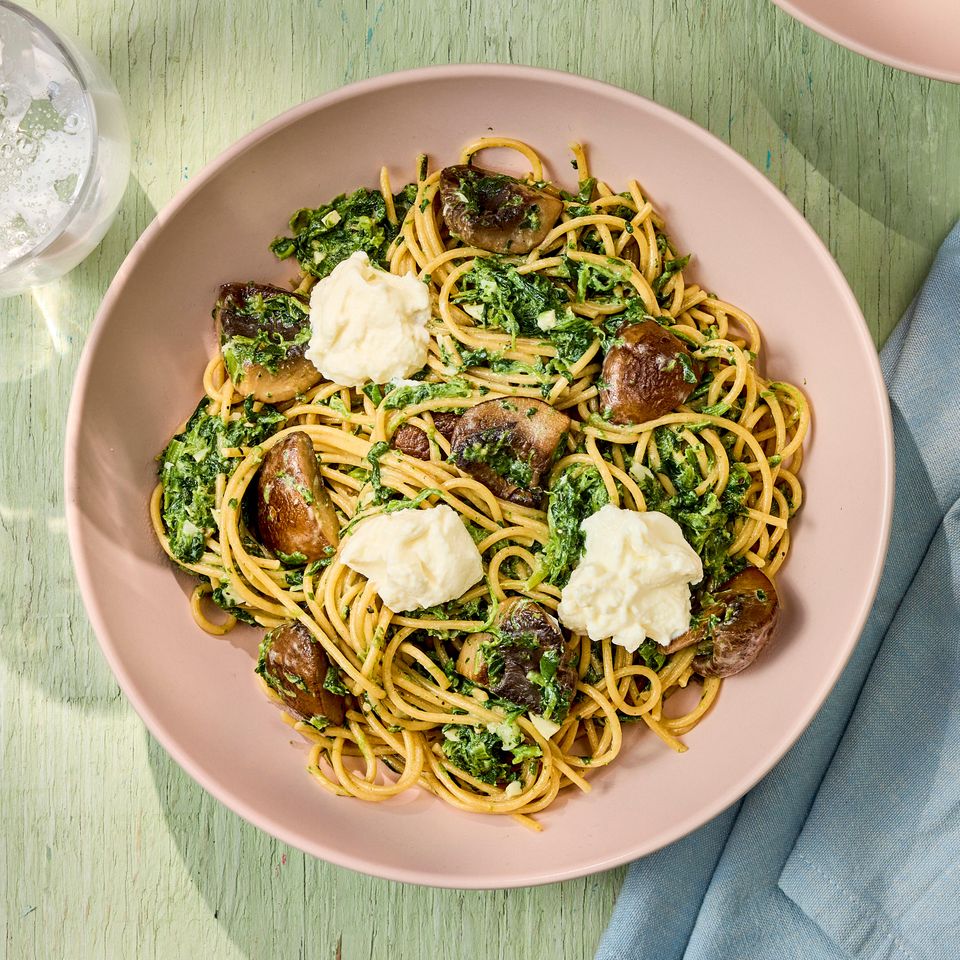

Earthy mushrooms, spinach, and garlic flavor the pasta alongside whole-milk ricotta that creates a creamy sauce. You can elevate the flavor even more by using wild mushrooms for a deeper savory flavor and finishing with a squeeze of lemon to brighten everything up.

Roasted Veggies with Halloumi & Chickpeas


This sheet-pan recipe is perfect for a weeknight dinner with easy cleanup. Chickpeas and halloumi provide protein to make this dish filling and satisfying. Roasting everything on the same sheet pan creates crispy, caramelized bites that meld beautifully with the creamy yogurt spread underneath.

Sheet-Pan Chicken Thighs with Red Cabbage & Sweet Potatoes


The beauty of this dish lies in its simplicity—everything cooks together on one sheet pan, making cleanup a breeze. As the ingredients roast together, the chicken juices meld with the vegetables, creating a savory dinner.

Spinach & Artichoke–Stuffed Butternut Squash


Tender roasted butternut squash halves are filled with a cheesy spinach-and-artichoke mixture. A sprinkle of crushed red pepper adds heat, and a drizzle of balsamic glaze adds a tangy-sweet flavor contrast that ties it all together.

Saag Aloo Matar
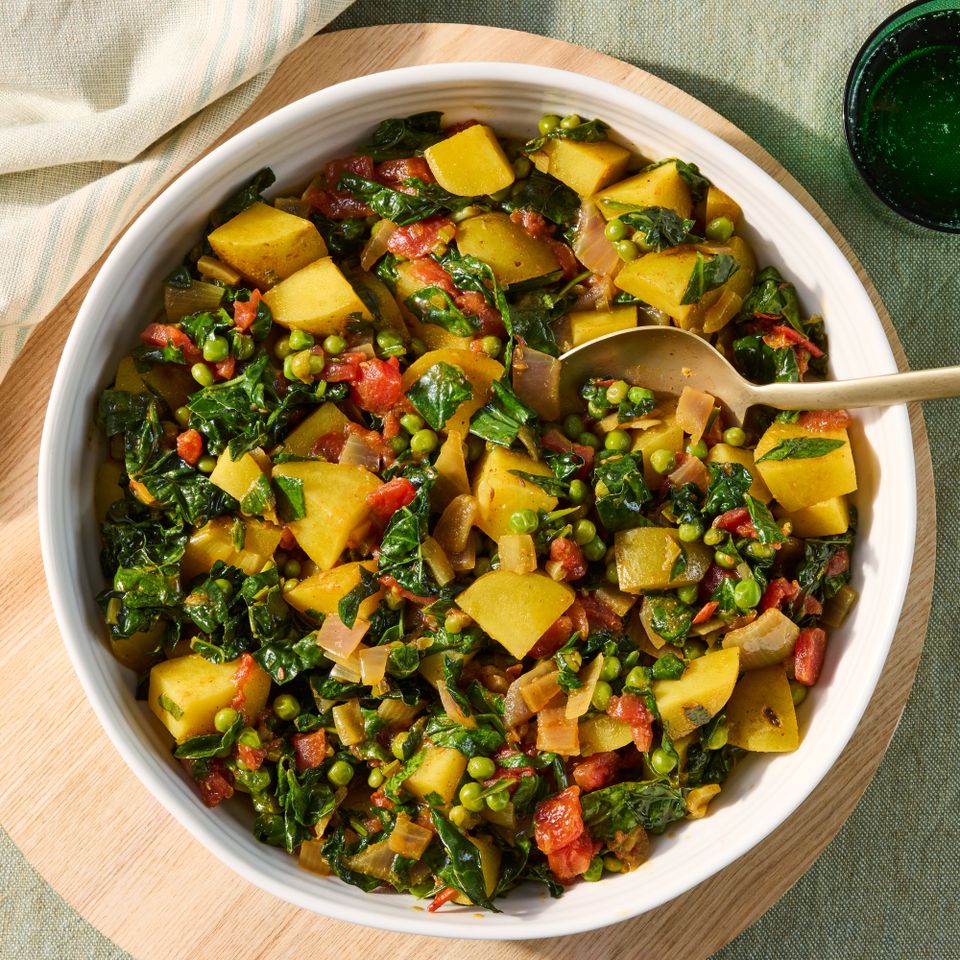

This cozy one-skillet dinner draws inspiration from two Indian dishes: saag aloo and aloo matar. It’s packed with plenty of vegetables, including leafy greens, potatoes, and peas, all simmered in an aromatic tomato-based sauce.

Fajita-Stuffed Mushrooms
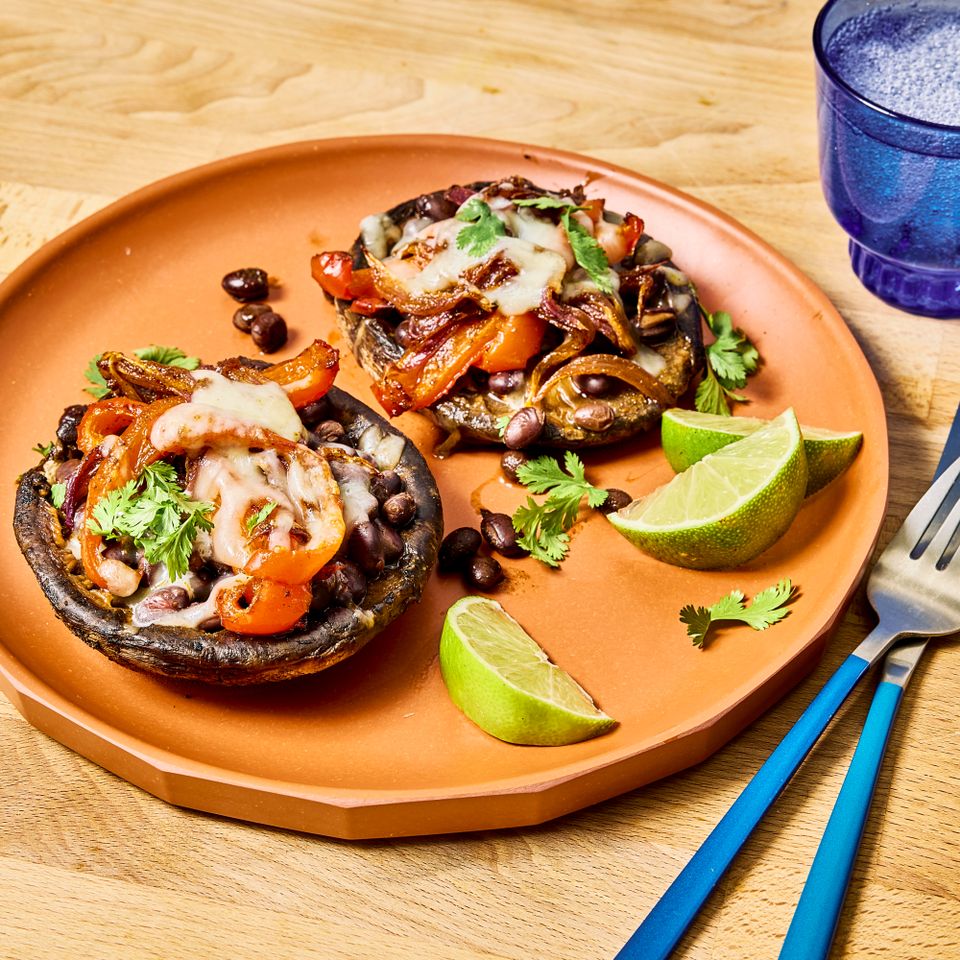

This flavorful vegetarian dish fills roasted portobello mushroom caps with fajita-style veggies and black beans, giving them a boost of fiber and protein. Top it off with melted cheese and strained (Greek-style) yogurt for a satisfying dinner.


Wednesday, November 5, 2025

15 Post-Meal Movement Consequences

15 Post-Meal Movement Consequences

Ever finished a meal and felt the urge to stretch your legs? While the old advice was to sit still after eating, recent research suggests that light movement – like a short walk – could actually support digestion and blood sugar regulation. A 2022 meta-analysis published in Sports Medicine found that just two to five minutes of walking after a meal helped lower blood sugar levels compared to sitting.

It’s a small habit that might have a bigger impact than you’d expect. Let’s take a look at what can happen when you get moving right after eating.

Disclaimer: This article is for general information and isn’t medical advice. Light movement after meals may help some people, but responses vary. If you feel unwell, stop and rest. For guidance tailored to you, consult a healthcare professional.

1. Nausea Makes An Unwelcome Appearance

That queasy, might-need-to-sit-down feeling often follows vigorous post-meal movement. Your body doesn’t appreciate trying to digest while doing jumping jacks! The combination of a full stomach and motion can trigger your brain’s nausea center.

This reaction is similar to motion sickness – your body gets confused by competing signals. The more intense your movement and the heavier your meal, the more likely you’ll experience this unwanted side effect.

2. Acid Reflux Rears Its Fiery Head

That burning sensation creeping up your throat has a scientific explanation. When you bounce around after eating, stomach acid can splash up into your esophagus, creating that distinctive burning pain.

Certain movements make this worse – anything involving bending, jumping, or lying down. The pressure from physical activity combines with a full stomach to push acid where it doesn’t belong. Spicy or fatty foods make this reaction even more likely.

3. Gentle Walking Speeds Digestion

Not all movement spells disaster! A relaxed after-dinner stroll actually helps food move through your system more efficiently. Walking gently stimulates the muscles in your digestive tract, helping them process your meal faster.

A 15-minute easy walk can significantly speed up the rate at which food leaves your stomach. This gentle movement works with your body’s natural processes instead of fighting against them, unlike high-intensity exercise.

4. Stomach Discomfort Kicks In

That uncomfortable feeling isn’t just in your head. Vigorous movement jostles your full stomach, creating a perfect storm for discomfort. Food and digestive juices slosh around, potentially pushing against your diaphragm.

Many runners call this sensation “runner’s stomach” for good reason. The physical impact of movement can trigger cramping, stitches in your side, or that heavy feeling like your meal is bouncing up and down with each step.

5. Blood Sugar Levels Stabilize

Your after-meal cookie might spike your blood sugar, but a quick walk can help bring those levels back down. Light physical activity helps your muscles use glucose more effectively without stressing your digestive system.

Even 10 minutes of walking after eating can lower blood sugar levels by up to 22% compared to sitting still. This effect is especially beneficial for people with diabetes or insulin resistance, making movement a powerful tool for blood sugar management.

6. Hiccups Surprise You

Those unexpected hiccups after eating and moving have a scientific explanation. Movement can change the pressure in your diaphragm while your stomach expands from food, creating the perfect conditions for hiccup spasms.

Your diaphragm, caught between your expanding stomach and physical activity, gets irritated. The resulting spasm causes your vocal cords to snap shut, creating that distinctive “hic” sound. Carbonated drinks or eating too quickly make you even more susceptible to this annoying phenomenon.

7. Energy Levels Temporarily Drop

Feel suddenly sleepy after moving post-meal? Your body’s diverting resources to handle competing demands. Digestion already requires energy, and adding movement creates a resource competition inside your body.

This energy redistribution can trigger temporary fatigue as your body works overtime. Your digestive system needs blood flow and energy to process food, while your muscles demand the same resources for movement. The result? That surprising wave of tiredness that makes you want to take a nap.

8. Bloating Becomes More Noticeable

That uncomfortable swollen feeling gets amplified when you move around after eating. Physical activity can increase gas production in your digestive system while simultaneously moving existing gas around your intestines.

This gas redistribution creates pressure in different areas of your abdomen, making bloating more apparent. Certain foods make this worse – beans, cabbage, and carbonated drinks are notorious culprits. The combination of these gas-producing foods and movement can leave you feeling uncomfortably puffy.

9. Burping Becomes More Frequent

Those unexpected burps have a simple explanation. Movement physically jostles the air in your stomach, creating pressure that needs to escape. Each step or bounce pushes air upward toward your esophagus.

Your body’s natural response is to release this pressure through burping. If you’ve swallowed extra air while eating quickly or consumed carbonated beverages, you’re even more likely to experience this effect. The combination of a gas-filled stomach and physical movement creates the perfect burping storm.

10. Heartbeat Becomes More Noticeable

Feel your heart pounding more than usual? Your cardiovascular system is working overtime to handle dual demands. Digestion already increases blood flow to your stomach, and exercise diverts it to your muscles.

This competing circulatory demand makes your heart work harder than it would with either activity alone. You might notice your pulse more, especially after a heavy meal followed by movement. Your heart rate might increase by 10-15 beats per minute more than it would during the same exercise on an empty stomach.

11. Dizziness Might Make An Appearance

When you eat, blood flow increases to your digestive system. When you suddenly start moving, your body must quickly redistribute that blood to your muscles and brain.

This rapid circulatory adjustment can temporarily leave your brain with slightly less blood flow than it needs. The result? A brief wave of dizziness or lightheadedness. Standing up quickly after eating makes this effect even more pronounced, especially in people with low blood pressure.

12. Sweating Increases Unexpectedly

Breaking into a sweat after eating and moving isn’t just from physical exertion. Your body actually generates heat during digestion – a process called thermogenesis. Adding movement creates a double heating effect.

This combined heat production can trigger your body’s cooling system: sweat. Spicy foods amplify this reaction even further by activating heat receptors. The scientific term for food-induced sweating is “gustatory hyperhidrosis,” and movement makes it more noticeable.

13. Headaches Can Develop

That unexpected pounding in your temples has several potential causes. When you exercise after eating, blood sugar fluctuations occur as your muscles and digestive system compete for resources.

These rapid changes in blood sugar can trigger headaches in sensitive individuals. Dehydration makes this worse, as both digestion and exercise require water. If you’re prone to migraines, the combination of eating certain trigger foods and then exercising can create the perfect storm for head pain.

14. Digestion Slows During Intense Exercise

Sprinting after sandwiches creates a physiological traffic jam. During high-intensity movement, your body dramatically reduces blood flow to your digestive system, sometimes by up to 80%.

This reduced circulation essentially puts digestion on hold. Your body prioritizes survival functions (powering muscles for movement) over digestive processes. Food sits partially processed in your stomach, which explains that heavy, uncomfortable feeling during intense post-meal workouts.

15. Food Moves Through Your System Faster

Light movement accelerates your digestive timeline in a good way. Walking gently stimulates peristalsis – the wave-like muscle contractions that move food through your digestive tract.

A post-meal stroll can reduce the time food spends in your stomach by up to 30 minutes. This faster transit helps prevent that overly full feeling and can reduce heartburn risk. Your body processes the meal more efficiently, moving it along its digestive journey at an optimal pace.

Melatonin and Heart Failure: What Sleep Experts Advise Now

Melatonin and Heart Failure: What Sleep Experts Advise Now

Understanding the Link Between Melatonin and Heart Failure

Recent research has sparked concern over the potential link between long-term melatonin use and heart failure. While the findings are significant, they do not necessarily mean that taking melatonin will directly lead to heart issues. Instead, they highlight the need for further investigation into the relationship between this popular sleep supplement and cardiovascular health.

Melatonin is a hormone naturally produced by the brain in response to darkness, helping regulate the body's internal clock and promoting sleep. It is also available as a supplement, often used to address insomnia or adjust sleep schedules. Over the past few years, its use has surged in the U.S., with studies showing a fivefold increase in usage between 1999 and 2018.

What Did the Study Find?

A study conducted on nearly 131,000 adults with insomnia found that those who took melatonin for at least 12 months had about a 90% higher risk of developing heart failure over five years compared to those who didn’t take the supplement. The overall numbers were still relatively low, with 4.6% of melatonin users developing heart failure versus 2.7% of non-users. Additionally, individuals with two or more prescriptions filled at least 90 days apart had an 82% higher risk of heart failure.

The study also revealed that people taking melatonin were nearly 3.5 times more likely to be hospitalized for heart failure and almost twice as likely to die from any cause during the five-year period.

Why Is This Confusing?

Despite these findings, experts caution against jumping to conclusions. Dr. Ekenedilichukwu Nnadi, the study’s lead author, emphasized that the research only shows an association, not causation. “We can’t say for sure whether melatonin itself is causing harm,” he said.

Dr. Christopher Winter, a sleep specialist, pointed out that people who use melatonin—such as shift workers or international travelers—are already at a higher risk for heart issues. Poor sleep quality, which often leads to melatonin use, is also linked to an increased risk of cardiovascular disease. “Taking melatonin could be a marker for people with worse sleep quality and more disturbances,” he explained.

Dr. Cheng-Han Chen added that conditions like sleep apnea, which often mimic insomnia, are major cardiovascular risk factors. Meanwhile, some studies have shown that melatonin may even have a positive effect on heart failure patients, adding to the confusion.

What Should You Do?

While more research is needed, doctors recommend reevaluating regular melatonin use. The American Academy of Sleep Medicine (AASM) states there isn’t enough evidence to support its use for chronic insomnia. Instead, it suggests using melatonin for short-term issues like jet lag or shift work.

Dr. Nnadi advises using the lowest effective dose for the shortest time possible and under medical guidance. An effective dose can be as low as 0.5 milligrams, though many supplements come in 5 or 10 milligram doses.

If you’re struggling with sleep regularly, improving sleep habits is often the most effective approach. This includes maintaining a consistent sleep schedule, avoiding screens before bed, limiting caffeine and alcohol, and creating a calming bedtime routine. Cognitive behavioral therapy for insomnia is also highly effective and often better than medication in the long run.

Final Thoughts

If you’ve tried these strategies and still struggle with sleep, it’s important to consult a healthcare provider. There may be an underlying issue contributing to your sleep problems, and proper diagnosis is key to finding the right solution.

In the meantime, consider the broader implications of your sleep patterns and lifestyle choices. Addressing the root causes of poor sleep may be more beneficial than relying solely on supplements like melatonin.

Monday, November 3, 2025

An Apple a Day Keeps the Doctor Away: Expert Tips to Maximize Its Benefits

An Apple a Day Keeps the Doctor Away: Expert Tips to Maximize Its Benefits

The Power of Apples: A Nutritional Superstar

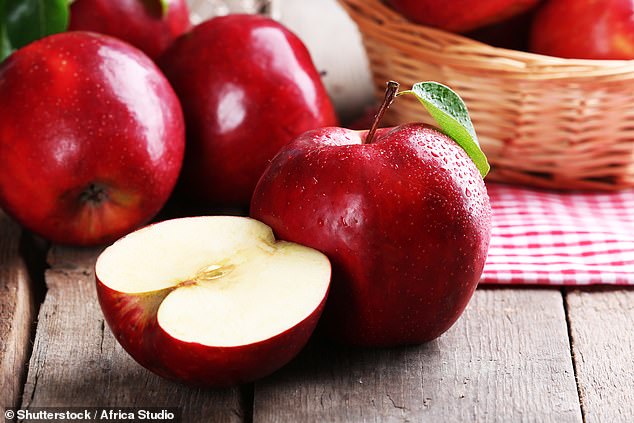
Apples, a humble fruit that has been enjoyed for centuries, are more than just a tasty snack. They offer a wide range of health benefits, from supporting heart health to boosting brain function. With their affordability and availability, especially during apple season, it's no wonder they have become a staple in many diets.

Promotes Gut Health

Apples are an excellent fruit for supporting gut health. A single apple contains around 1.8g of fibre, which contributes to the daily recommended intake of 30g. However, only four percent of UK adults meet this target. Apples are a great source of both soluble and insoluble dietary fibre, promoting regular bowel movements while supporting the growth of healthy gut microbes.

They also contain pectin, a type of soluble fibre mostly found in the peel. Pectin has prebiotic properties, acting as a food source for good gut bacteria, helping them flourish and grow. When these gut microbes feast on pectin, they produce short-chain fatty acids, which support the health of the cells lining the gut while reducing inflammation.

Each apple contains a whopping 100 million microbes, contributing to a healthy gut.

Slashes Diabetes Risk

After eating, blood sugar levels naturally rise. Some foods can cause spikes, leading to fatigue and brain fog. Insulin helps lower blood sugar by instructing cells to absorb glucose from the bloodstream. Apples have a similar effect.

Pectin forms a gel in the gut, slowing down how quickly sugar is released into the bloodstream. Apples also contain plant compounds called polyphenols, which may improve how the body uses insulin. Large population studies show that people who eat apples regularly are less likely to develop type 2 diabetes.

Supports Heart Health

While most fruits are beneficial for heart health, apples may have an edge. Research shows that those who eat the most apples have a lower risk of stroke, heart disease, and harmful inflammation compared to those with the lowest intake. This could be due to apples' rich concentration of pectin, which may reduce cholesterol absorption from the gut into the bloodstream.

The European Food Safety Authority advises that around 6g of pectin a day can help lower blood cholesterol levels. Other research suggests that polyphenols in apples offer protective effects by blocking signals that can trigger the narrowing of arteries, increasing the risk of cardiovascular events.

Promotes Weight Loss

There has been much discussion online about whether apples really are nature’s Ozempic, after a nutritionist made the claim in a viral TikTok. Experts believe there is some truth behind the phenomenon.

Dr. Katerina Petropoulou, an expert in metabolism and digestion at Imperial College London, explained that consuming foods high in soluble fibre, particularly pectin, found in apples, can mimic the effect of Ozempic by ensuring a steady release of gut hormones.

At around 70 calories each, apples can help with weight management if enjoyed instead of ultraprocessed snacks. These snacks can send blood sugar levels skyrocketing without signaling to the brain that we are full, resulting in overeating.

Slashes Cancer Risk

Eating apples may help prevent cancer, according to studies. Research suggests that polyphenols found in apples can help prevent cancerous cells from multiplying. Another study found that people who eat an apple a day were up to a third less likely to develop breast, lung, or mouth cancer.

Apples are also rich in vitamin C, which supports the immune system and fights cancer cell growth.

Boosts Brain Health

Apples can also support brain health and memory due to their rich quercetin count—a powerful flavonoid with antioxidant and anti-inflammatory effects that might help lower the risk of cognitive decline.

A review of 14 studies found that quercetin may even have some preventive properties against Alzheimer’s, though more research is needed. Polyphenols have also been shown to boost short-term memory by increasing the width of blood vessels in the brain, allowing more nutrients to reach the organ.

Pink Lady or Granny Smith?

While all apples offer numerous health benefits, some are more nutrient-dense than others. Granny Smith apples contain around 15.4g of sugar, while Pink Lady varieties have slightly more at 15.7g. Braeburns sit somewhere in between at 15.6g per apple.

All apples contain an abundance of health-boosting phytonutrients, which are plant chemicals that exert antioxidant benefits. For example, the red pigment in Braeburn apples is due to phytochemicals called anthocyanins.

However, while some apples may be slightly more sugary than others, variety is key. The more variety of apples we consume, the more health-promoting phytochemicals we will receive. Our gut microbes feast on these phytochemicals, and a diverse intake leads to a more diverse array of gut microbes, which is thought to be healthier, more robust, and more resilient to disease.

Organic or Not?

While organic apples come with fewer pesticide residues, cost and availability also play a role in our choices. Pesticide residues in food have been linked to heart problems, neurodevelopmental disorders, and several types of cancer. However, washing non-organic apples thoroughly can help minimize the risk of ingesting harmful pesticides and deliver a more wallet-friendly nutrient boost.

How to Add Apples to Your Diet

According to both nutritionists, the best way to eat apples is raw, whole, and unpeeled, given the vast majority of its fibre and antioxidant content is concentrated in the skin. Pairing apples with protein or fat, such as stewed apple with a spoonful of yoghurt or nut butter, will slow digestion even further, keeping energy levels steady.

Dipping apple slices in nut or seed butter, such as almond or pumpkin seed butter, provides protein and healthy fats. This combination helps to stabilise blood sugar levels while enhancing the absorption of fat-soluble nutrients. The crunchy texture of raw apples requires more chewing, which slows down our eating pace and can help promote feelings of fullness.

Stewed apple still provides fibre and may be easier on older people's digestion, but it's best to leave it unsweetened to keep blood sugar spikes at bay. Apples are also rich in vitamin C, which helps the body absorb non-haem iron from plant foods, so adding slices to a spinach salad with lentils or chickpeas will enhance iron uptake.

Thursday, October 2, 2025

The Surprising Health Benefits of Cornstarch

The Surprising Health Benefits of Cornstarch

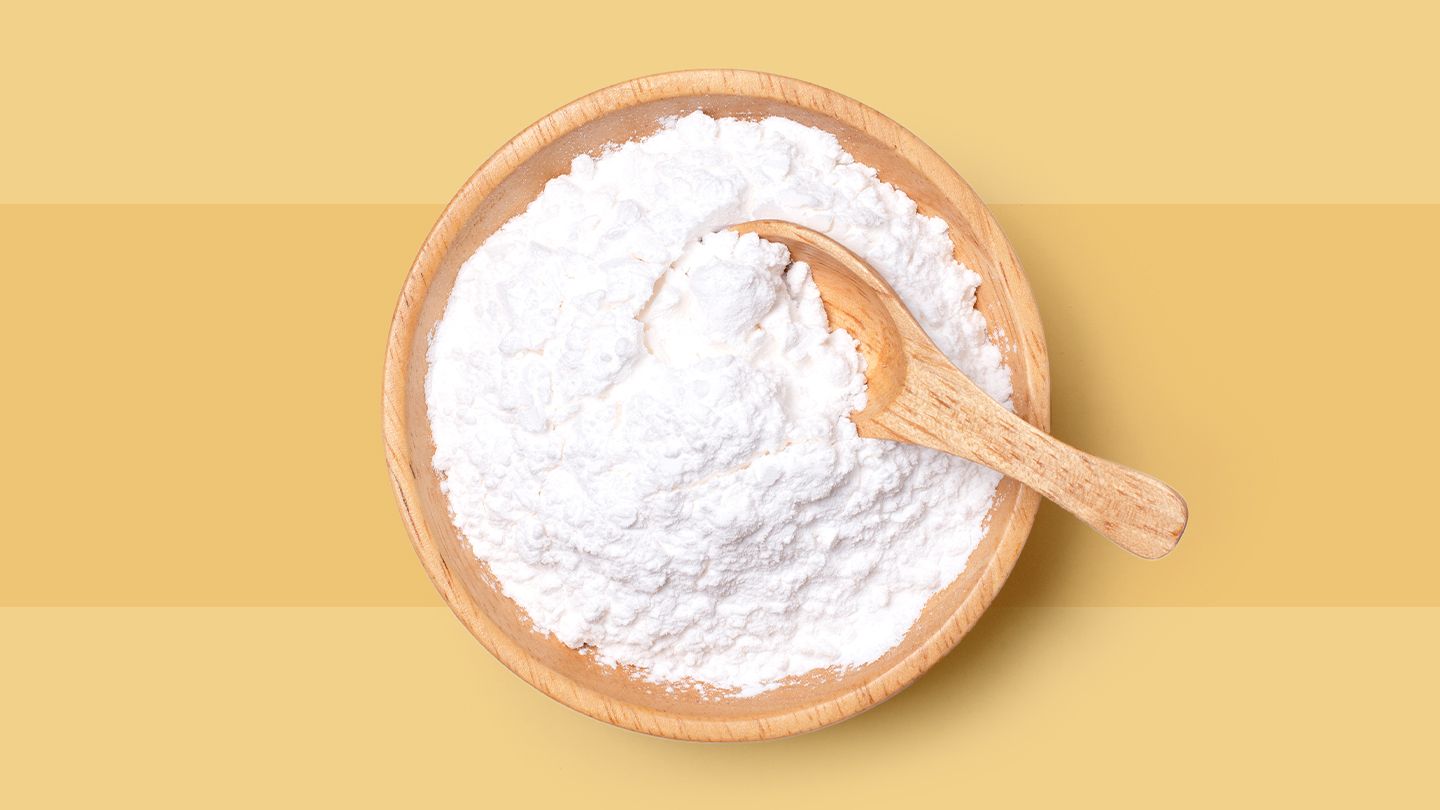
Cornstarch is a versatile ingredient that many people likely have in their pantry. It's commonly used to thicken soups, pie fillings, and other dishes, and it can help create a crisp crust when used in the batter for fried foods. While cornstarch enhances the flavor and texture of food, it is naturally gluten-free and can provide a quick source of glucose and calories for athletes, its overall health benefits are limited.

Below, you'll find more information about cornstarch, including potential benefits and drawbacks of this popular food additive.

What Is Cornstarch?

Starch is the most abundant carbohydrate in the human diet, according to research, accounting for over 50 percent of daily carbohydrate consumption and 70 to 80 percent of all calories consumed by humans worldwide, as noted in a review published in Foods. It is found naturally in plant cell walls and is particularly abundant in tubers like cassava and potatoes, as well as grains such as wheat, oats, barley, rice, and corn, according to the American Diabetes Association.

According to The Nutrition Source, each corn kernel has three main parts: the germ, bran, and endosperm. The bran is the hard outer shell, which is high in fiber. The germ is the lower part of the kernel, which can sprout into a new plant and is rich in fats. Most of the starch in corn is found in the endosperm, which makes up the interior layer of the kernel, according to Purdue University.

To make cornstarch, also known as maize starch, farmers first separate the bran, germ, and endosperm of corn kernels. Then, the starch from the endosperm is extracted through a process called wet milling, as described in a review article published in Food Technology & Biotechnology. Finally, the cornstarch is dried and packaged, making it a highly processed food.

In addition to being a common food additive, cornstarch has various commercial uses, according to the Corn Refiners Association. It can be found in products like batteries, baby powder, bioplastics, matches, and cosmetics. When mixed with water, cornstarch forms a non-Newtonian fluid called Oobleck, which behaves like a liquid when stirred but acts like a solid when force is applied, according to the Cornell Chronicle.

Health Benefits of Cornstarch

Most of the nutrition in corn is found in the bran and germ of the kernels. However, because cornstarch does not contain the germ and bran, it is nearly flavorless and lacks significant nutritional value.

One cup of commercial cornstarch contains 488 calories, according to the U.S. Department of Agriculture (USDA), but it has little to no fiber, protein, fat, or vitamins. This means its health benefits are minimal. It may help individuals who are underweight gain weight quickly, but it doesn't add much nutritional value to overall caloric intake.

According to the USDA, cornstarch is rich in carbohydrates, with about 117 grams per cup, which your body can use as quick fuel. However, without the protein, fat, or fiber to complement it, you're likely to burn through this energy more quickly than with whole grains.

One potential benefit is that cornstarch is naturally gluten-free, making it a possible substitute for wheat flour for people with celiac disease or gluten intolerance. However, oat flour is also gluten-free and offers more nutritional value. One cup of oat flour contains approximately 420 calories, 15.3 grams of protein, 9.48 grams of fat, and 6.76 grams of fiber, according to the USDA. It also contains more potassium, phosphorus, and magnesium than cornstarch.

Health Risks of Eating Cornstarch

Without sufficient amounts of fiber, protein, or fat to slow down the conversion of carbohydrates to blood glucose, consuming large amounts of cornstarch could cause a spike in blood sugar levels, according to the American Diabetes Association. Studies suggest that eating too much starch is associated with an increased risk of type 2 diabetes, while consuming fiber reduces that risk, as noted in a systematic review published in the World Journal of Diabetes.

Eating the whole unprocessed corn kernel, with the bran and germ intact, is likely more nutritious than eating its processed derivative, cornstarch. When eating whole corn, you still consume the starch inside the kernels, which your body needs for fuel, but you also get fiber, protein, vitamins, and minerals that help slow down the absorption of glucose and reduce the risk of vitamin deficiencies.

For example, according to the USDA, one medium ear of white corn contains:

  • 77.4 calories
  • 1.06 g of fat
  • 17.1 g of carbs
  • 2.9 g of protein
  • 2.43 g of fiber
  • 2.9 g of sugar
  • 243 mg of potassium
  • 80.1 mg of phosphorus

Benefits of Modified Cornstarch

There are three different ways to consume the starch in corn: as commercial cornstarch used for cooking and devoid of most nutrition; as cornstarch still inside the kernel and surrounded by the bran and germ of the corn; and as modified cornstarch. According to Beyond Celiac, modified cornstarch is altered chemically, physically, or enzymatically to improve certain properties, such as digestibility.

One type of modified cornstarch, high-amylose cornstarch, has been shown to have positive effects on health, according to a study published in the International Journal of Molecular Sciences. Research has also found that consuming high-amylose starch is associated with regulated blood sugar levels and insulin response.

Cornstarch is composed of two polymers: amylose and amylopectin, a major component of starch, according to the book Corn: Chemistry and Technology. In naturally produced cornstarch, amylopectin, which has a smaller molecular profile, is more abundant than amylose. In high-amylose cornstarch, this ratio is modified, and the concentration of amylose is increased to 40 to 70 percent.

Because amylose has a larger molecular profile than amylopectin, high-amylose cornstarch is more difficult to digest, according to an article published in the Journal of Functional Foods, making it more beneficial for gut health, blood sugar regulation, and overall well-being than unmodified commercial cornstarch. If you have type 2 diabetes and are looking to regulate your blood glucose, consult your doctor about whether high-amylose cornstarch is a suitable addition to your diet.

Topical Applications of Cornstarch

Cornstarch can also be used on the skin for certain medical conditions. For instance, applying talcum powder or cornstarch to your feet after washing them can help prevent foot infections if you have diabetes, according to the National Institute of Diabetes and Digestive and Kidney Diseases. Cornstarch can also help keep moist areas of the body dry.

The National Cancer Institute also suggests applying cornstarch to the skin as a way to relieve pruritus (itchiness) caused by certain medical conditions affecting the liver, kidneys, thyroid, and blood, as well as cancer. These medical uses of cornstarch are another reason to keep this ingredient in your home.

Tuesday, September 2, 2025

If You're Struggling With Stubborn Foot Fungus, Dermatologists Recommend These Products

If You're Struggling With Stubborn Foot Fungus, Dermatologists Recommend These Products

Featured Image

Understanding the Persistence of Foot and Toenail Fungus

Foot and toenail fungus can be a persistent and frustrating issue for many people. According to Dr. Alexandra Bowles, a board-certified dermatologist based in Cincinnati, these infections are often difficult to eliminate because the fungi that cause them thrive in warm, damp environments such as shoes and skin. These organisms, known as dermatophytes, molds, or yeast, feed on keratin found in nails and the outer layers of the skin, leading to symptoms like itching, flaking, burning, and cracking. In some cases, they may even cause painful open sores or fluid-filled blisters.

The reason these infections can linger is due to the presence of fungal spores that remain in footwear or on surfaces. These spores can regrow when conditions become favorable again. Dr. Azadeh Shirazi, another board-certified dermatologist and skin care expert, explains that nails grow slowly and have a poor blood supply, making it harder for the body’s immune system or topical treatments to fully clear the infection. However, with proper diagnosis, treatment, and prevention, these conditions are manageable.

Effective Over-the-Counter Treatments

When it comes to treating foot and toenail fungus, using products with antifungal ingredients is essential. These products not only help manage symptoms but also address the underlying infection. Below are some of the best over-the-counter options available:

1. Antifungal Spray with Tolnaftate

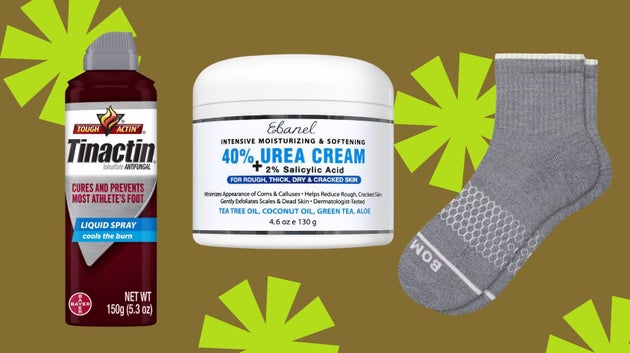
Tolnaftate is an effective ingredient for both prevention and early treatment of fungal infections. It is commonly found in sprays and powders. One popular option is the Tinactin antifungal spray, which provides a cooling sensation upon application and helps relieve itching or burning. The spray formula makes it easy to apply without touching the affected areas, allowing for better coverage between toes and under the feet.

2. Clotrimazole Cream

Clotrimazole is a true antifungal that works by stopping fungal growth at the source. This cream is ideal for mild infections and can effectively treat athlete's foot, ringworm, and jock itch. A highly-rated 1% clotrimazole cream is available at an affordable price and is known for its quick relief of symptoms.

3. Antifungal Foot Powder

Powder-based antifungals are especially helpful in controlling moisture, which is a major contributor to fungal growth. The Lotrimin daily medicated powder contains tolnaftate and is recommended for use before wearing footwear to prevent most athlete's foot infections.

4. Undecylenic Acid Treatment for Nails

For more stubborn nail fungus, a treatment containing 25% undecylenic acid may be beneficial. This compound disrupts fungal cell membranes, inhibiting their growth and reproduction. Some formulations also include oregano oil and tea tree oil, which have antimicrobial properties that can further combat fungal infections.

5. Urea and Salicylic Acid Cream

Ingredients like urea, lactic acid, and salicylic acid do not kill fungus directly but help by softening or thinning thickened nails, allowing antifungal agents to penetrate more effectively. The Ebanel intensive moisturizing and softening cream contains 40% urea and 2% salicylic acid, making it ideal for addressing rough, flaky skin and promoting healthier-looking nails.

6. Tea Tree Oil Foot Soak

Some individuals prefer natural remedies like tea tree oil, menthol, or diluted vinegar soaks. While these may offer mild relief, they are less reliable than medications. A popular option is a tea tree oil Epsom salt foot soak, which can help with symptoms of athlete's foot and promote overall foot health.

Preventative Measures and Additional Tips

In addition to using antifungal products, maintaining good hygiene and making lifestyle changes can help prevent the recurrence of foot and toenail fungus.

1. Moisture-Wicking Socks

Wearing socks made from materials like merino wool or synthetic blends can help keep feet dry. Bombas offers comfortable, moisture-wicking socks that provide cushioning and support, making them ideal for everyday wear.

2. Breathable Shoes

Choosing breathable shoes with mesh uppers or rotating pairs of shoes can allow footwear to air out between uses. Allbirds Tree Runners are a popular choice, featuring eucalyptus fiber fabric and a perforated knit construction for optimal airflow.

3. Waterproof Shower Shoes

Avoid walking barefoot in communal areas like gym locker rooms or showers. Non-slip, waterproof shower shoes with cushioned soles can provide protection and comfort.

4. UV Sanitizing Shoe Light

For an extra layer of prevention, consider using a UV shoe sanitizer. Devices like the Pedfix ShoeZap use UVC light technology to kill fungus and bacteria inside footwear, helping to extend the life of your shoes and reduce odors.

By combining the right treatments with preventive measures, it is possible to manage and even eliminate foot and toenail fungus effectively. Always consult a medical provider if the infection persists or worsens.