Monday, November 24, 2025

22 Winter Dinners for a Healthy Gut and Weight Loss

22 Winter Dinners for a Healthy Gut and Weight Loss


Winter is the perfect time to cozy up with hearty, nourishing meals that support your overall well-being. These recipes are designed to bring warmth and comfort while also promoting gut health and digestion. They feature ingredients like garlic, mushrooms, and beans, which are known for their beneficial effects on the digestive system. Each dish contains at least 6 grams of fiber and/or 15 grams of protein, and is under 575 calories per serving. This makes them ideal choices for those looking to maintain a healthy weight or simply enjoy satisfying, light meals during the colder months.

Creamy Spaghetti with Brussels Sprouts


This one-pan dish starts with pasta that simmers in broth, creating a rich, starchy base. It’s then coated in a creamy Asiago sauce with a hint of red pepper for a subtle kick. The addition of caramelized Brussels sprouts and shallots brings a sweet, earthy depth, while fresh basil adds a bright finish. It’s a simple yet flavorful meal that’s perfect for a busy weeknight when you’re craving something comforting.

White Bean Skillet
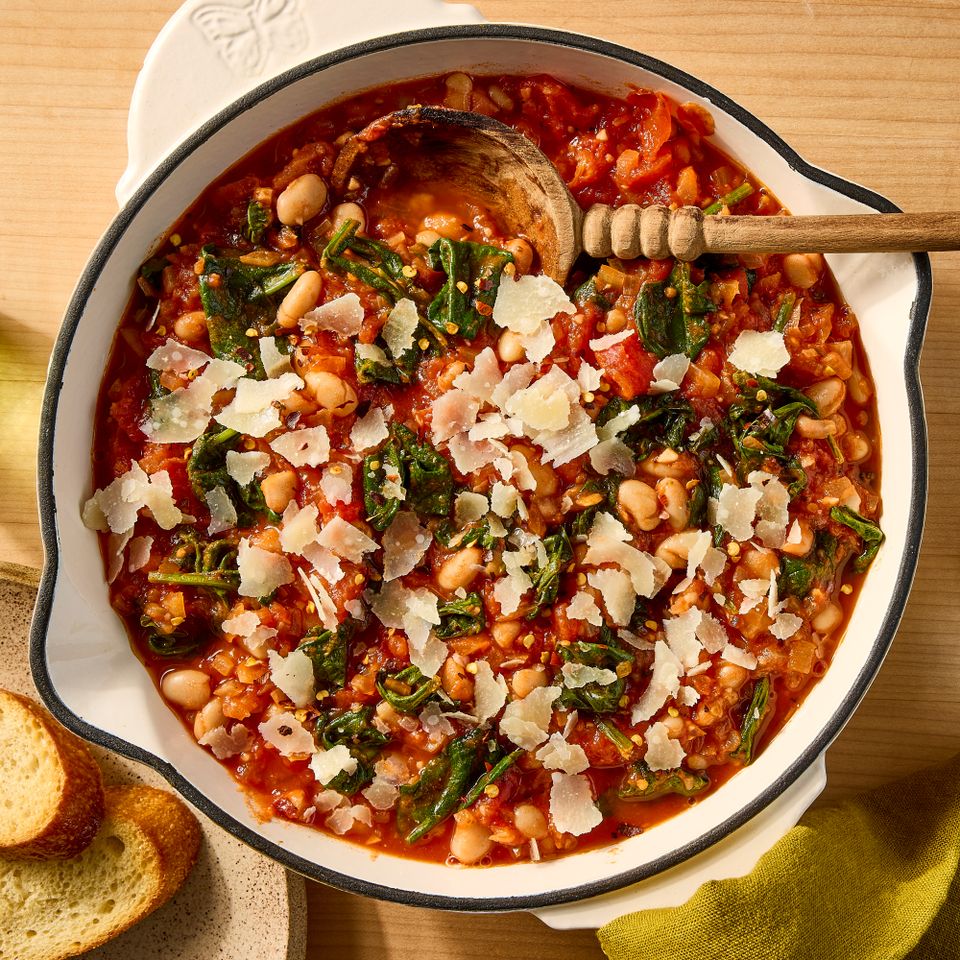

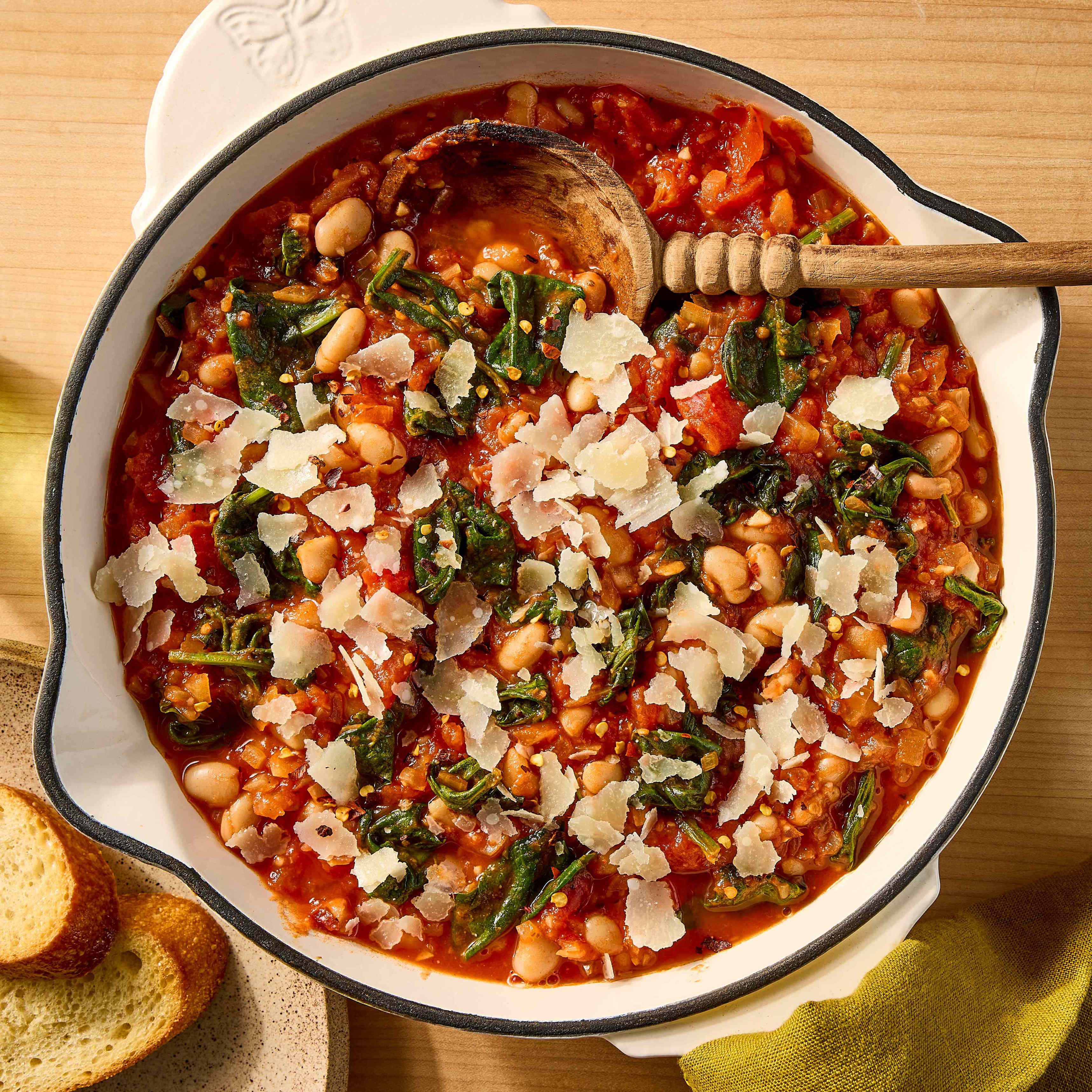
A savory blend of sweet onions, tomatoes, and garlic forms the foundation of this dish. Creamy white beans are added for a hearty texture, and a handful of spinach brings freshness and color. A sprinkle of Parmesan cheese ties everything together with a salty richness. Served with toasted whole-wheat baguette slices for dipping, it’s a quick and satisfying dinner that’s great for both weeknights and weekend suppers.

Lemon-Turmeric Cabbage & White Bean Soup


This soup combines tender cabbage and creamy cannellini beans with aromatic spices like turmeric and lemon. The tangy brightness of lemon juice lifts every spoonful, making it a light but deeply satisfying dish. It’s an easy recipe that’s perfect for a cozy weeknight meal.

Chickpea Casserole with Spinach & Feta
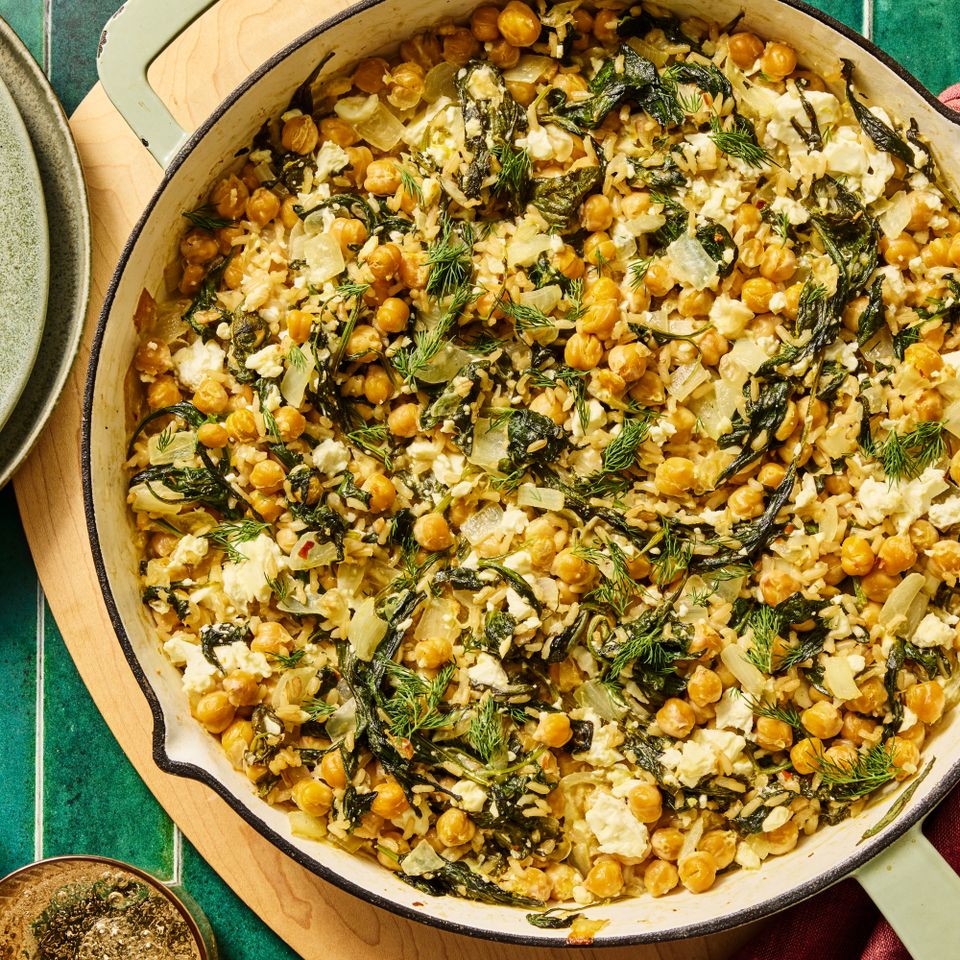

This casserole blends tender spinach, chickpeas, and brown rice with a touch of cream cheese and tangy feta. Fresh dill, nutmeg, and lemon juice add layers of flavor, while a hint of red pepper introduces gentle heat. Baked until bubbly and topped with lemon zest, it’s a comforting and vibrant dish that’s sure to please.

Marry Me White Bean Soup


Inspired by the flavors of Marry Me Chicken, this vegetarian soup features sun-dried tomatoes, garlic, cream, and Parmesan. It’s finished with fresh basil and extra cheese, creating a rich, soul-warming dish that’s crowd-pleasing and perfect for gatherings.

Broccoli-Cheddar Butter Beans


This dish offers the creamy, cheesy goodness of broccoli-Cheddar soup in a convenient skillet form. Tender butter beans provide a creamy texture and plant-based protein, while broccoli florets add color. Sharp Cheddar cheese melts in for that classic flavor, making it a filling main course.

Butternut Squash & Black Bean Enchilada Skillet


Tender cubes of butternut squash and hearty black beans simmer in green enchilada sauce, with tortilla strips stirred in for added texture. A layer of melted cheese ties everything together, creating a satisfying, vegetarian-friendly dish that’s easy to prepare.

Creamy Chickpea Soup


This quick and easy soup comes together in just 20 minutes. Cream cheese adds a velvety texture, while cilantro and crunchy tortilla strips provide a refreshing contrast. It’s a one-pot meal that’s perfect for busy weeknights and can be enjoyed by the whole family.

Spanakopita-Inspired Skillet Beans
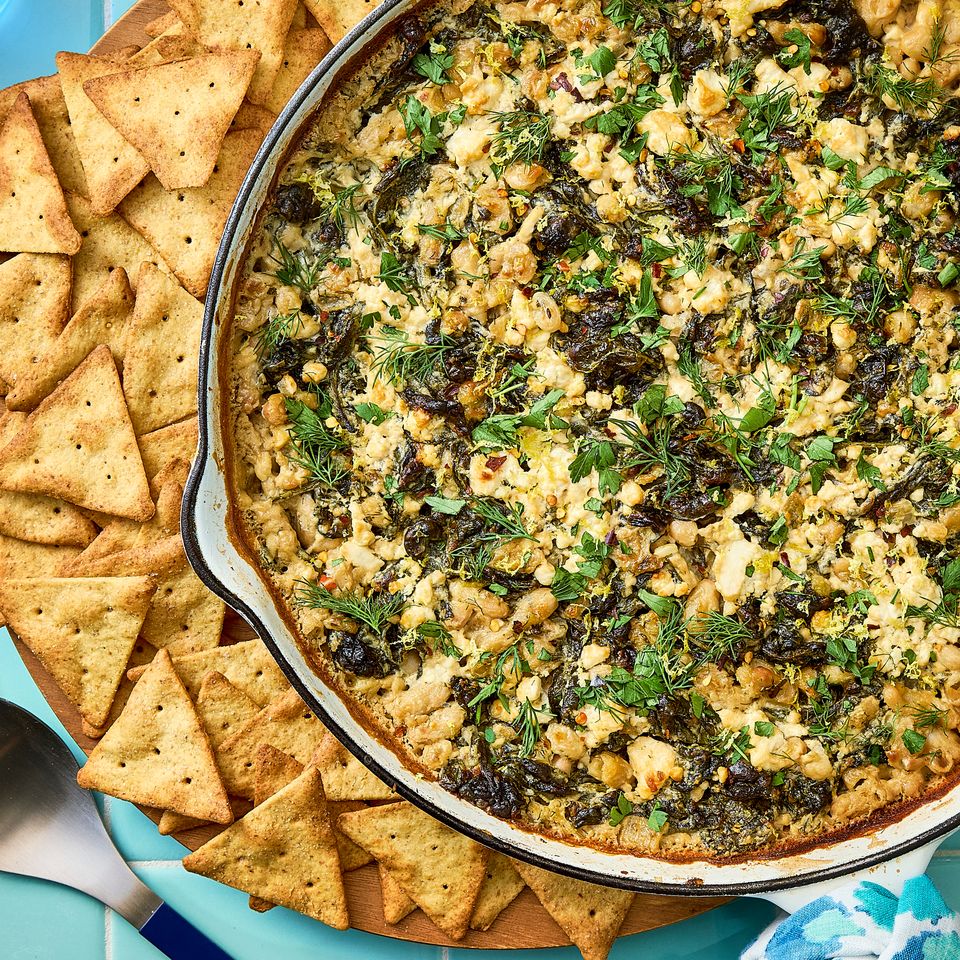

These skillet beans draw inspiration from spanakopita, the Greek spinach pie. Cannellini beans add protein and fiber, while fresh dill, parsley, and a squeeze of lemon provide a bright, herbaceous finish. It’s a creamy, comforting dish that’s great for any season.

High-Fiber Vegetable Stew


This vegetable stew is a cozy dish for two, made with late-summer and early-fall produce. Simmered with warm spices and a savory broth, it’s delicious served with warm naan on the side for dipping. It’s a perfect way to celebrate seasonal flavors.

High-Protein Chicken & Sweet Potato Enchilada Skillet
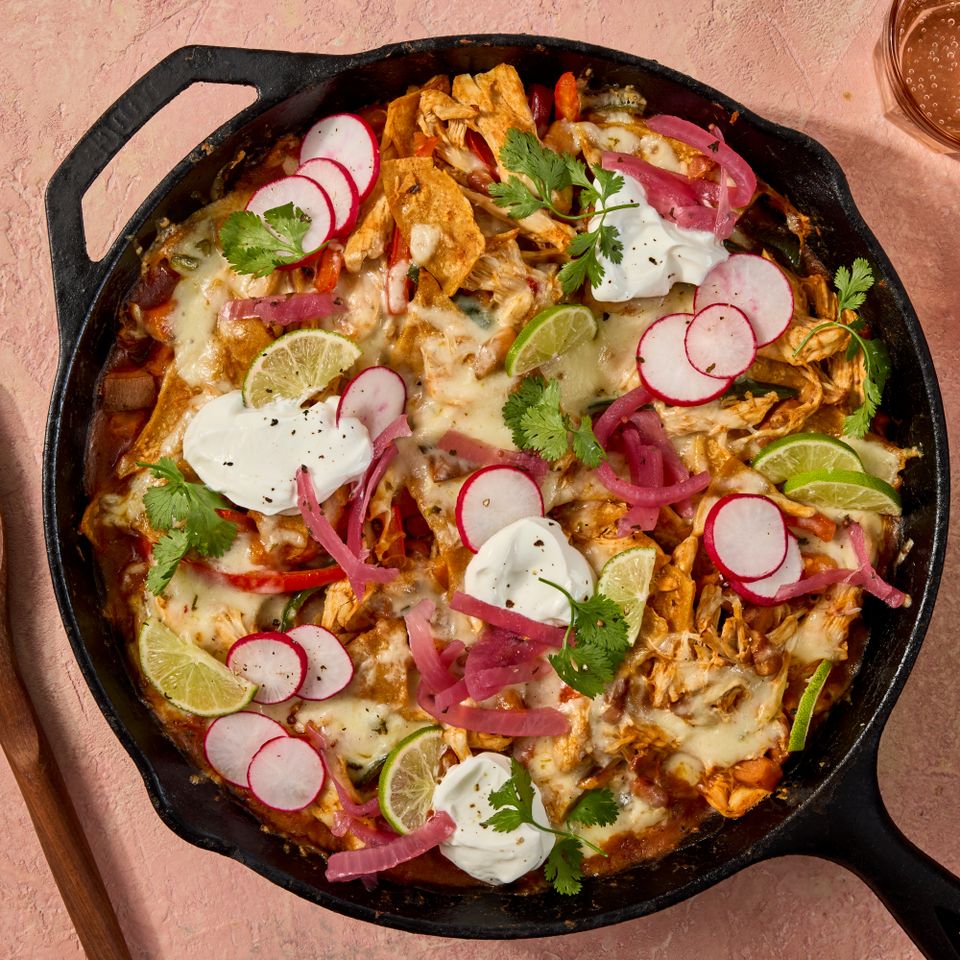

This one-pan meal is ideal for busy weeknights. Tender chunks of sweet potato and shredded chicken combine with store-bought enchilada sauce for a flavorful shortcut. It’s a hearty, satisfying dish that’s easy to make and packed with nutrients.

High-Protein Spaghetti Squash Caprese


This fun twist on the classic Italian salad combines traditional caprese ingredients with roasted spaghetti squash. The squash is tossed with juicy plum tomatoes, creamy mozzarella, fragrant fresh basil, and great northern beans for a boost of plant-based protein. A drizzle of balsamic glaze ties the dish together with a sweet-tangy finish.

Chicken Guacamole Bowls
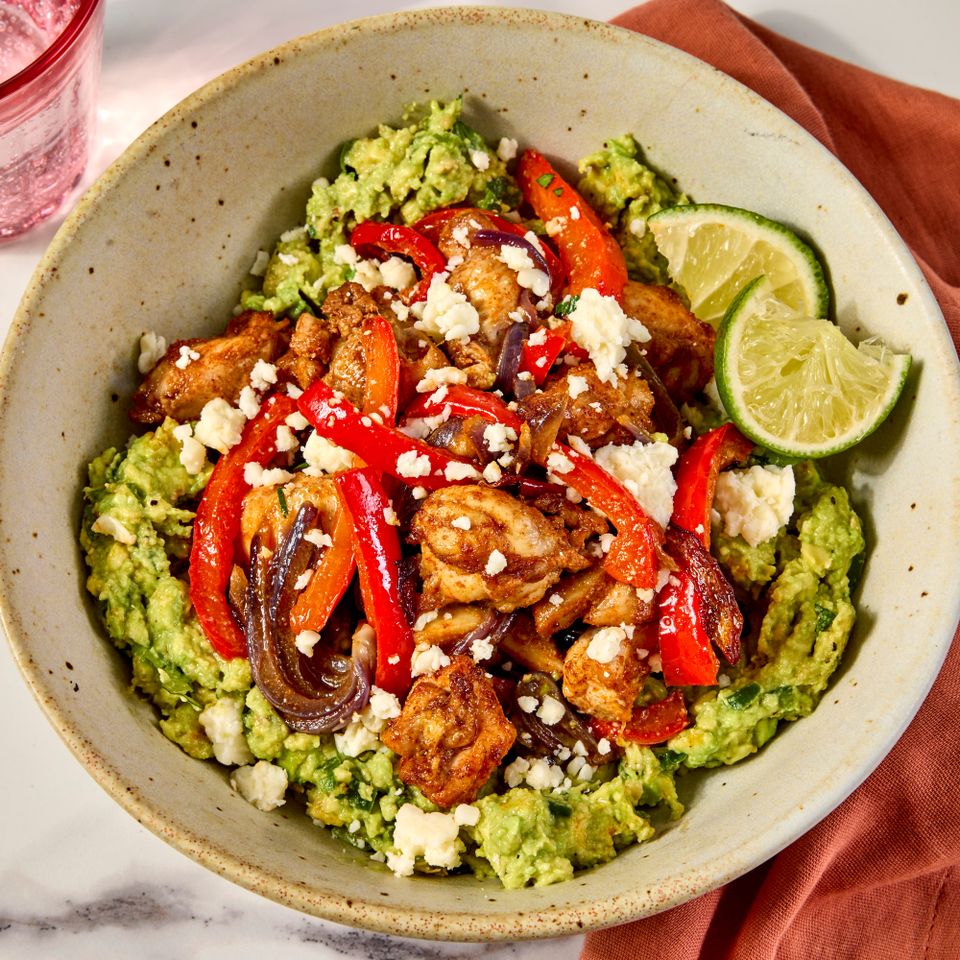

Juicy chicken thighs and colorful veggies are served over a fresh and creamy guacamole with a sprinkle of tangy cotija cheese. A squeeze of lime at the end brightens up the dish and ties all the bold, fresh flavors together.

Marry Me White Bean Salad
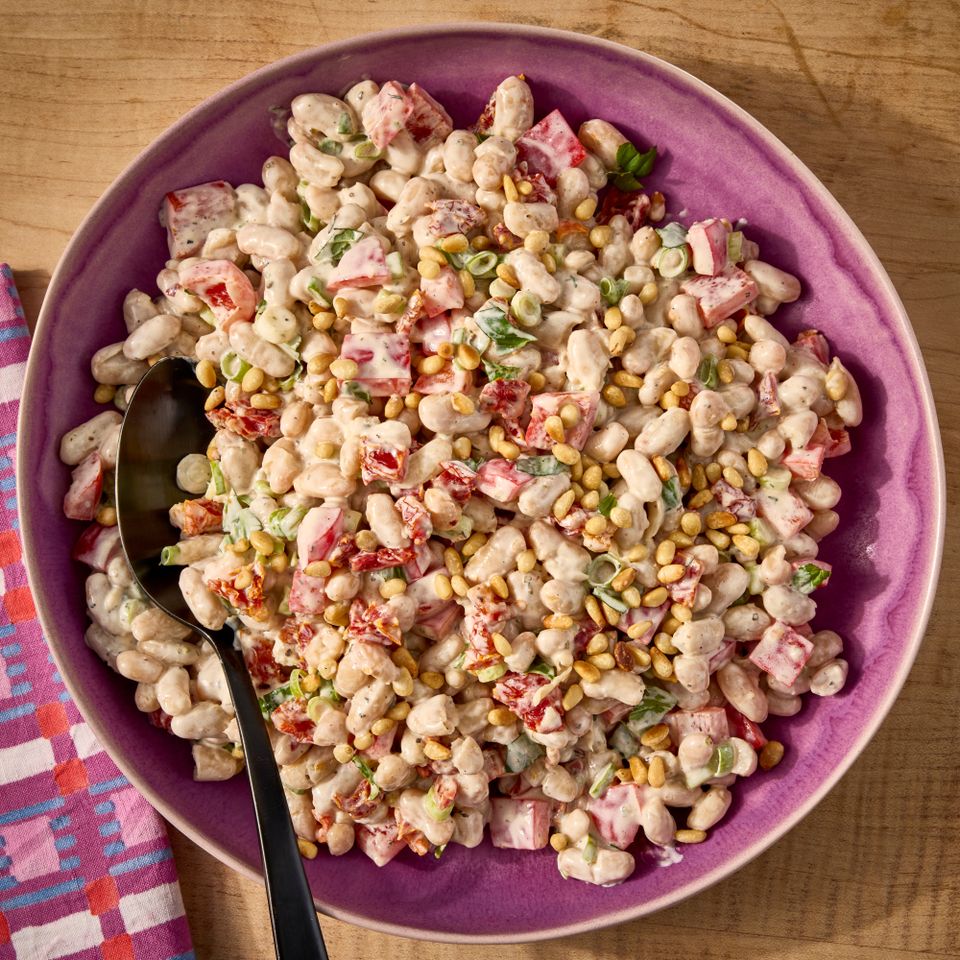

This salad is a bright, flavor-packed dish that’s hard not to fall for. Inspired by Marry Me Chicken, the tender white beans are tossed with sun-dried tomatoes, fresh basil, and a creamy dressing that soaks into every bite. It’s quick to throw together and perfect for meal prep, picnics, or pairing with grilled meats.

Sheet-Pan Salmon and Shaved Brussels Sprouts with Lemon-Garlic Drizzle
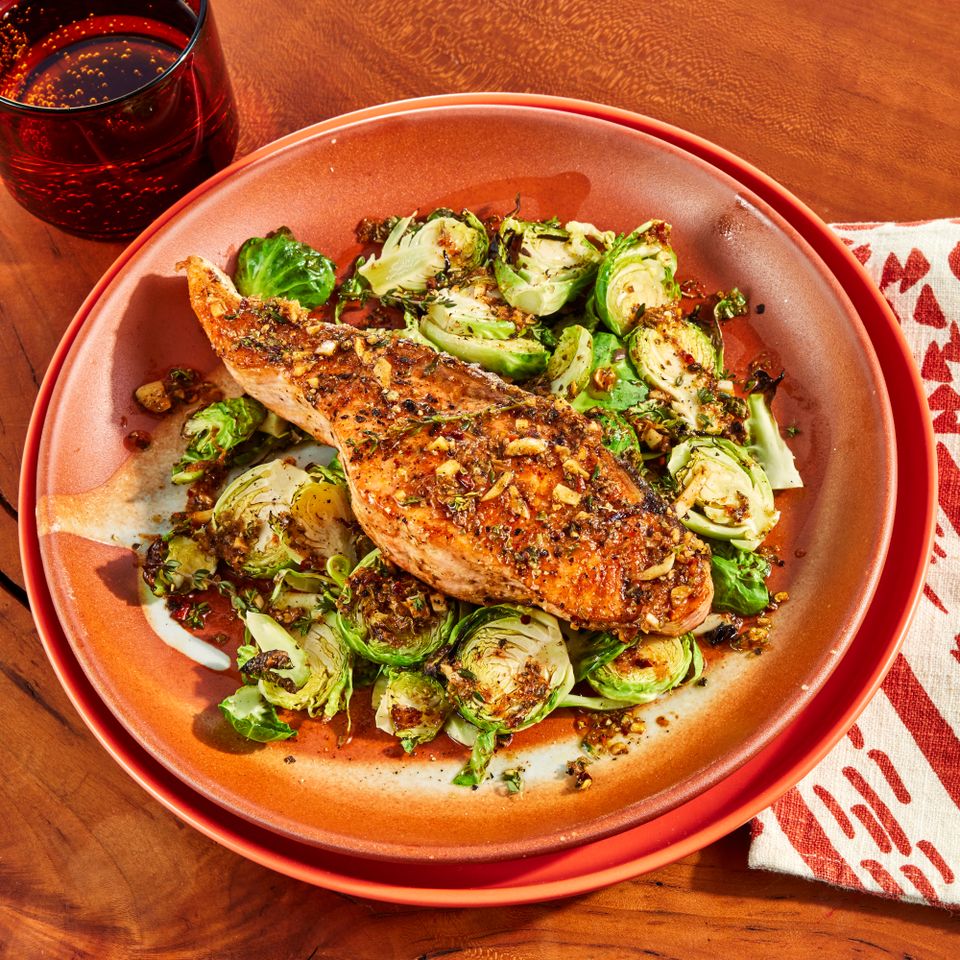

Heart-healthy salmon is nestled among shaved Brussels sprouts, both of which soak up amazing flavor from the double drizzle of lemon-garlic sauce. It’s a simple yet elegant dish that’s perfect for a weeknight dinner.

5-Ingredient Taco Stuffed Peppers
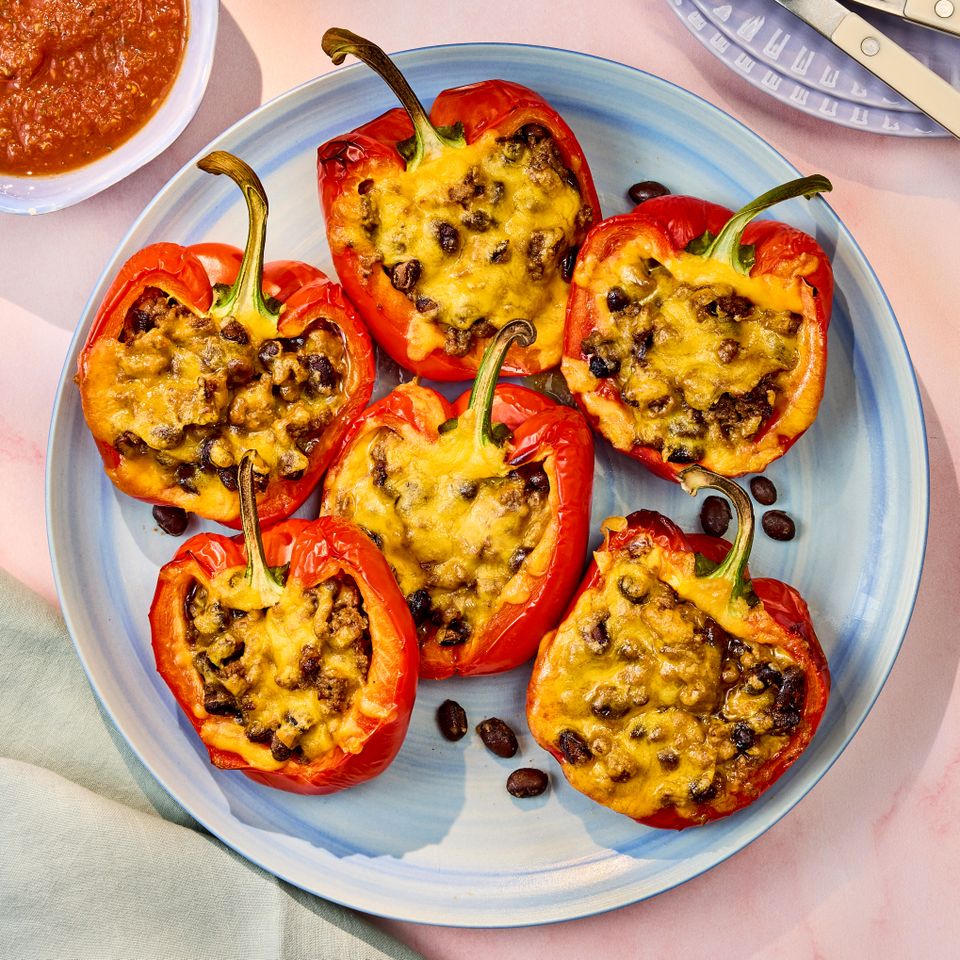

These five-ingredient stuffed peppers are a simple, satisfying twist on taco night with all the flavors you love. Sweet bell peppers act as the perfect vessel for a filling of lean ground beef, black beans, salsa, and melty cheese. Serve them with a dollop of sour cream, sliced avocado, and/or fresh cilantro for a little extra flair.

Spaghetti with Mushrooms, Spinach & Ricotta
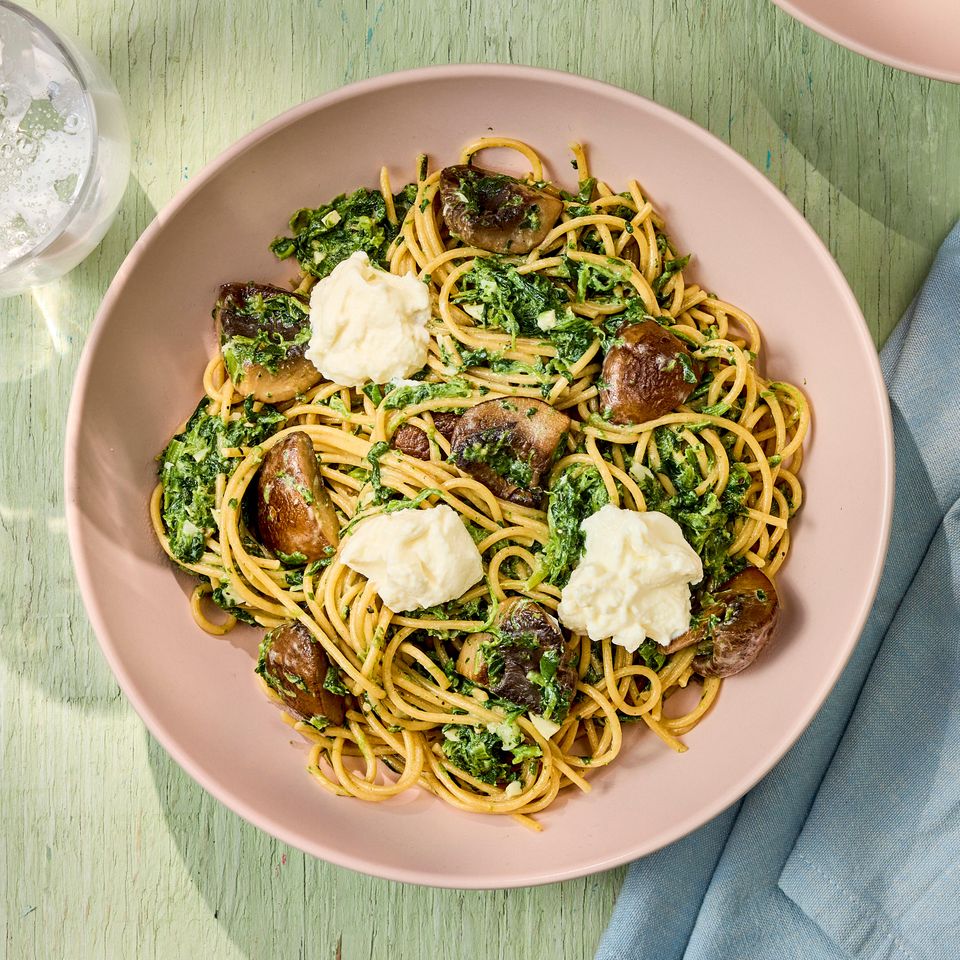

Earthy mushrooms, spinach, and garlic flavor the pasta alongside whole-milk ricotta that creates a creamy sauce. You can elevate the flavor even more by using wild mushrooms for a deeper savory flavor and finishing with a squeeze of lemon to brighten everything up.

Roasted Veggies with Halloumi & Chickpeas
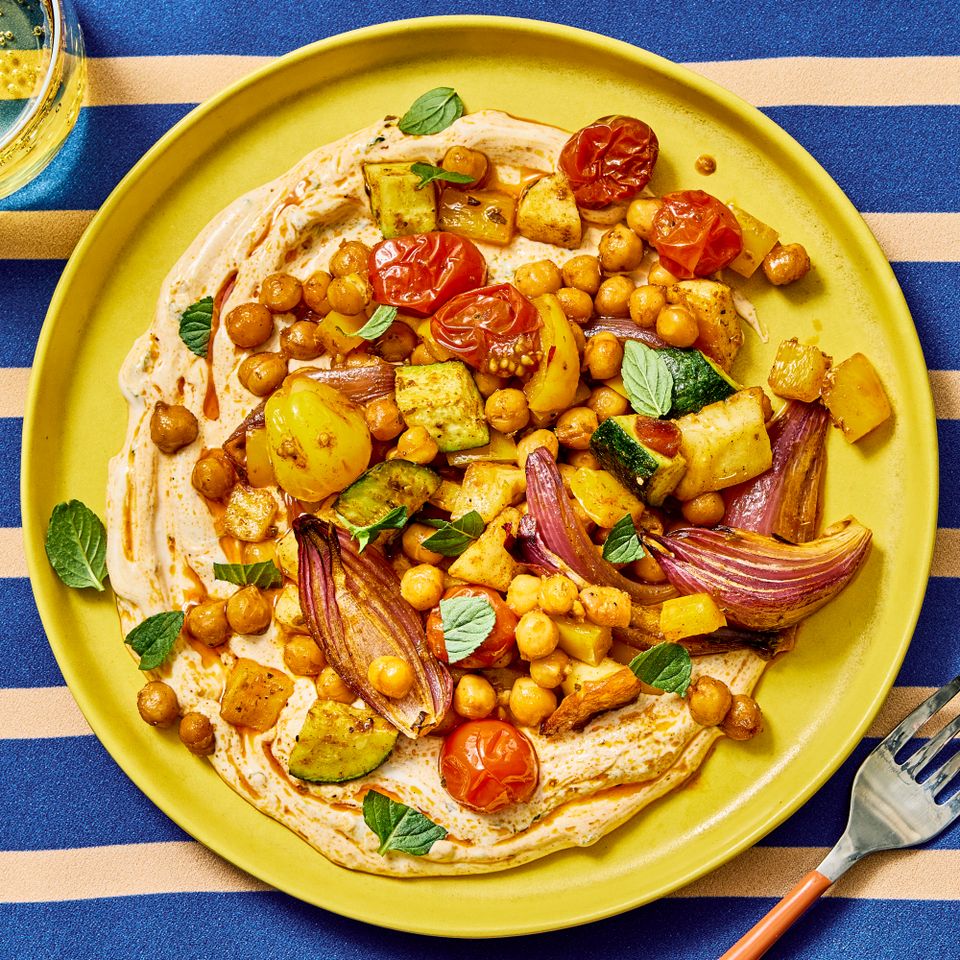

This sheet-pan recipe is perfect for a weeknight dinner with easy cleanup. Chickpeas and halloumi provide protein to make this dish filling and satisfying. Roasting everything on the same sheet pan creates crispy, caramelized bites that meld beautifully with the creamy yogurt spread underneath.

Sheet-Pan Chicken Thighs with Red Cabbage & Sweet Potatoes


The beauty of this dish lies in its simplicity—everything cooks together on one sheet pan, making cleanup a breeze. As the ingredients roast together, the chicken juices meld with the vegetables, creating a savory dinner.

Spinach & Artichoke–Stuffed Butternut Squash
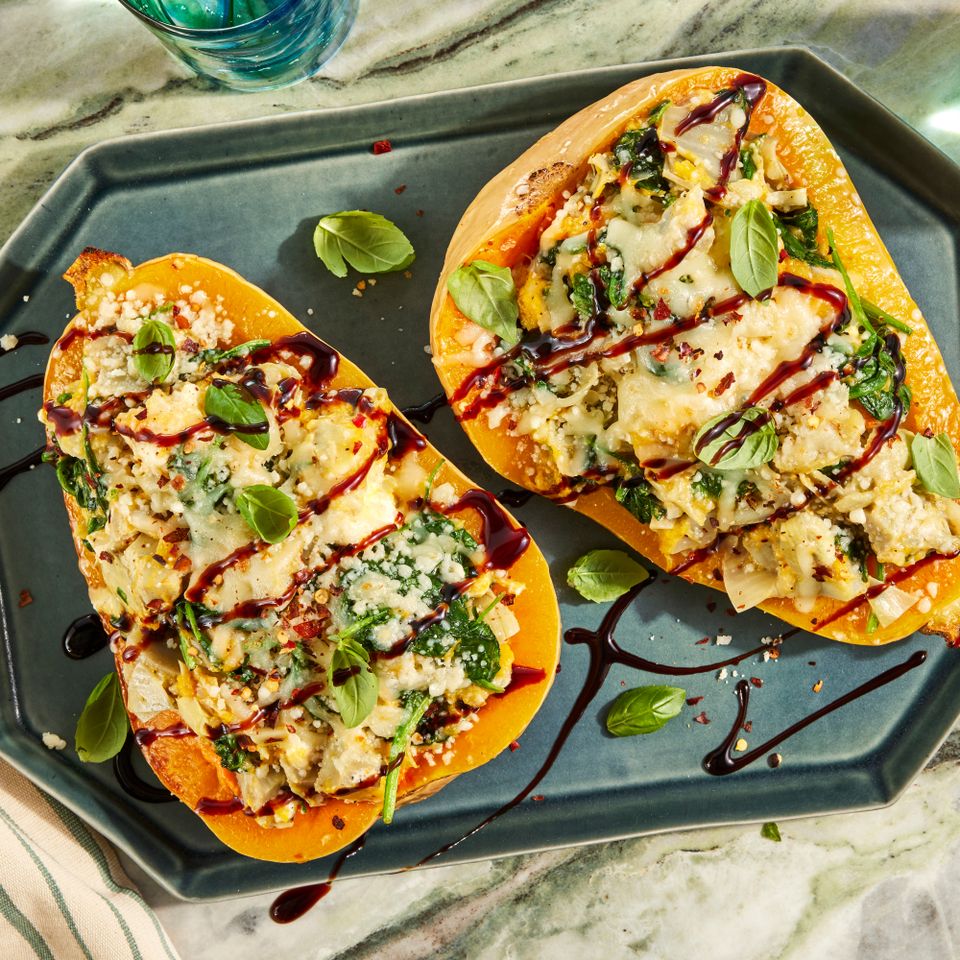

Tender roasted butternut squash halves are filled with a cheesy spinach-and-artichoke mixture. A sprinkle of crushed red pepper adds heat, and a drizzle of balsamic glaze adds a tangy-sweet flavor contrast that ties it all together.

Saag Aloo Matar
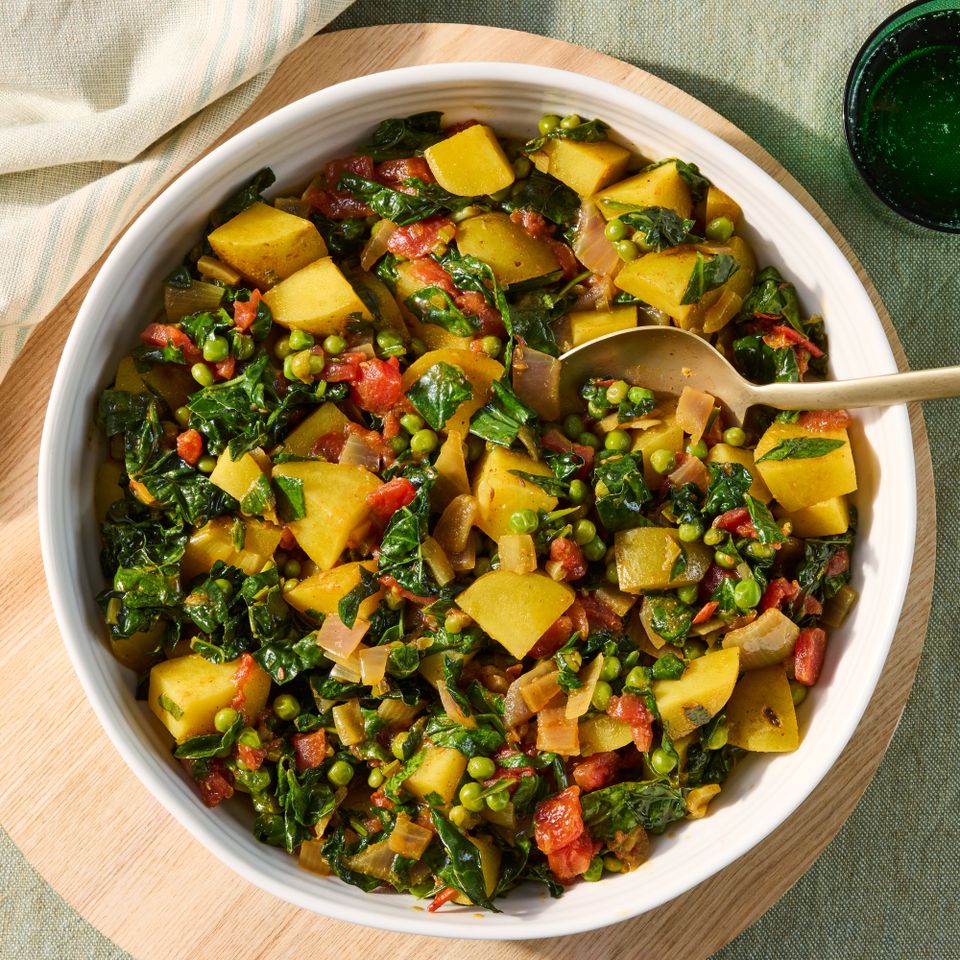

This cozy one-skillet dinner draws inspiration from two Indian dishes: saag aloo and aloo matar. It’s packed with plenty of vegetables, including leafy greens, potatoes, and peas, all simmered in an aromatic tomato-based sauce.

Fajita-Stuffed Mushrooms
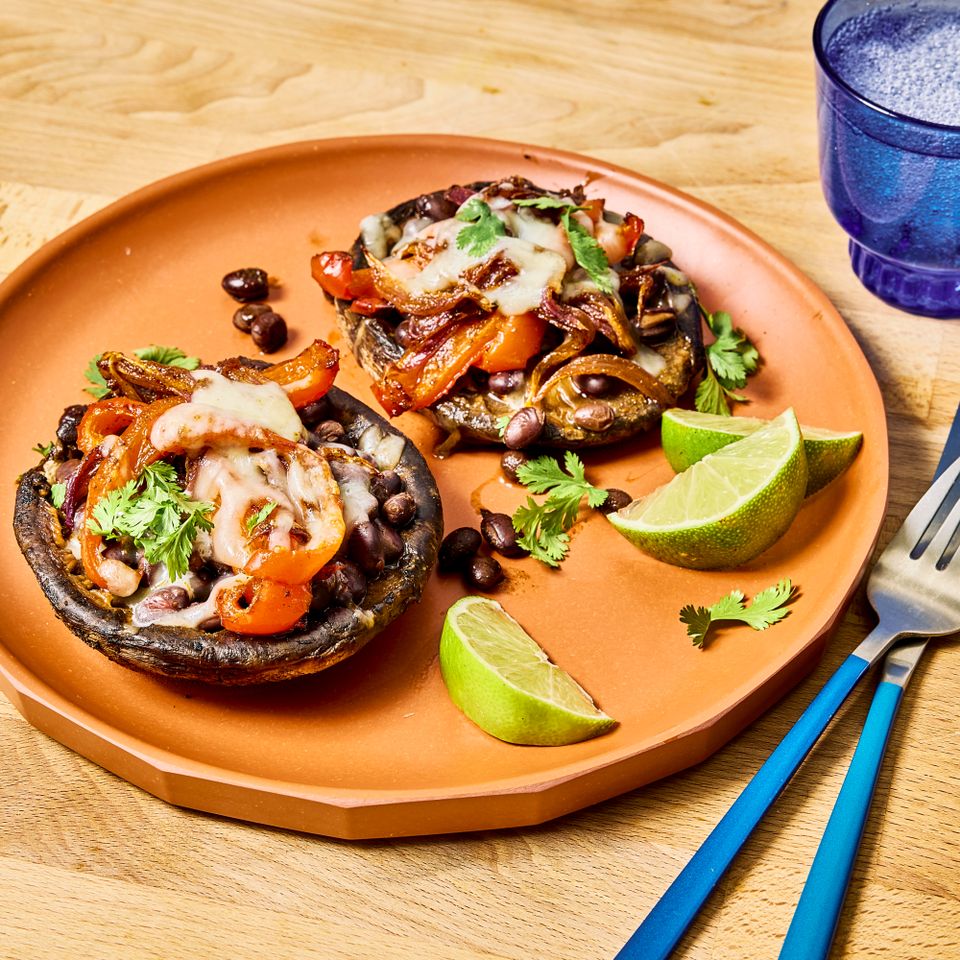

This flavorful vegetarian dish fills roasted portobello mushroom caps with fajita-style veggies and black beans, giving them a boost of fiber and protein. Top it off with melted cheese and strained (Greek-style) yogurt for a satisfying dinner.


Diane Keaton's 13 Secret Healthy Habits for a Long, Vibrant Life

Diane Keaton's 13 Secret Healthy Habits for a Long, Vibrant Life

This weekend, Hollywood lost one of its most whimsical women. Diane Keaton, the Oscar-winning actress who made an art form of sweater weather, menswear, and fun that radiated warmth, died October 11, 2025, at age 79. The cause of Keaton’s death was not announced, but a source shared that the actress had kept her sense of humor and closeness to her friends “right up until the end.”

Born Diane Hall on January 5, 1946, in Los Angeles, Keaton started life in a corrugated metal Quonset hut. (She said her childhood home gave her a “lifelong appreciation for arches.”) From that unique beginning she became one of the most beloved actresses in movie history. Her career stretched more than 50 years and included an Oscar, a BAFTA, two Golden Globes, and the AFI Life Achievement Award. Her prominence was known across generations, from Annie Hall to Kay Corleone in The Godfather trilogy, and Nina Banks in Father of the Bride where she fell pregnant in her late 40s—then proved, in Something’s Gotta Give, that romance doesn’t end at 50.

A longtime friend of figures like Goldie Hawn, Jane Fonda, Al Pacino, Jack Nicholson and Steve Martin, in her fifties she adopted daughter Dexter and son Duke. “Motherhood was not an urge I couldn’t resist,” sources have quoted her as having told Ladies Home Journal. “It was more like a thought I’d been thinking for a very long time. So I plunged in.” That’s not to mention her work as a photographer, a memoirist, and someone who renovated so many houses it’s no wonder Nancy Meyers sets made her look right at home.

How did Diane Keaton make 79 years look so good? Read on to discover the 13 habits that kept her lively.

She woke up every day at 6 a.m.

Before getting up before dawn was a social media trend, Keaton was already up and at it. “I get up early, around 6 a.m., in the remarkable, wonderful mess of life,” she said in a 2022 interview with WSJ Magazine. While the rest of us hit snooze, she was already enjoying the peaceful morning hours—with “plain old black coffee.”

Early birds really may be healthier. A University of Toronto study published in the journal Emotion found that morning people reported greater levels of happiness and positive emotion than night owls, regardless of age. Recent research also found many people regard morning as the most positive window of the day, before the rush of the world kicks in.

She walked her dog every morning

Each day started with a walk with Keaton’s golden retriever, Reggie. “I take the dog, who sleeps with me on top of my bed … on a walk in the darkness,” she told the Wall Street Journal. “We walk around the neighborhood; we really enjoy that.” (Reggie was with Keaton to the end and is featured in her very last Instagram post.)

Dog owners who regularly walk their dogs have lower rates of obesity, fewer chronic health conditions, and fewer doctor visits, according to a study published in the Journal of Physical Activity and Health. Also, don’t discount the feel-good power of a good pet snuggle.

For 30 years, she ate a vegetarian diet

Keaton went vegetarian around 1995 and never looked back. “I’m a vegetarian now. I don’t eat meat or fish. I eat eggs and cheese,” she told the Chicago Sun-Times. “And I do watch what I eat.”

You don’t have to go full vegetarian to be healthy, as just adding a few servings of veggies a day can give you a health boost. Harvard Health reports that vegetarians typically have lower cholesterol, lower blood pressure, and a lower body mass index—all associated with longevity and reduced risk of chronic diseases. Some research has shown that vegetarians are 25% less likely to die of heart disease.

She adored nuts

Keaton had strong opinions about snacks. In the Wall Street Journal interview, she revealed she kept “a variety of jars of nuts on hand.” In an Instagram video she added, “Almonds are my favorite nut in the world. It’s salty and there’s nothing like it.”

When healthy eating becomes automatic, you know you’re doing something right. Almonds and walnuts are a great choice—packed with vitamin E and omega-3 fatty acids, which support heart and brain health. Harvard research notes nuts help regulate blood sugar and contain antioxidants, fiber, and minerals that can protect against heart disease.

She exercised every day (but it never involved running)

She knew the power of a good endorphin rush so even when she was working on a film set, she made time to exercise every day. No excuses, no “I’ll do it tomorrow.” She was also honest about what worked for her. “I walk. I get on the treadmill,” she told the Chicago Sun-Times. “And I’ll walk really fast to break a sweat. One thing is for sure—I don’t run. It’s too hard. But the fast walking does give me a lot of energy to face the day.”

Experts agree: Walking fast provides great cardio…while generally being gentler on knees than a run. Consistency matters more than intensity—daily exercise has so many benefits we can’t even list them all here, but to name a few: it reduces the risk of heart disease, stroke, type 2 diabetes, and certain cancers. Brisk walking provides cardiovascular benefits similar to running but with much less stress on joints and lower injury risk.

She mixed up her workouts with spin classes

Even into her late sixties, Keaton was taking spin classes. “I do take spin classes with my daughter Dexter,” she said in the Chicago Sun-Times interview. “It’s rough. But at least I’m there. I’m sweating. I think the key here is that you don’t have to be like everybody else. Just do it. Do it the best you can do it.” She added, “I know in spin class that for 45 minutes, I’m using my body to its fullest. And that’s big.”

Big, it is. High-intensity interval training, like spinning, can build cardiovascular endurance, strengthen muscles, and burn serious calories. Plus, exercising with family members creates accountability and strengthens relationships. (Nothing says “bonding” like exchanging a look on the hill climb.)

She also stretched and strength-trained

Keaton understood that strength training and mobility become even more important as you get older. She added yoga and Pilates, working on strength, flexibility and range of motion. These practices improve balance (reducing fall risk), maintain mobility, and help prevent the chronic back pain that plagues so many people as they get older.

She had a surprising relationship with music

In the candid Wall Street Journal interview, Keaton revealed an unusual habit: she rarely listened to music—she explained: “I don’t play it very often. I don’t want it around … it reminds me of things that make me sad or [that I] miss.” Namely, she shared, her mother. “It takes you back to moments in time and people that meant more than anything,” she said, adding that she’d only use it strategically when acting to help herself cry for a scene.

This wasn’t about avoiding emotions—it was about managing them. Keaton understood her own triggers and set boundaries to protect her mental health. Knowing your emotional triggers and setting healthy boundaries is a form of self-care. While music can be therapeutic for many, recognizing what works (or doesn’t work) for your own mental health and acting accordingly shows emotional intelligence and self-awareness—both key components of psychological well-being.

She loved being outdoors

According to Keaton’s Instagram, she embraced the California hills and hiked regularly, proving that exercise doesn’t have to happen in a gym.

Getting outdoors provides the added benefit of exposure to nature, which has incredible health benefits. In fact, it’s so powerful that the Japanese swear by “shinrin-yoku” or “forest bathing” as a type of medicine. A 2022 study published in Environmental Health and Preventative Medicine, found that being outdoors reduces cortisol (the stress hormone), lowers blood pressure, boosts immune function, promotes better sleep, improves cognitive function, and lifts mood.

She always wore sunscreen

That said, after two skin cancer scares—one at 21 and one later in life—Keaton became religious about sun protection. “Thanks to those basal- and squamous-cell skin cancers, I never skip sunscreen; a broad-spectrum SPF 30 is in my pocket every day,” she said in a 2024 interview with AARP.

This was wise. Skin cancer is the most common cancer in the U.S., according to the U.S. Centers of Disease Control and Prevention (CDC)...but it’s also one of the most preventable. Daily sunscreen use significantly reduces your risk of both melanoma and non-melanoma skin cancers. And SPF 30, like she used, blocks about 97% of UVB rays, according to Northwestern Medicine.

She treated herself

Keaton didn’t deprive herself. In a 2022 Instagram video tour of her pantry, she showed off her snack collection, saying, “I enjoy a raisin. Raisins are good for you and they smell great.” She also revealed her favorite candy: Chimes Toasted Coconut Hard Toffee.

She also liked to relax with a glass of wine. In the same Instagram video, she points out a bottle of wine, saying, “There’s a little bit of wine that I’m familiar with.” She also launched her own wine brand, The Keaton, in 2015—and in an X post said, “Don’t forget the ice. Cheers.”

Research, such as noted by Inc., shows that people who allow themselves small, planned indulgences are more likely to stick with healthy eating long-term. The key word is “small”—a few toffees, not the whole bag.

She focused outward, not inward

This might be the most important healthy habit Keaton practiced. In the AARP interview she said, “The overall trick is to stay curious, energized and engaged, and to let go of your concerns as much as possible. You want to look outward more, instead of inward so much. Oh, and never look back!” She also advised: “Distract yourself. Have a busy, full life and stop looking in the mirror all the time!”

Translation: Stop obsessing over yourself. Get interested in the world. Do stuff. Make things. Talk to people. Live.

It’s not just about positive vibes, the Harvard Longevity Study—a nearly 100-year research project—found that having a positive outlook, strong social connections and engagement with the world live longer and have better mental health. These are a bigger predictor of how long you will live than social class, IQ, or even genetics. Self-obsession and rumination, on the other hand, are linked to anxiety and depression. Looking outward can help you feel healthier and happier.

She embraced aging like a boss

When asked about getting older, Keaton previously shared: “Bottom line: I think healthy aging is something you take on with a modicum of grace.” She got real about what matters: “I’m at an age where the real goal is to be the best person you can be. That’s something that starts in your brain. It’s the real challenge of life.” Instead of the Photoshop and drastic procedures we so often see in Hollywood, she handled aging with grace, acceptance, and showing up as her best self.

This can help you, too. Research published in the Journal of Personality and Social Psychology found that people with positive attitudes about aging live an average of 7.5 years longer than those with negative views. Accepting aging as a natural process—rather than something to fight—reduces stress and improves both mental and physical health outcomes.

Friday, November 7, 2025

Top Cat Food for Urinary Health Support

Top Cat Food for Urinary Health Support

Understanding Urinary Health in Cats

Urinary problems are among the most common health issues affecting cats, and they can range from minor and uncomfortable to life-threatening. In conjunction with your veterinarian’s guidance, the right cat food for urinary health is essential. Diet plays a vital role in supporting urinary tract health by helping cats maintain a proper pH balance.

Cats can be masters of hiding their pain and discomfort, so pet parents must pay close attention to signs and symptoms of urinary issues. Symptoms include, but are not limited to, frequent urination, bloody urine, and even urination outside the litter box after the problem has lingered. Without treatment, urinary blockages may turn into medical emergencies within hours.

Whether it’s urinary crystals, stones, blockages, or a urinary tract infection, your veterinarian should correctly diagnose the issue and provide treatment. In this guide, we’ll explore urinary cat food in both traditional and prescription formulas. Whether your cat has long-standing urinary problems or you are proactively managing things, understanding available options will help you make the best choice for your feline best friend.

Cat Food for Urinary Health: What Is It?

Cat food for urinary health is more than a fancy label; it’s designed to reduce issues that cause urinary problems in cats. Mineral balance, for example, is the foundation of urinary support. You’ve probably heard of the essential elements magnesium, calcium, and phosphorus. However, high levels of them may contribute to stone and crystal formation in your cat’s urinary tract and bladder. This is where problems begin.

Moisture and hydration are the most essential factors in urinary health, and for most cats, that means proper water intake. It’s always a good idea to monitor how much water your cat drinks, but as busy pet parents, that may not always be possible. Wet foods, which generally contain 75-to-80 percent water, help dilute urine and flush the bladder. Some cat food formulas slightly increase sodium to encourage drinking, but this should be closely monitored in cats with kidney or heart conditions.

Urinary diets may also help keep your cat’s urine on the acidic side, which is about 6.0 to 6.5 on the pH scale (your veterinarian can monitor this, and you can do so with specific urine strips at home). A pH reading in this range may help dissolve struvite crystals and prevent their formation. The right pH balance comes from the right ingredients, such as cranberry support, herbal ingredients, and natural acidifiers like DL-methionine.

Pro Tip:

Food is not a cure-all or complete preventative for urinary health in cats, which is why your veterinarian should closely monitor your cat.

Vetstreet’s Top Healthy Cat Food Choices for Mineral Balance

Best Overall for Urinary Health:

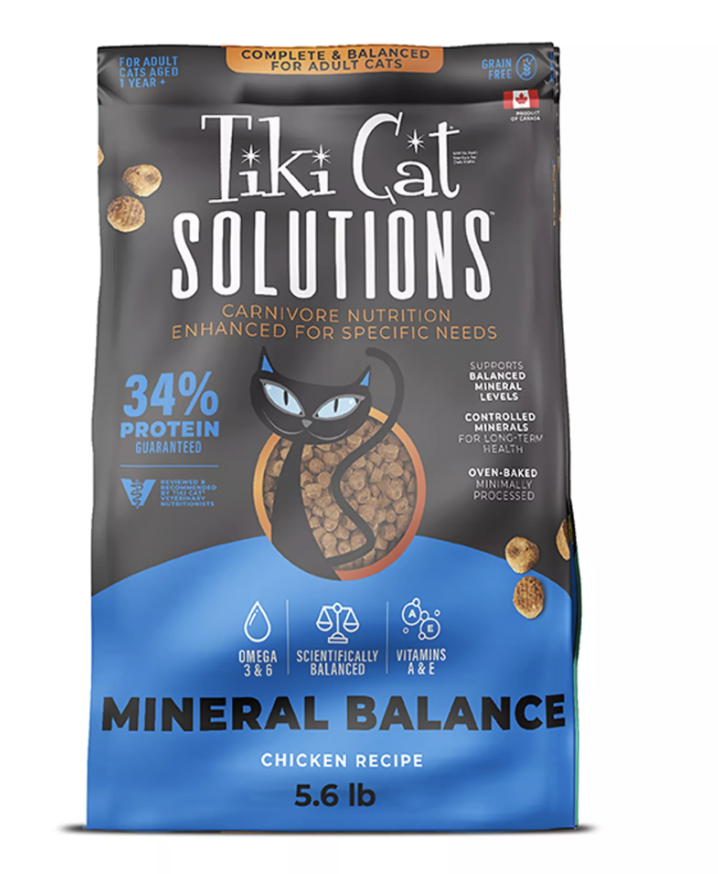
Tiki Cat Solutions & Mineral Balance Adult Chicken Recipe

Buy at PetSmart

Key Urinary Health Features Formulated for mineral balance support, the guaranteed analysis of Tiki Cat Solutions & Mineral Balance Adult Chicken Recipe reveals a maximum magnesium level of 0.15 percent and a maximum phosphorus of 1.4 percent, both of which may help reduce crystal formation.

The high level of 34 percent crude protein helps support overall adult cat health in this grain-free recipe. Scientifically balanced with vitamins A and E, it also contains omega fatty acids to support overall feline health.

Pros The low maximum magnesium content of 0.15 percent, compared to other standard dry foods, is ideal for urinary health. The formula is grain-free and high in protein, ideal for cat moms and dads who prefer a premium cat food. The kibble formula is easy for pet parents and great for cats who enjoy dry food. Deboned chicken is packed with essential nutrients cats need. Reviewed and recommended by Tiki Cat veterinary nutritionists. Rich in omega-3s and 6s.

Cons Dry food tends to have lower moisture than canned or wet varieties, but a topper can be added for more moisture. Some of the formula’s ingredients may have a higher carb content (such as chickpeas and peas), which may be a consideration for felines with metabolic risks. The guaranteed analysis of 1.4 percent phosphorus max is moderate; check with your veterinarian to see if this percentage is acceptable. (All cats are different).

Why It Made the List We chose this formula because it boasts a strong combination of features designed for urinary health in cats. While not a prescription food, this is a higher-quality dry food with controlled minerals in a grain-free formula.

Best Wet / High-Moisture Option:

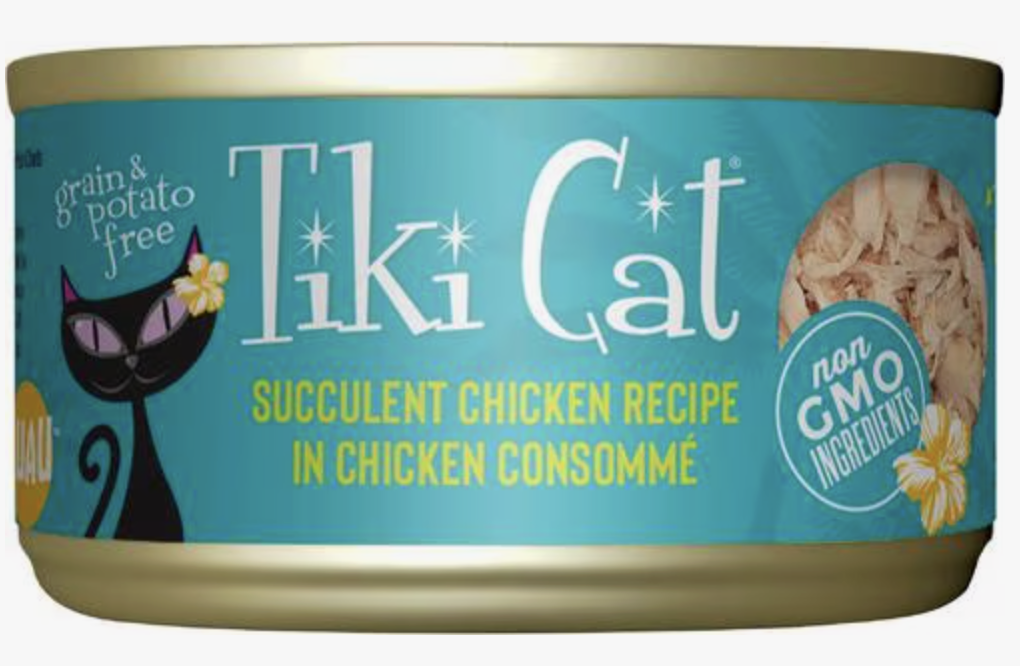
Tiki Cat Luau Succulent Chicken in Chicken Consomme

Buy at PetSmart

Key Urinary Health Features Tiki Cat’s Succulent Chicken Recipe in Chicken Consomme contains non-GMO ingredients, is grain-and-potato-free, and has 70-to-80 percent moisture to support hydration and help dilute urine, which may reduce the formation of crystals. The lower mineral levels of 0.10 percent magnesium and 1.04 percent phosphorus are ideal.

Pros The wet formula may benefit cats with urinary issues, as this helps with hydration. The shredded chicken in broth is likely to appeal to even the most finicky cat. Grain-free and potato-free formula means minimal filler ingredients. Chicken is free of hormones and antibiotics.

Cons This is not a prescription formula. Even with more moisture than dry food, cats must still drink water if they also eat dry food. Some cats may not care for the flavor if they just don’t like chicken.

Why It Made the List The Tiki Cat’s Succulent Chicken Recipe in Chicken Consomme is species appropriate, has a controlled mineral foundation, and is high in moisture. We like that it does not require a prescription and that its ingredients are transparent. Many reviews indicate cats devoured the food and really enjoyed the taste, too, which is a bonus.

Best Dry Option:

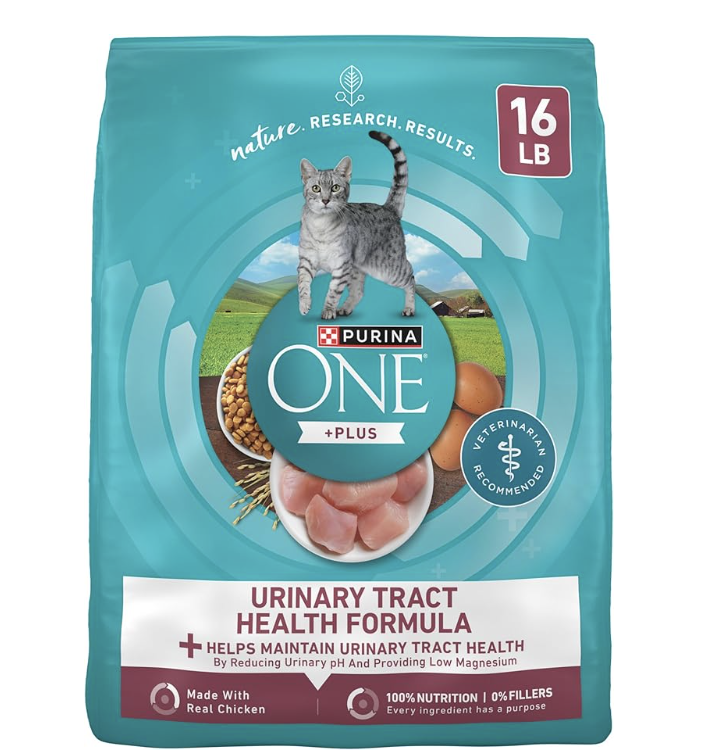
Purina ONE +Plus Urinary Tract Health Formula

Buy at PetSmart

Key Urinary Health Features With real chicken as the first ingredient, every ingredient in the bag has a purpose. The Purina ONE +Plus Urinary Tract Health Formula is low in magnesium and may help reduce urinary pH. We like that it contains four antioxidant sources to support a strong immune system.

Pros Two important urinary health factors with lower magnesium and urine pH control. Combines urinary support and overall adult cat needs, like proper protein and immune/antioxidant support. Real chicken is ideal for most cats that enjoy it as a protein source. Veterinarian-recommended in an easy-to-serve kibble format.

Cons Like most dry foods, it has a lower moisture content than wet foods, so additional hydration is necessary. Exact mineral thresholds are not fully revealed (i.e., magnesium, phosphorus, calcium, and sodium). Contains corn protein meal, which may not appeal to some cat parents.

Why It Made the List The Purina ONE +Plus Urinary Tract Health Formula provides urinary support for cats without a hefty price tag or prescription. This is one of the few readily available dry foods for cats with urinary issues that promotes a healthy pH level while keeping magnesium levels in mind. Purina is a name that most pet parents know and trust, thanks to their extensive research in the pet food market.

Best for Picky Eaters:

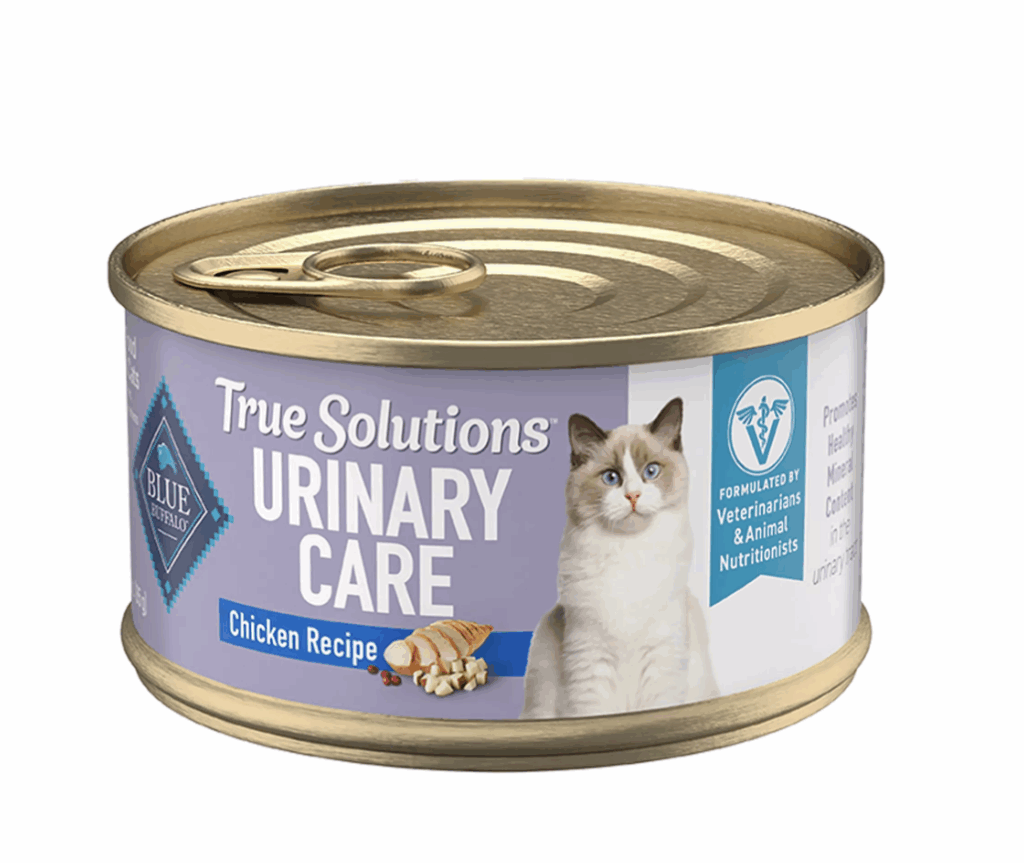
BLUE Buffalo True Solutions Urinary Care Chicken Recipe

Buy at PetSmart

Key Urinary Health Features Formulated by veterinarians and animal nutritionists, BLUE Buffalo’s True Solutions Urinary Care canned food focuses on maintaining recommended urine pH levels and a controlled magnesium level in cats. The high moisture content of up to 78 percent helps promote hydration, which may help prevent urinary crystals.

Pros The wet texture is more ideal for urinary health than kibble aloe. Picky eaters may love the natural ingredients of real chicken, free of by-products. Contains no corn, soy, or wheat. No artificial flavors or preservatives.

Cons This is not a prescription diet, which may be required for some cats. There is no guarantee a finicky cat will consume this or any other food. Not highly available online, other than sources noted.

Why It Made the List This formula stands out by combining clinical urinary support with clean, natural ingredients, which is rare in the non-prescription world. The wet format promotes hydration while maintaining healthy urinary pH and mineral balance, but what sets it apart is its appeal to health-conscious pet parents seeking holistic options without sacrificing functional benefits for finicky cats.

Best Vet-Formulated / Premium Option:

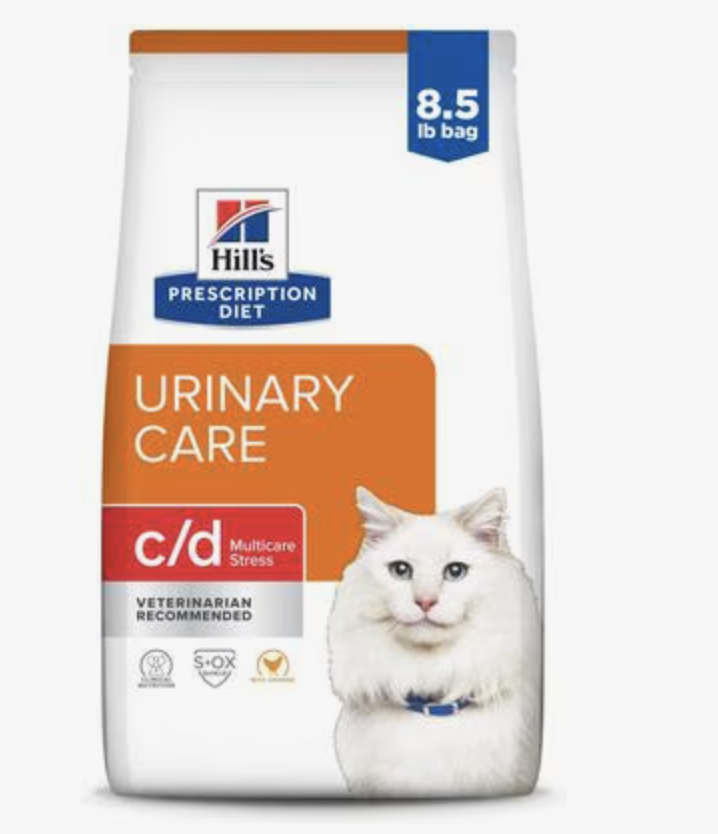
Hill’s Prescription Diet c/d Multicare Stress Urinary Care

Buy at PetSmart

Key Urinary Health Features This veterinary diet requires a prescription and is clinically tested and formulated by Hill’s nutritionists and veterinarians to reduce recurrence of urinary signs by up to 89 percent. It is specifically designed to help dissolve struvite stones in as little as 7 days, though the average is 27 days. It may help promote a urinary environment in your cat’s bladder, reducing the risk of calcium oxalate or struvite crystals. The controlled levels of key minerals are ideal, too.

Pros Potassium citrate may help acidify urine and reduce crystal formation. Designed for lifelong feeding to cats suffering from urinary health concerns. Requires a veterinary prescription because it is a therapeutic strength diet. The 89 percent reduction in recurrence according to Hill’s is a strong point. Easy-to-serve kibble formula.

Cons Some pet parents may balk at the need for a prescription. A bit pricier due to its ingredients and veterinarian-recommended formula. It may not solve all urinary issues, including blockages and stone removal. Some cats may not find it palatable.

Why It Made the List This formula earns the Best Vet-Formulated or Premium Option designation for its combination of clinical research, veterinary endorsement, and proven results in managing urinary conditions. Further, Hill’s c/d Multicare represents the gold standard for cats with diagnosed or recurrent urinary issues, offering precise mineral control and urinary-specific ingredients backed by extensive clinical testing from a leading veterinary nutrition brand.

Best Budget-Friendly Option:

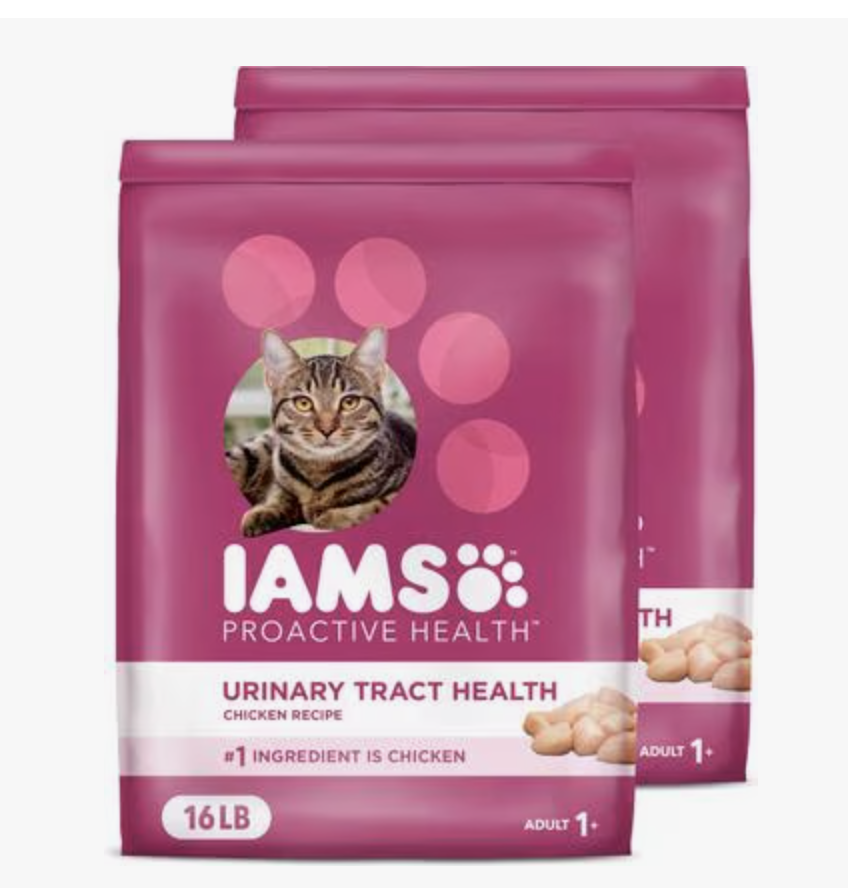
IAMS ProActive Health Urinary Tract Health Adult Dry Cat Food

Buy at PetSmart

Key Urinary Health Features Formulated to reduce urinary pH and promote feline urinary tract health, the IAMS Proactive Health Urinary Tract Health chicken formula is well-priced. It features DL-methionine for urinary acidification support and has chicken as the first ingredient.

Pros Widely available at most retailers and online. High-quality chicken protein from a trusted brand. Convenient dry format makes feeding easier. More affordably priced than others. Contains essential ingredients like calcium and potassium.

Cons It has a lower moisture content than wet food, which isn’t ideal for cats who don’t drink much water. Contains grains such as corn and rice. Does not explicitly disclose the specific mineral levels in each bag.

Why It Made the List This IAMS formula earns its place as the Best Budget-Friendly Option because it makes urinary support achievable for cat parents. It bridges the gap between everyday kibble and costly prescription diets by providing meaningful urinary-tract nutrition and gentle pH balance without the hefty price tag or veterinary authorization.

How We Selected & Evaluated Foods

We used the following criteria when selecting and evaluating each cat food for urinary health on our list: - Mineral content and balance - Ingredient transparency and quality - Moisture content and hydration support - Veterinary involvement or nutritionist input - Real-world feedback and reviews from pet parents - Price point - Accessibility - Need for a prescription or not - Palatability, even for finicky cats

Buyer’s Guide: What to Look For in a Cat Food for Urinary Health

Before you start your cat on a new food, for urinary health or otherwise, it’s always a good idea to speak with your veterinarian or veterinary nutritionist. Here are some other key points to look for: - Low Magnesium Levels - Balanced Urinary pH - Ample Hydration Support - Seek High-Quality Animal Proteins - Smart Sodium & Filler Choices - Transparent Formulas & Reliable Brands - Taste & Feeding Compliance

Pro Tip:

If your cat eats when you are away, consider using an in-home camera to monitor the behavior and the amount eaten.

Consider Prescription Diet

For cats diagnosed with stones, blockages, chronic urinary issues, or recurring infections, non-prescription diets may not be enough. Veterinary-prescribed formulas provide the precise mineral and pH control needed for accurate therapeutic results.

Feeding Tips & Best Practices

Be aware of these time-tested tips and best practices when switching or feeding your cat a diet for urinary health: - Gradual Diet Transition - Encourage More Water Consumption - Monitor the Litter Box

Pro Tip:

Take photos or video of your cat’s litterbox to show your veterinarian.

Caution & When to Consult a Veterinarian

Never second-guess things if your cat seems off, and keep in mind that a diet is not a cure-all for cats with urinary issues. For example, some stones need surgery, infections require antibiotics, and blockages demand emergency treatment.

If your cat strains to urinate, produces little or no urine, cries or is very vocal in the litter box, urinates outside of it, or you see blood, contact your veterinarian immediately. Male cats are especially at risk of life-threatening blockages within 24 to 48 hours.

Final Thoughts On Cat Food For Urinary Health

The right food plays a vital role in your cat’s urinary wellness in helping balance pH, regulate minerals, and support hydration to keep the urinary tract functioning smoothly. It may also reduce the risk of crystals, prevent recurrences, and keep your cat comfortable long term.

However, the best urinary health diet is the one your cat will actually eat every day. Consider their taste preferences, texture likes, health status, and your budget. Cats with a history of urinary issues have different needs than those without, so match the food to your cat’s individual situation. No two cats are alike.

Before switching diets, especially for cats with past or current urinary problems, consult your veterinarian. They can help identify the cause, recommend the right formula, and ensure the diet truly supports your cat’s health and comfort. Here’s to happy, healthy cats everywhere.

Thursday, November 6, 2025

Small Walks Could Help Prevent Alzheimer’s

Small Walks Could Help Prevent Alzheimer’s

Key Takeaways

A modest increase in physical activity can delay early cognitive decline in older adults at risk of Alzheimer's, according to a new study. Adults who got 3,000 to 7,500 steps per day slowed mental decline by three to seven years compared with inactive adults. The findings highlight that small, consistent amounts of physical activity can boost brain health, particularly in people who have been sedentary.

A new study suggests that increasing daily step count, even by small amounts, could slow the onset of cognitive decline in people at risk of developing Alzheimer’s disease. This is encouraging and suggests that even small, consistent increases in daily activity among sedentary individuals may be meaningful for brain health, although clinical trials will be needed to confirm these observational findings, says the first study author, Wai-Ying Wendy Yau, MD, a cognitive neurologist at the Mass General Brigham neurology department in Boston.

How Many Steps a Day Do You Need to Protect Your Brain?

Researchers analyzed health data from about 300 adults between ages 50 and 90 whose brain scans revealed early biological markers of Alzheimer's disease. At the beginning of the study, they wore pedometers over four to seven days to measure daily steps. At that time, none displayed any symptoms of cognitive impairment.

Over a follow-up of up to 14 years, researchers assessed participants periodically with cognitive tests. Participants also underwent brain imaging to monitor for the buildup of proteins known as beta-amyloid and tau that are connected to Alzheimer's disease progression.

The results showed that participants who began the trial with high levels of beta-amyloid experienced less cognitive decline if they were more physically active. Participants who engaged in low or moderate levels of physical activity had a lower risk of cognitive decline up to 54 percent lower than participants who reported being inactive.

Here’s what the team found:

  • In people who walked 3,000 to 5,000 steps per day, cognitive decline was delayed by three years on average.
  • In people who walked 5,000 to 7,500 steps per day, cognitive decline was delayed by an average of seven years.
  • More than 7,500 steps didn’t appear to make a difference in slowing cognitive decline.
  • People with a sedentary lifestyle had a significantly faster buildup of tau proteins in the brain, and quicker declines in cognition and daily functioning.

Notably, compared to sedentary individuals, or those who took less than 3,000 steps per day, even modest activity levels were associated with slower tau accumulation and cognitive decline, with the biggest gains seen at moderate activity levels 5,001 to 7,500 steps per day or above, says Dr. Yau. She adds that this pattern is consistent with previous research.

One potential study limitation is that researchers only measured participants’ physical activity once, at baseline, using pedometer-measured step counts over four to seven days. They did not collect data over the course of the week on factors such as exercise intensity.

The results of the association analyses must be interpreted with great caution, says Martin Burtscher, MD, PhD, a professor of sports science at the University of Innsbruck in Austria who has researched the relationship between exercise and longevity, including age-related cognitive decline, who was not involved in the current study.

The Link Between Exercise and Brain Changes That Lead to Cognitive Decline

Researchers have established that people at risk of developing Alzheimer’s disease typically show an elevated buildup of amyloid-beta and tau proteins in the brain.

While recent research has suggested that increased physical activity in cognitively normal people with elevated amyloid levels is linked to slower cognitive decline, experts have still been trying to understand whether this association could be related to changes in amyloid or tau protein over time.

By using direct measures of amyloid and tau in the brain, rather than cognitive symptoms, Yau says this latest study was able to clarify that the physical activity benefits associated with slowed cognitive decline were not attributed to differences in amyloid buildup but rather connected to slower rates of tau protein buildup.

Higher step counts were associated with slower accumulation of tau, the protein most closely tied to cognitive symptoms which largely accounted for the association with slower cognitive decline, she explains.

Taking Steps to Improve Cognitive Health

Dr. Burtscher says that while the latest findings aren't necessarily surprising given previous associations between regular physical activity and improved physical and mental health, they’re key for underscoring a more attainable physical activity goal particularly for sedentary individuals.

What impressed me most is the dose-response, Burtscher says. Cognitive decline hit a plateau at a moderate level of physical activity, or 5,001–7,500 steps per day. This is a relatively easy daily amount of physical activity to achieve.

While getting your daily steps in can support brain health, Burtscher suggests that slightly higher walking intensities should be undertaken occasionally, along with strength and coordination training. To enjoy good health in old age, it is probably more likely that higher daily activity levels, such as perhaps over 10,000 steps for cancer prevention, will be required, he adds.

What’s Next for Alzheimer’s Prevention Research

The study authors say clinical trials are still needed to prove that walking, rather than other behaviors, is responsible for the slowed rate of cognitive decline. They also say additional research is needed to better understand the specific aspects of physical activity such as duration, intensity, or daily patterns that go into supporting long-term brain health.

Yau says she hopes the findings will motivate people to make small, sustainable changes to increase their physical activity to potentially improve brain health.

For people who are currently sedentary, every additional step counts, she says. Setting modest and realistic goals, such as standing up and walking during TV commercials, parking a little farther away, or catching up with a friend on a walk instead of sitting down, can help increase activity in simple, sustainable ways.

Friday, October 3, 2025

Online threats target key climate diet report

Online threats target key climate diet report

A Major Scientific Update on Healthy and Sustainable Diets

A significant scientific update to one of the most influential food and planetary health reports in recent years is currently facing a coordinated misinformation campaign. The EAT-Lancet Commission, an independent scientific body collaborating with the prestigious British medical journal The Lancet, has released a major revision of its 2019 report on diets that are both healthy for people and the planet. This updated report emphasizes the importance of incorporating a diverse range of nuts, legumes, whole grains, fruits, and vegetables into daily meals while significantly reducing meat, dairy, and sugar consumption.

This message, which seems straightforward, has been widely accepted by global health and environmental experts. According to Johan Rockström, co-chair of the commission and director of the Potsdam Institute for Climate Impact Research, food systems account for roughly 30% of global greenhouse gas emissions. New research from over 35 countries across six continents highlights how integrating healthy foods into dietary guidelines, addressing food loss and waste, choosing local products, and adopting sustainable agricultural practices can reduce environmental stress and cut emissions by more than half. These changes could also prevent up to 15 million premature deaths annually.

"By uniting the latest science on health and climate, it shows that what we put on our plates can save millions of lives, cut billions of tons of emissions, halt the loss of biodiversity, and create a fairer food system," Rockström stated.

A Coordinated Campaign Against the Planetary Health Diet

Despite the widespread acceptance of the "planetary health diet"—which was cited over 10,000 times since its initial release in 2019—this message has not been well-received in online communities that promote meat-centered diets as natural, essential, and environmentally friendly. The original report faced a surge of misinformation on social media, including misleading or biased content that undermined its findings.

An investigation by the Changing Markets Foundation revealed that a "targeted and coordinated campaign" involving industry-friendly scientists, doctors, health influencers, journalists, and authors aimed to discredit the 2019 EAT-Lancet report and its sustainability research. Critics portrayed the report as "dangerous, elitist, and anti-science." Maddy Haughton-Boakes, a senior campaigner at Changing Markets, noted that much of the backlash initially appeared organic but was later found to be orchestrated.

She explained that "mis-influencers" used similar wording and hashtags like #Yes2Meat, #MeatHeals, and #ClimateFoodFacts to promote the benefits of meat consumption. With rising food prices and geopolitical instability, there are signs that this latest report may face similar resistance.

Social Media and AI Fueling Misinformation

Haughton-Boakes pointed out that the weakening of fact-checking mechanisms and safeguards against misleading information on platforms such as X, Instagram, and Facebook have contributed to the spread of misinformation. The rise of AI tools has further accelerated the distribution of fake news, deepfake videos, and convincing images.

Jose Henrique Bortoluci, a sociologist with the Paris-based Geopolitical Studies Group, and Emmanuel Guerin, a fellow at the European Climate Foundation, highlighted how the relative freedom of social media has created an environment where climate disinformation thrives. They emphasized that opportunistic individuals and groups have mastered the art of imitating expertise or undermining it through the rise of pseudo-experts and think tanks that discredit climate science.

In an email to DW, Bortoluci stressed the need for social media platforms to be regulated similarly to broadcast media and advertising. He argued that no individual or institutional effort can limit the spread of fake news unless platforms themselves take responsibility for tackling the issue.

Reclaiming the Emotional Narrative

Rockström expressed concern about the resurgence of misinformation and climate denialism but emphasized that the new report is equipped to withstand these challenges. He clarified that the planetary health diet is not a one-size-fits-all approach, countering a common misinterpretation of the 2019 report.

Walter C. Willett, professor of epidemiology and nutrition at Harvard T.H. Chan School of Public Health, noted that the planetary health diet aligns with many traditional diets worldwide. To connect with people, the report will feature a series of images showcasing examples of this healthy meal plan on its website. This initiative aims to reclaim the "emotional narrative" that has been distorted by misinformation.

"[The pictures] make the case that this is not a deprivation diet that we're talking about," said Willett. "This is something that could be delicious, aspirational, and healthy."

Thursday, October 2, 2025

Is Crystal Light Harmful? Pros, Cons, and Answers

Is Crystal Light Harmful? Pros, Cons, and Answers

Understanding Crystal Light: Ingredients, Benefits, and Considerations

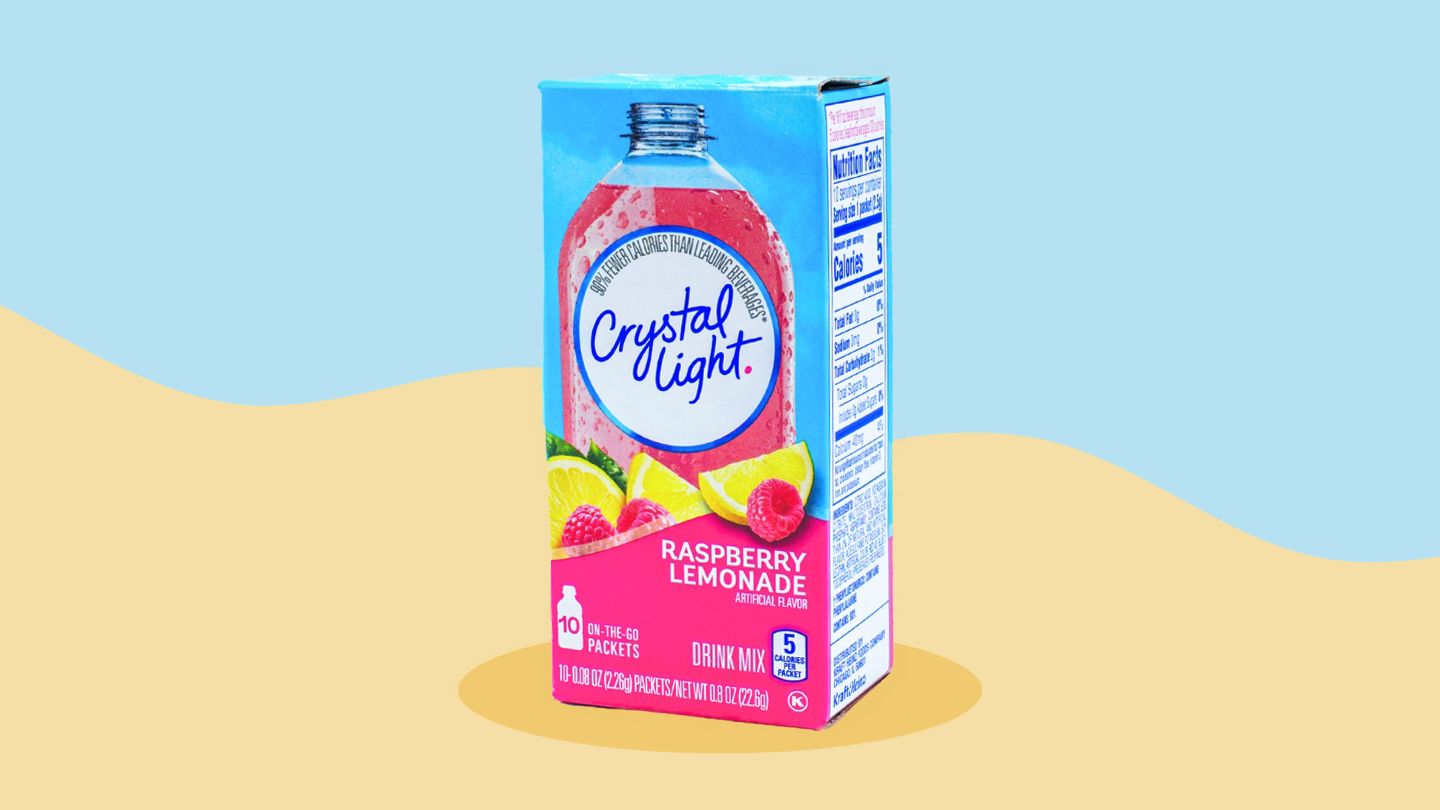
Crystal Light is a popular brand of beverages that come in a variety of flavors. These drinks are known for having little or no calories and containing zero sugar and fat. While it may help reduce added sugar intake, Crystal Light does not provide essential nutrients. This article explores the pros, cons, and facts related to Crystal Light and its impact on health.

Ingredients and Nutrition

Crystal Light comes in many varieties, but the basic ingredients typically include citric acid, potassium citrate, maltodextrin, calcium phosphate, and acesulfame potassium, as listed by the U.S. Food and Drug Administration (FDA). Some versions also contain small amounts of natural and artificial flavors, soy lecithin, and artificial color.

Here's a breakdown of the main ingredients:

  • Citric acid: A naturally occurring substance used as a preservative and flavoring agent.
  • Potassium citrate: A form of the mineral potassium used as a preservative.
  • Acacia gum: Used as a thickening and stabilizing agent.
  • Potassium sorbate: A preservative.
  • Sucralose: An artificial sweetener.
  • Aspartame: Another artificial sweetener.

All these ingredients are approved by the FDA and considered generally recognized as safe (GRAS).

The nutritional content of Crystal Light varies depending on the type you're drinking. According to the FDA, a packet of the beverage contains:

  • Calories: 5
  • Total fat: 0 grams
  • Cholesterol: 0 milligrams
  • Sodium: 35 mg
  • Total carbs: 0 grams
  • Dietary fiber: 0 grams
  • Sugar: 0 grams
  • Protein: 0 grams

While Crystal Light may not be the most nutritious choice, it can be a better option than calorie- and sugar-rich drinks if used as a replacement.

Crystal Light and Weight Management

Each 8-ounce glass of a Classic line Crystal Light drink has about 5 calories and no sugar, according to FoodData Central. This makes it a good alternative to sugary sodas and juices.

Replacing high-calorie and sugar-laden drinks with Crystal Light could aid weight loss by reducing overall calorie intake. The refreshing flavor of Crystal Light can also help with hydration, which may prevent misinterpreting thirst as hunger, as noted by the Cleveland Clinic.

However, while Crystal Light has few calories and no sugar, its artificial additives might affect weight management. Lisa Young, PhD, RDN, author of Finally Full, Finally Slim, notes that while Crystal Light itself likely won't cause weight gain, people often compensate for saved calories by consuming more high-calorie foods. Additionally, the intense sweetness of artificial sweeteners might lead to cravings for sweet foods.

Is Crystal Light Safe to Drink, and Does It Have Any Side Effects?

Two main ingredients in Crystal Light have raised concerns: artificial colors and artificial sweeteners like sucralose and aspartame. Although the FDA considers them safe, there is ongoing research both supporting and questioning their use.

For those looking to avoid additives, Crystal Light Pure offers a version without artificial sweeteners, flavors, or preservatives. It uses sugar, dried corn syrup, and stevia leaf extract instead of aspartame. However, it's still a processed beverage, so healthier options are available.

Artificial Colors

Crystal Light contains artificial colors such as yellow 5, red 40, and blue 1. The FDA reports that some individuals may have allergic reactions to these additives, though this is rare. Studies suggest potential links between artificial food dyes and issues like behavioral problems in children and autoimmune disorders. In 2025, the FDA encouraged manufacturers to phase out petroleum-based dyes due to health concerns.

Artificial Sweeteners

Artificial sweeteners can help reduce calorie intake, but some experts warn they might lead to overeating high-calorie foods. They can also alter taste perception, making naturally sweet foods less appealing. Research has linked artificial sweeteners to side effects like headaches and depressive symptoms.

Special Conditions and Dietary Considerations

Crystal Light is generally safe for healthy adults in moderation, but certain conditions and diets require careful consideration.

Diabetes

Alternative sweeteners like aspartame do not affect blood sugar levels. However, sucralose has been linked to reduced insulin sensitivity, though more research is needed. Stevia, found in some products, may help lower blood pressure and blood sugar in people with diabetes.

Phenylketonuria

People with phenylketonuria cannot properly metabolize phenylalanine, an ingredient in aspartame. Therefore, aspartame can be harmful to them.

Kidney Disease

Crystal Light is a suitable alternative to sugary beverages for those with kidney disease. It can encourage fluid intake when mixed with water.

Dyskinesia, Sleep Disorders, and Anxiety Conditions

The Mayo Clinic recommends limiting aspartame if you have conditions like tardive dyskinesia, sleep disorders, or anxiety. Those taking certain medications should also be cautious.

Pregnancy

Hydration is crucial during pregnancy, and Crystal Light can be a hydrating, low-sugar option. However, some studies suggest a possible link to preterm birth or increased infant size, though it is still considered safe in moderation.

Keto Diet

Crystal Light has no sugar and few carbs, making it potentially suitable for a keto diet. However, some people report headaches from artificial sweeteners, so individual responses may vary.

Fasting

Some people use artificially sweetened drinks during fasting. However, the Cleveland Clinic advises avoiding artificial sweeteners during fasting due to limited research on their effects.

Alternatives to Crystal Light

There are many alternatives to Crystal Light that are free from artificial additives. Options like kombucha, flavored water, coconut water, and sparkling water with citrus can provide hydration and flavor without artificial ingredients. Making homemade flavored water with fresh fruits and natural sweeteners like erythritol is another great option.

Conclusion

Crystal Light can be a useful tool for reducing calorie and sugar intake, but it’s important to consider its ingredients and potential effects. For those seeking healthier alternatives, there are numerous options available that offer better nutrition and fewer additives. Always consult with healthcare professionals for personalized advice.

Creating a Home Routine for Mind and Body Wellness

Creating a Home Routine for Mind and Body Wellness

The Importance of a Balanced Home Life

Most of the habits that you have start at home. It’s the way that you set up your home life, use your time, and look after yourself, and it all has a big impact on how you feel every day. It doesn’t take a lot to get a balance in your home life. Let’s have a look at this more below:

Start With Your Sleep Environment

Sleep is really important when it comes to wellness, and your bedroom needs to reflect that. Making a few small changes can change your night’s rest. Keep screens out of reach and lower the lighting before you go to bed. Also, look at your bedding; you need to have bedding that is comfortable all year round. Blackout curtains and a white noise machine can also help you regulate your sleep environment.

Designate Spaces for Relaxation

In most homes, there are spaces that are for cooking, eating, and working, but not everyone thinks about leaving space to just chill out. Even just setting up a little corner somewhere in your house with a cushy chair can morph into somewhere where you sit and sit and start to chill. When you give yourself a place like this, the goal is for rest. Over time, simply sitting down in that spot can help you lower your stress levels.

Build Movement Into Your Day

A healthy routine is always going to include some movement, but that does not mean that you have to be doing long workouts (not all the time anyway). Short, regular sessions often fit in better than having to fit in a long one into a busy day. An early morning stretch, a walk after lunch, or a couple of minutes of yoga in the evening are very conducive to keeping your body nice and active. If you work from home as well, this is even more vital because you don’t have the usual commute to naturally get out and about.

Nutrition Made Simple

When it comes to eating healthy, your kitchen is definitely somewhere where you can either thrive or it can turn into a disaster. You need to try to stock your pantry and fridge with whole foods to make it much easier to put together balanced meals without having to put in a lot of effort. Fresh produce and lean proteins are basic, but they are great for starting to build a basic, healthy diet that you are actually able to stick to. Meal prepping one or two times a week can also save you many hours and reduce stress, especially if you have a busy routine.

Incorporating Mindfulness

Mindfulness doesn’t always mean long meditation sessions; it can just be as simple as taking a little break before you have a meal, breathing deeply when you feel like you are stressed, or paying attention to daily activities like washing dishes. Doing small things like these can quickly add up and lead to you feeling more well-rested, at peace, and all support your body and mind.

Exploring Natural Supports

Many people use natural aids to complement their routines, too. Calming supplements and herbal teas are all common tools for relaxation. Some also choose to use CBD for stress or sleep support. If you choose to explore this option, sourcing matters; a trusted dispensary ensures quality and guidance, which makes a difference when it comes to buying products that are sold from less reputable places. The goal is never to rely on one single solution, but to start including different ways to support yourself in your balanced lifestyle.

Keeping Tech in Its Place

Technology does connect us, but it can also be something that is extremely overwhelming when you spend too much time on a screen. This can be even worse when you are using your phone before bed. It disrupts your sleep and increases your stress levels. It is important to have healthy limits for things like technology. Most people already use it all day for work, so home should be somewhere you switch off from it, even if it is just for a while. You may even want to spend a day or half a day without screens; even just a few hours offline can help to reset and focus you.

Creating a Morning Routine

How you begin the day often sets the tone for everything else that follows. A good morning routine does not need to be something that is really complicated or take up a lot of your time. Just make sure you get yourself some water, have a stretch, and take a few minutes to think about your day before you start doomscrolling or stressing yourself out. Just that you’re taking a learning lead toward developing something slightly more of a normal beginning to your day than jumping straight into your email or social-networking profile, take a few minutes to acknowledge your body and your priorities before everything grabs you in a million different directions.

Staying Social in Healthy Ways

Wellness isn’t just physical; it’s also about connection. Even at home, it is possible to keep your relationships extremely strong. Put a time to one side for family dinners, regular calls with your friends, or doing shared hobbies. These types of interactions give you balance and help guard you against isolation, especially when routines feel repetitive. If you live with others, fruit shed rituals such as having a Sunday breakfast or evening walks help to strengthen your family bond and also give you something to look forward to.

Conclusion

A supportive home routine does not happen straight away; it is going to take you a little bit of time. However, by making a few small and simple choices from your sleep and movement to your nutrition, mindfulness, and even looking at natural ways to support your body, each one is going to help support and grow your overall wellbeing. Is there anything that you do to support your mind and body through your home routine? Let us know in the comments below.

Tuesday, August 26, 2025

5 Foods Women Over 50 Should Eat for Anti-Inflammation, Per Dietitians

5 Foods Women Over 50 Should Eat for Anti-Inflammation, Per Dietitians

Featured Image

Foods to Support Healthy Aging After 50

As you move into your 50s, maintaining a healthy lifestyle becomes increasingly important. This stage of life often brings changes such as hormonal shifts, increased risk of chronic inflammation, and the need for better support for brain, bone, and muscle health. Fortunately, incorporating specific nutrient-rich foods into your diet can make a significant difference in how you feel and function as you age.

The Top Five Foods for Healthy Aging

1. Berries

Berries like blueberries, blackberries, strawberries, and raspberries are packed with antioxidants that help combat inflammation and support cognitive health. These fruits are easy to add to meals or snacks, making them a convenient choice for busy lifestyles. They are also a key component of the MIND diet, which is designed to protect against cognitive decline. With two out of three Americans experiencing some form of cognitive decline by age 70, including berries in your diet can be a proactive step toward preserving brain function.

2. Beans

Beans contain compounds such as peptides, polyphenols, and saponins that have anti-inflammatory properties. They are also high in fiber, which supports gut health and can help manage menopause-related digestive issues. A single cup of black beans provides about half of your daily fiber needs and offers plant-based protein that helps prevent muscle loss as you age. Whether eaten as a side dish, in salads, or as part of a stew, beans are a versatile and nutritious addition to any meal.

3. Dark Leafy Greens

Dark leafy greens such as spinach, kale, watercress, and bok choy are rich in vitamins A, C, E, and K, along with powerful polyphenols and other phytochemicals that help reduce inflammation and oxidative stress. These greens are also an excellent source of calcium, magnesium, and potassium, which are essential for maintaining strong bones during menopause. For those who find it challenging to eat traditional salads, adding dark leafy greens to smoothies can be an easy way to boost your intake.

4. Salmon

Salmon is one of the best sources of omega-3 fatty acids, which are known for their anti-inflammatory effects. Including salmon in your diet can support heart health, reduce joint stiffness, and help preserve brain function. It’s also a great source of vitamin D and high-quality protein, both of which are crucial for maintaining muscle mass and bone strength. Creative ways to enjoy salmon include making homemade poke bowls or using it in stir-fries.

5. Nuts

Nuts are a powerhouse of nutrients, offering antioxidants, healthy fats, and minerals such as magnesium and selenium. Almonds and walnuts are particularly effective at reducing inflammation, while Brazil nuts are known for their ability to lower oxidative stress. For those who don’t consume fish, walnuts provide a valuable source of omega-3 fatty acids. Nuts make for a convenient and satisfying snack that can be enjoyed on the go.

Additional Tips for Healthy Aging

In addition to dietary changes, there are several other lifestyle factors that contribute to healthy aging:

  • Stay active: Regular physical activity helps prevent chronic diseases, reduces the risk of falls, and supports muscle and bone health. Incorporating a mix of cardio, strength training, balance exercises, and stretching into your routine can maximize benefits.
  • Socialize: Maintaining meaningful relationships and staying socially engaged can improve mental health and reduce the risk of chronic illness.
  • Prioritize sleep: Quality sleep is essential for overall health, helping to lower disease risk and improve mental and physical functioning.
  • Get regular checkups: Routine health screenings and vaccinations play a vital role in preventing illness and managing existing conditions.

By combining these dietary and lifestyle strategies, you can take proactive steps toward aging well and maintaining your overall health. Making small, consistent changes can lead to long-term benefits, ensuring that you enjoy a vibrant and active life well into your later years.

Thursday, August 21, 2025

A Year at a $25K Wellness Club: What the Elite Know About Health

A Year at a $25K Wellness Club: What the Elite Know About Health

Featured Image

A New Approach to Wellness

Health is an investment, and at Love.Life, a new wellness center co-founded by former Whole Foods Market CEO John Mackey, it’s a pricy one — between $7,500 and $25,000 per year. When I was invited to check out the facility and get a complimentary health assessment as part of a press visit, I felt like I was getting a taste of how the wealthy do wellness — all without spending a dime.

Love.Life is just one of many wellness-focused facilities popping up around the country, and it comes at a time when preventive care is a major health focus. You’ve probably seen celebrities like Kim Kardashian getting full-body MRIs and other concierge medical services. Data-driven approaches to wellness are all the rage, and places like Love.Life are answering the call.

What $25K Gets You

According to its website, Love.Life’s goal is to “inspire and empower individuals to retake control of their health and achieve transformative, lasting results through evidence-based care and personal accountability.” It boasts a “supportive community and compassionate care team that meets individuals where they are on their personal health journey.”

It’s part concierge doctor, part gym, part spa — designed to be a one-stop shop for meeting your holistic health needs. The space, located in an outdoor mall in El Segundo, Calif., is massive. In addition to its physician facilities, there’s a pickleball court and high-tech strength equipment on the gym floor. There’s also a slew of different longevity treatments for members to use, from red light therapy beds and lymphatic drainage suits to cold plunge tubs and individual infrared saunas. Not a member? There’s also a cafe that’s open to the public and serves up healthy food options. (Vegetarian alternative to bone broth, anyone?)

But forget cafes anyone can enter: I was there to cosplay as someone who could afford to drop thousands a year out of pocket on her health. After all, access to all Love.Life has to offer is expensive. While the fitness and recovery membership ($4,600 per year) offers gym and recovery treatment, it doesn’t come with medical care. The lowest-tiered level for that option — the $7,500 per year Silver membership — comes with credits for the above-mentioned longevity treatments, plus advanced lab panel testing, a DEXA bone density scan, a cardiac screening and a gut and oral microbiome test. Also included are five appointments with a physician per year, access to an accountability coach and a nutritional consultation.

The highest level — the $25,000 platinum membership — tacks on a Prenuvo full-body MRI, a 10-day wear of a glucose monitoring device, 10 practitioner appointments and something called “spiritual health programming,” which involves meeting with a spiritual intelligence coach for an hour to create a growth plan that aligns with your wellness goals. As part of my free visit, I’d have my blood drawn for a complete lab workup, do a DEXA scan and have a longevity assessment on the gym floor with a trainer.

22 Vials of Blood, a DEXA Scan and a Fitness Assessment

Love.Life believes the more you know about your health, the more equipped you are to tackle any challenges associated with it. I, too, love information — and as someone who writes about health and wellness for a living, I have more access to it than some. Earlier this year, I got a full-body MRI through SimonMED, hoping to learn more about what’s going on in my body. (I learned I should get a follow-up head MRI with contrast to follow up on some surprising findings; insurance is still pending.) I also wear an Oura ring and religiously track my steps, sleep and “readiness” via its metrics. Needless to say, I didn’t blink when Love.Life said they’d need 22 vials of my blood for the panel. I’d happily bleed for the sake of better health!

Love.Life’s holistic approach meant a half-day of assessments. First, a phlebotomist drew those 22 vials of blood from me (though lab results would take weeks). The DEXA body composition scan I did gave me more immediate results. Despite prioritizing my spin bike over weight training recently, the scan showed that I hadn’t lost a significant amount of muscle like I’d feared.

I was less thrilled by my lackluster results during the longevity assessment on the gym floor: While I hit the normal markers on almost every assessment (I wanted exceptional, obviously), I totally flubbed the farmer’s carry. Curse you, grip strength.

But the best part of the visit? After my bloodwork was done, I was handed a smoothie (to make sure I didn’t pass out) and sat down with Dr. Jaclyn Tolentino, the lead functional medicine doctor at Love.Life. For more than half an hour, Tolentino and I discussed my health concerns: What were some pressing issues I was facing physically and mentally? How was my nutrition? My sleep? Stress levels? Did I take supplements?

As a fairly healthy person, I didn’t have many issues to bring up, but I did note that I occasionally had headaches from low blood sugar and needed to keep my cholesterol in check, as I have a family history on that front. And I mentioned I was relieved to see my DEXA scan confirmed I was keeping muscle tone, given I had slacked a bit on resistance training lately.

Tolentino listened carefully and suggested how Love.Life might be able to help. Here, you don’t just have a doctor, you have a care team that’s as invested in your health as you are. My bloodwork would be sent to a range of experts who would come up with a holistic plan to address all my health needs. That blood sugar issue? Maybe I could consider trying a glucose monitor. Tolentino added that a personal trainer could help create a realistic, sustainable resistance training plan, which a nutritionist would ensure was properly fueled.

Putting All That Data to Use

When my bloodwork results came back weeks later, I did an hour-long video call with Tolentino to discuss them. Tolentino went through each significant finding and explained, in detail, what it meant. Hormonal levels that appeared elevated, she said, were a result of the birth control pill I’m on and nothing to worry about. My iron levels, however, were something that should be addressed. Tolentino recommended taking a daily supplement and checking these levels again in six months. She noted that a Love.Life nutritionist could also help make sure my diet has enough iron.

All of this is a far cry from how I experienced medicine in the past. I’ve been frustrated with doctor visits that only cover one issue at a time. I could bring up my sore throat during an appointment, but sorry, no mentioning that secondary ear issue without a follow-up visit, thanks to insurance billing issues and doctors on a time crunch. All I hear is: a second copay. Another hour off work. The sense that it might be easier and cheaper not to dive that deep into any health concerns. After all, there’s a reason I haven’t made that follow-up head MRI appointment.

But at Love.Life, I had the luxury of time, and I didn’t have to worry about insurance drama. I didn’t have to choose which medical issue was the most pressing to bring up. I felt heard by Tolentino, and encouraged to share as much as possible. The different parts of our bodies all function together. Shouldn’t they be treated as a whole?

The Catch

Yet it’s impossible to talk about Love.Life without acknowledging the so-called elephant in the room: the cost. Love.Life charges membership fees that are out of range for most Americans. Health care providers who have an hour to listen to your needs? That’s a luxury service.

It’s also worth noting that Love.Life can’t do everything, like, say, do a liver biopsy. Instead, its high cost comes with the pledge that it may (emphasis on may, of course) be able to prevent disease and allow you to live a happier, healthier existence. And while lifestyle interventions are crucial in order to protect against certain diseases — such as diabetes and heart disease — they’re certainly easier to achieve when you have the luxury of a care team at your beck and call.

That said, the information I received from Love.Life did help me make some significant lifestyle changes. I’m now taking an iron supplement, but also being far more diligent about getting iron from nutritional sources, like leafy greens, tofu and nuts. And I’m also back to taking mid-afternoon walks: Tolentino informed me that my vitamin D levels were down a bit, and said that getting some sunshine during that time of day can be a great way to boost them.

Overall, these changes are simple and low-cost — no membership fee required. Still, if I hadn’t gone to Love.Life, I may not have felt compelled to take these health markers quite so seriously. While I won’t be paying for a membership (in this economy?!), I do now feel more confident to tackle these challenges on my own.