Monday, November 24, 2025

22 Winter Dinners for a Healthy Gut and Weight Loss

22 Winter Dinners for a Healthy Gut and Weight Loss


Winter is the perfect time to cozy up with hearty, nourishing meals that support your overall well-being. These recipes are designed to bring warmth and comfort while also promoting gut health and digestion. They feature ingredients like garlic, mushrooms, and beans, which are known for their beneficial effects on the digestive system. Each dish contains at least 6 grams of fiber and/or 15 grams of protein, and is under 575 calories per serving. This makes them ideal choices for those looking to maintain a healthy weight or simply enjoy satisfying, light meals during the colder months.

Creamy Spaghetti with Brussels Sprouts
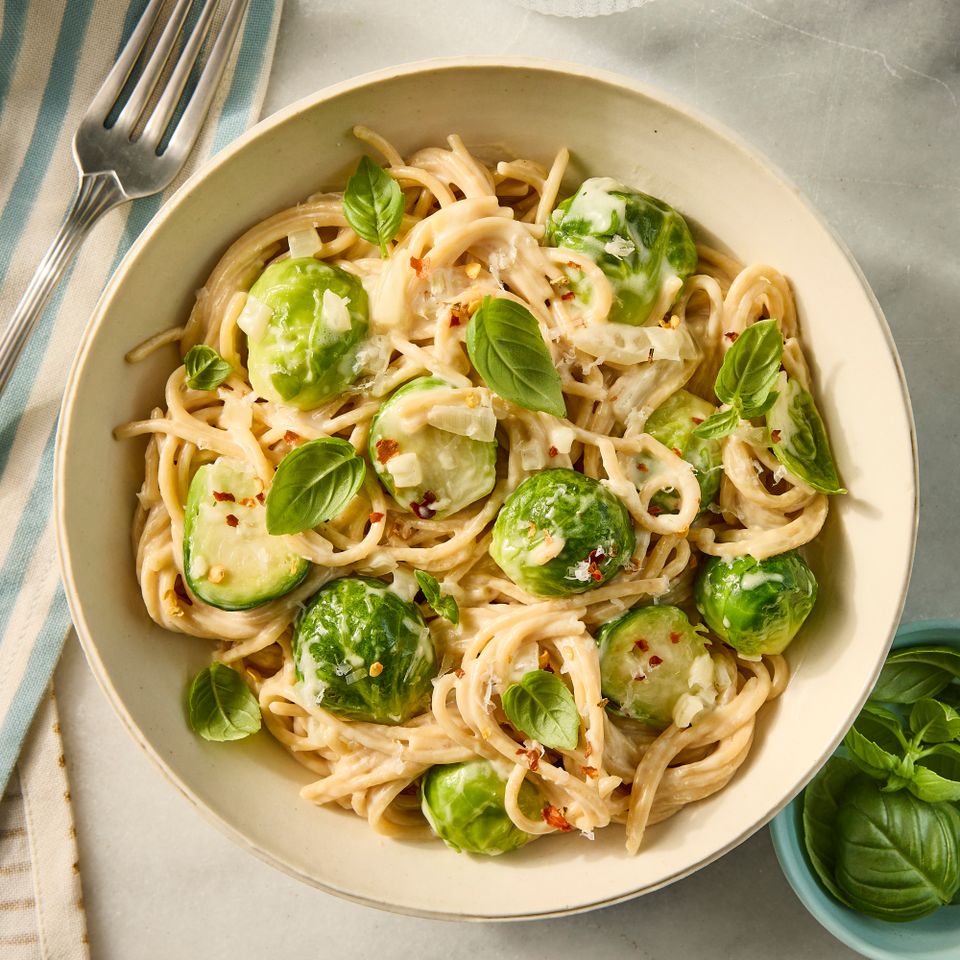

This one-pan dish starts with pasta that simmers in broth, creating a rich, starchy base. It’s then coated in a creamy Asiago sauce with a hint of red pepper for a subtle kick. The addition of caramelized Brussels sprouts and shallots brings a sweet, earthy depth, while fresh basil adds a bright finish. It’s a simple yet flavorful meal that’s perfect for a busy weeknight when you’re craving something comforting.

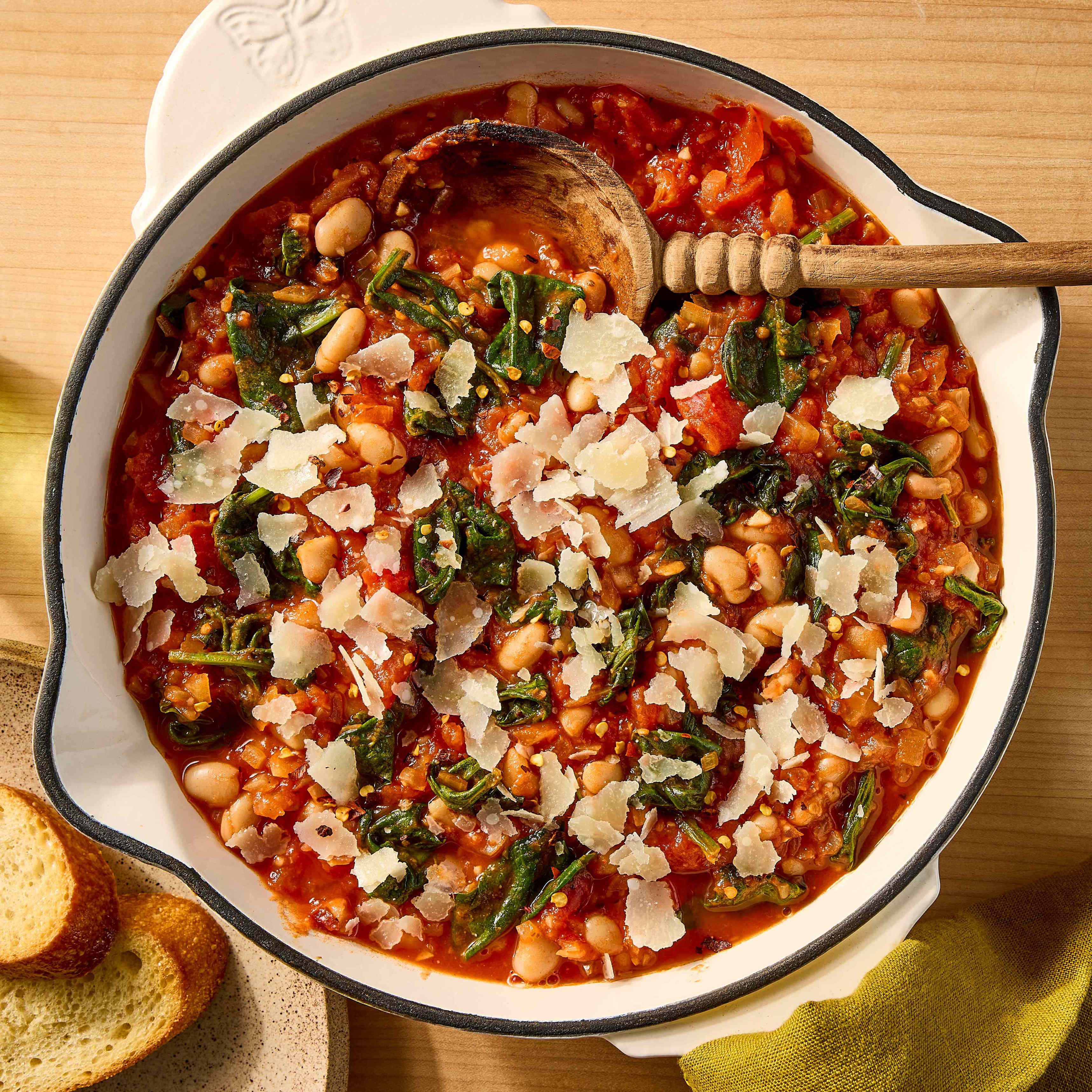
White Bean Skillet
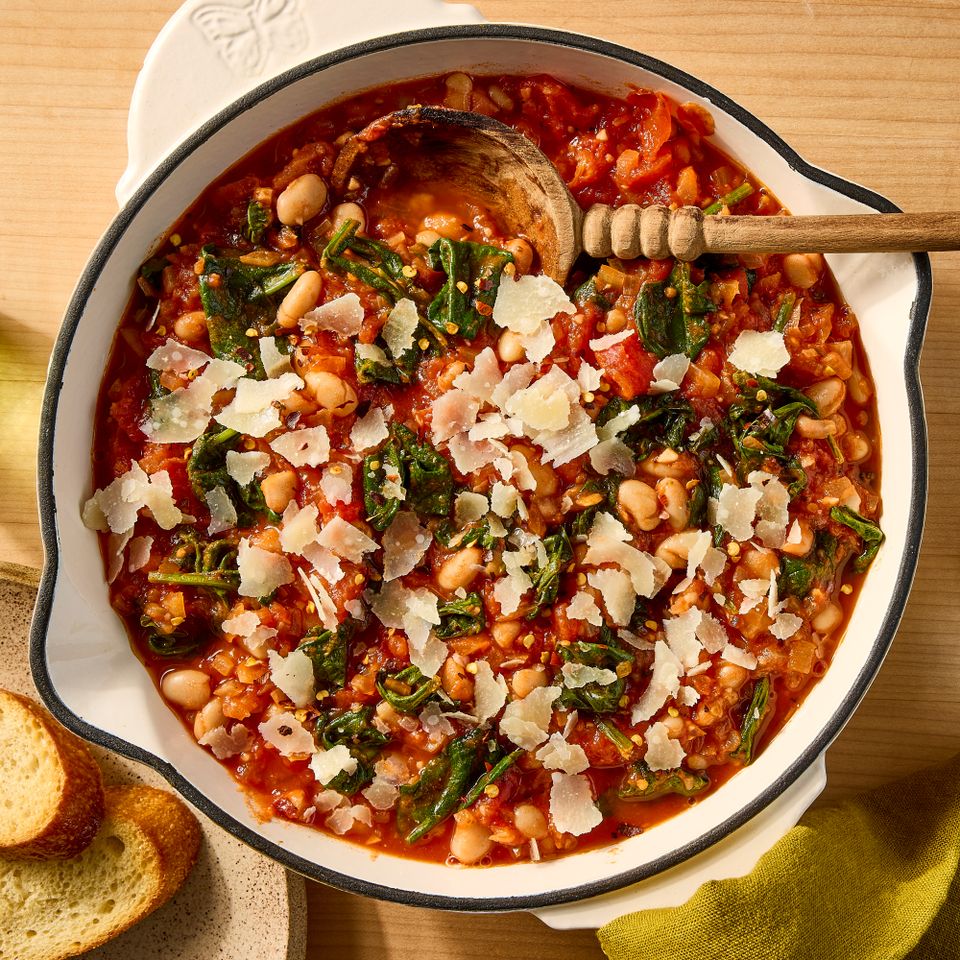

A savory blend of sweet onions, tomatoes, and garlic forms the foundation of this dish. Creamy white beans are added for a hearty texture, and a handful of spinach brings freshness and color. A sprinkle of Parmesan cheese ties everything together with a salty richness. Served with toasted whole-wheat baguette slices for dipping, it’s a quick and satisfying dinner that’s great for both weeknights and weekend suppers.

Lemon-Turmeric Cabbage & White Bean Soup
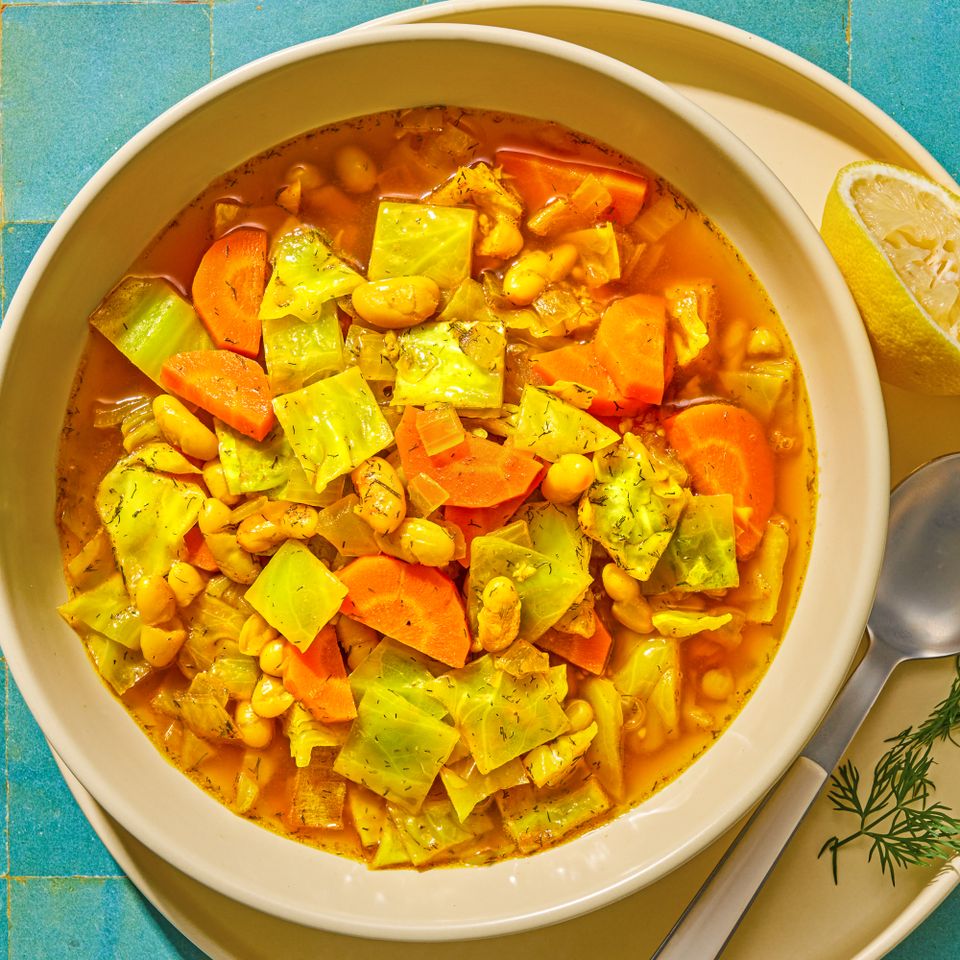

This soup combines tender cabbage and creamy cannellini beans with aromatic spices like turmeric and lemon. The tangy brightness of lemon juice lifts every spoonful, making it a light but deeply satisfying dish. It’s an easy recipe that’s perfect for a cozy weeknight meal.

Chickpea Casserole with Spinach & Feta
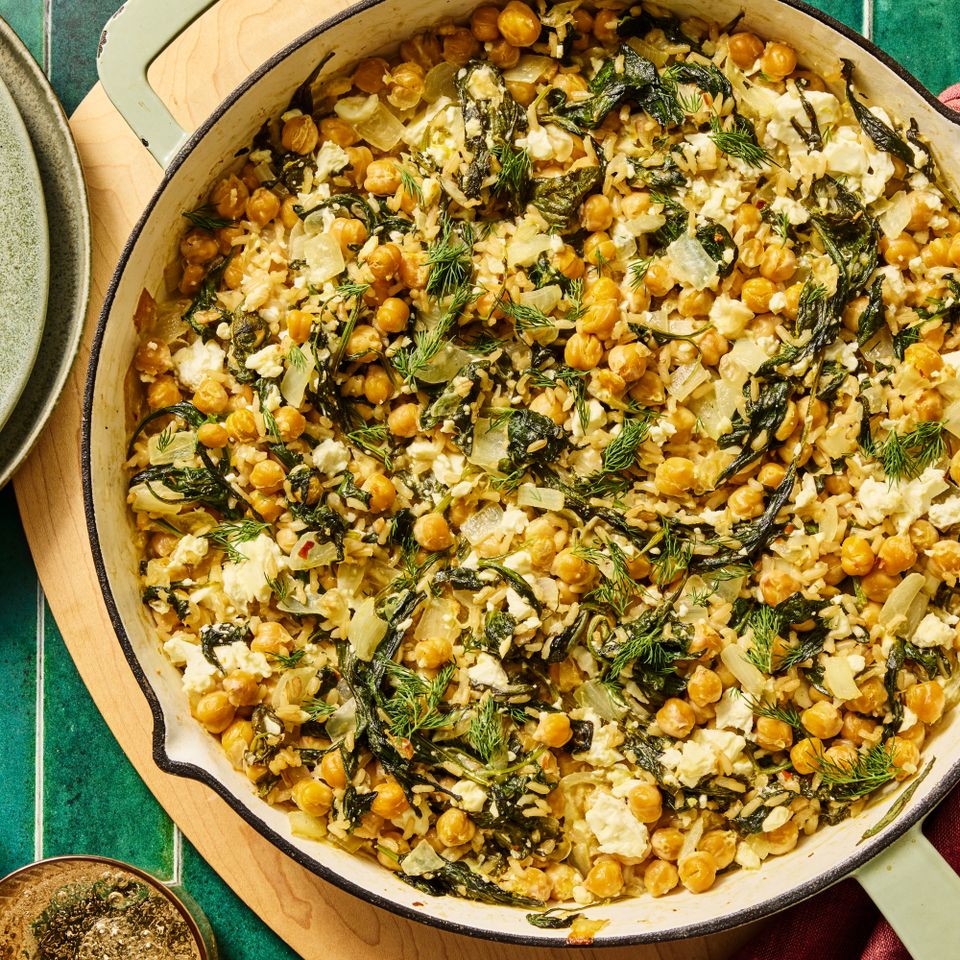

This casserole blends tender spinach, chickpeas, and brown rice with a touch of cream cheese and tangy feta. Fresh dill, nutmeg, and lemon juice add layers of flavor, while a hint of red pepper introduces gentle heat. Baked until bubbly and topped with lemon zest, it’s a comforting and vibrant dish that’s sure to please.

Marry Me White Bean Soup
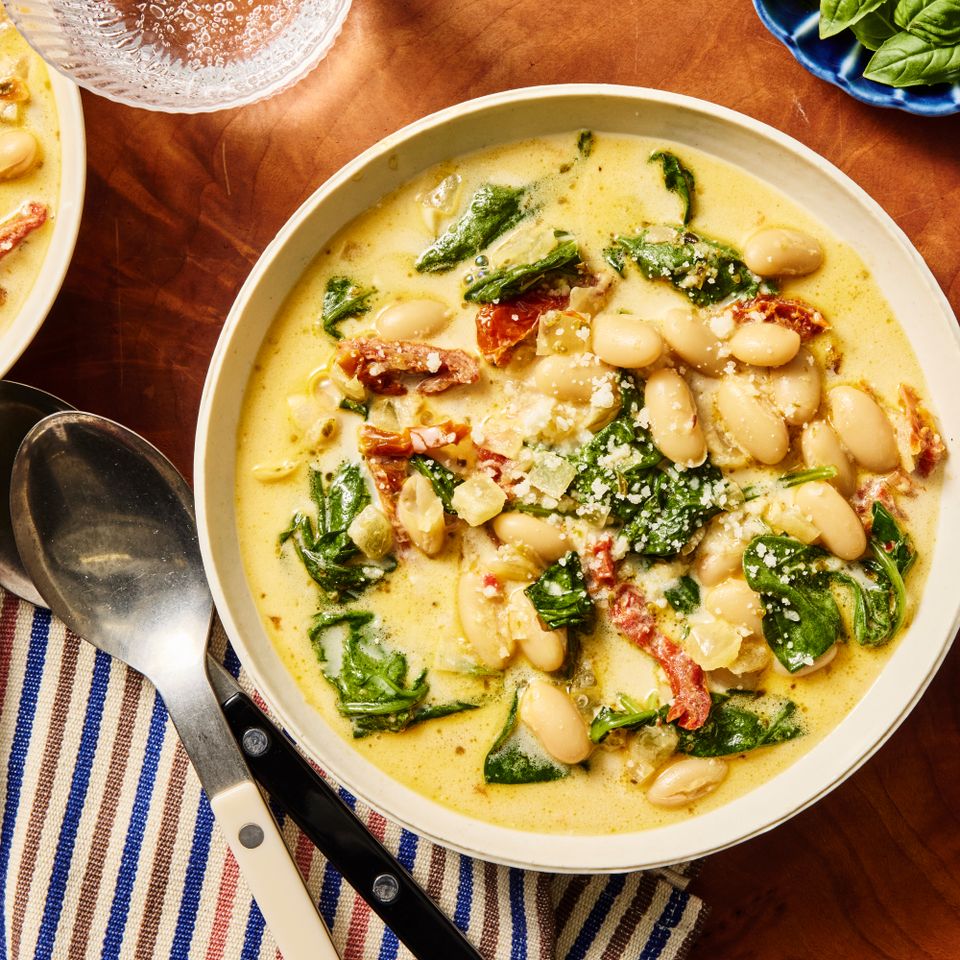

Inspired by the flavors of Marry Me Chicken, this vegetarian soup features sun-dried tomatoes, garlic, cream, and Parmesan. It’s finished with fresh basil and extra cheese, creating a rich, soul-warming dish that’s crowd-pleasing and perfect for gatherings.

Broccoli-Cheddar Butter Beans
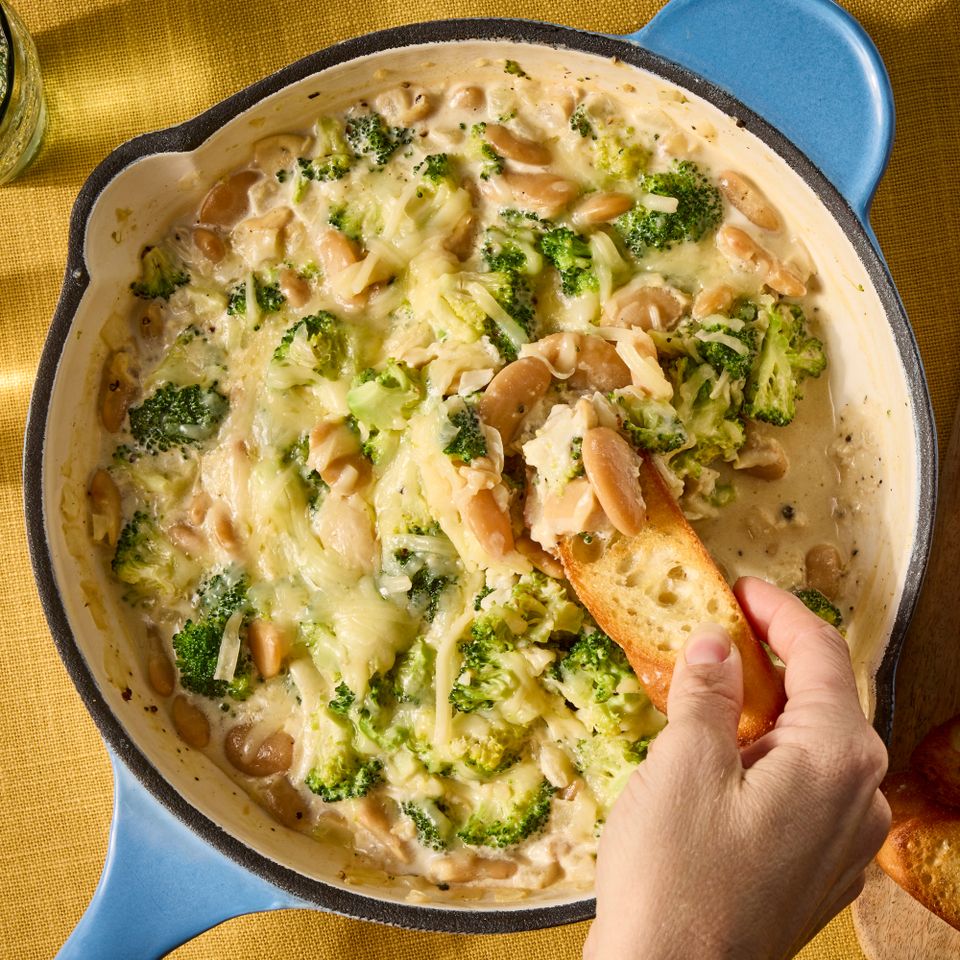

This dish offers the creamy, cheesy goodness of broccoli-Cheddar soup in a convenient skillet form. Tender butter beans provide a creamy texture and plant-based protein, while broccoli florets add color. Sharp Cheddar cheese melts in for that classic flavor, making it a filling main course.

Butternut Squash & Black Bean Enchilada Skillet
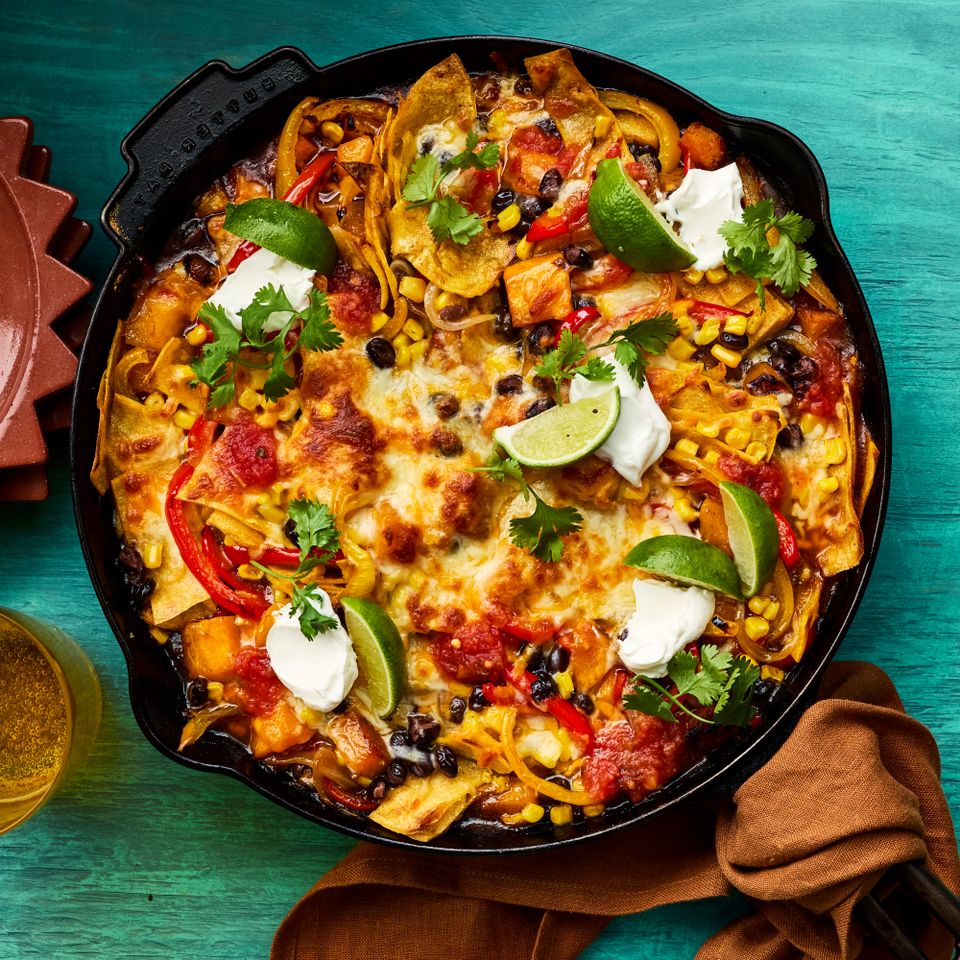

Tender cubes of butternut squash and hearty black beans simmer in green enchilada sauce, with tortilla strips stirred in for added texture. A layer of melted cheese ties everything together, creating a satisfying, vegetarian-friendly dish that’s easy to prepare.

Creamy Chickpea Soup
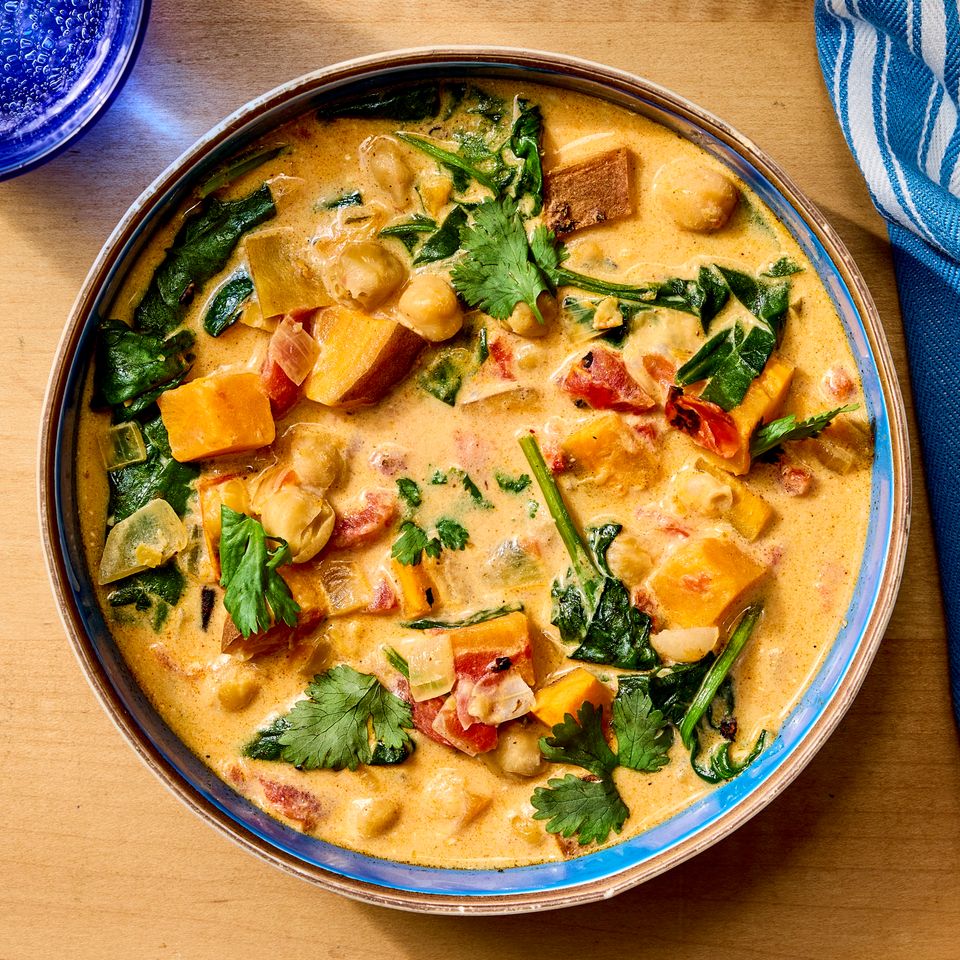

This quick and easy soup comes together in just 20 minutes. Cream cheese adds a velvety texture, while cilantro and crunchy tortilla strips provide a refreshing contrast. It’s a one-pot meal that’s perfect for busy weeknights and can be enjoyed by the whole family.

Spanakopita-Inspired Skillet Beans
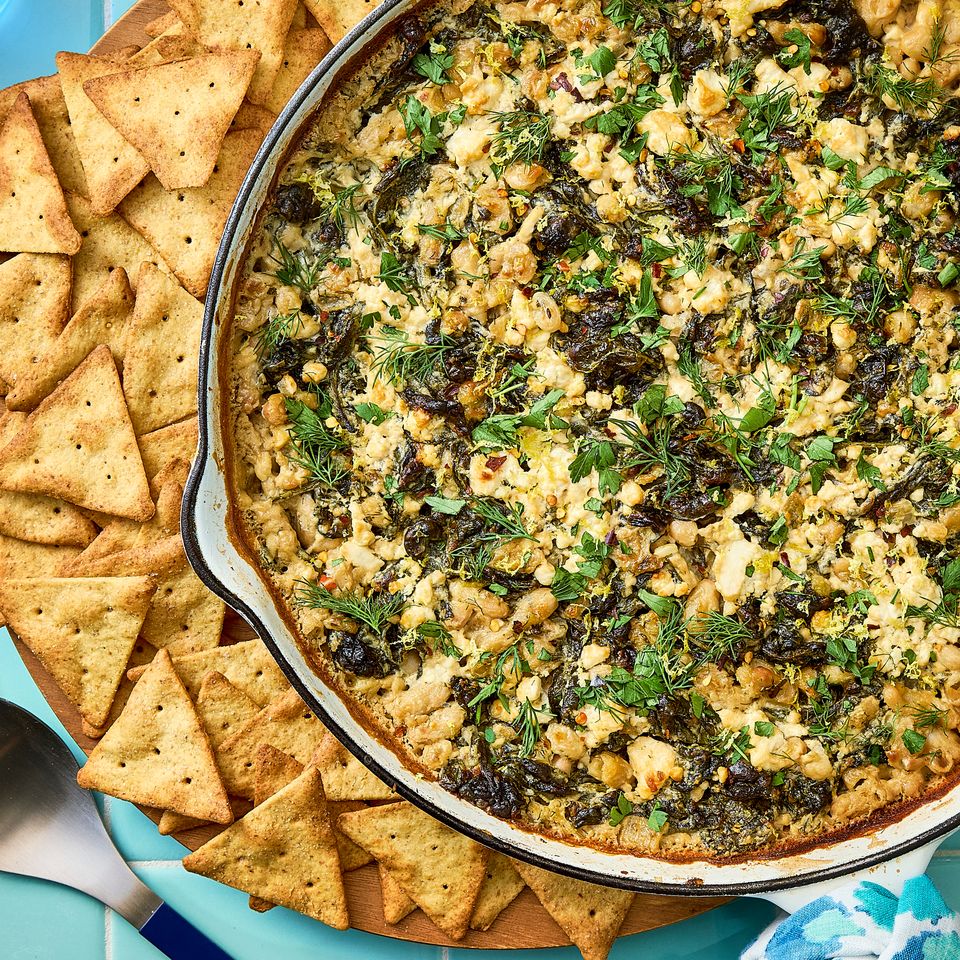

These skillet beans draw inspiration from spanakopita, the Greek spinach pie. Cannellini beans add protein and fiber, while fresh dill, parsley, and a squeeze of lemon provide a bright, herbaceous finish. It’s a creamy, comforting dish that’s great for any season.

High-Fiber Vegetable Stew
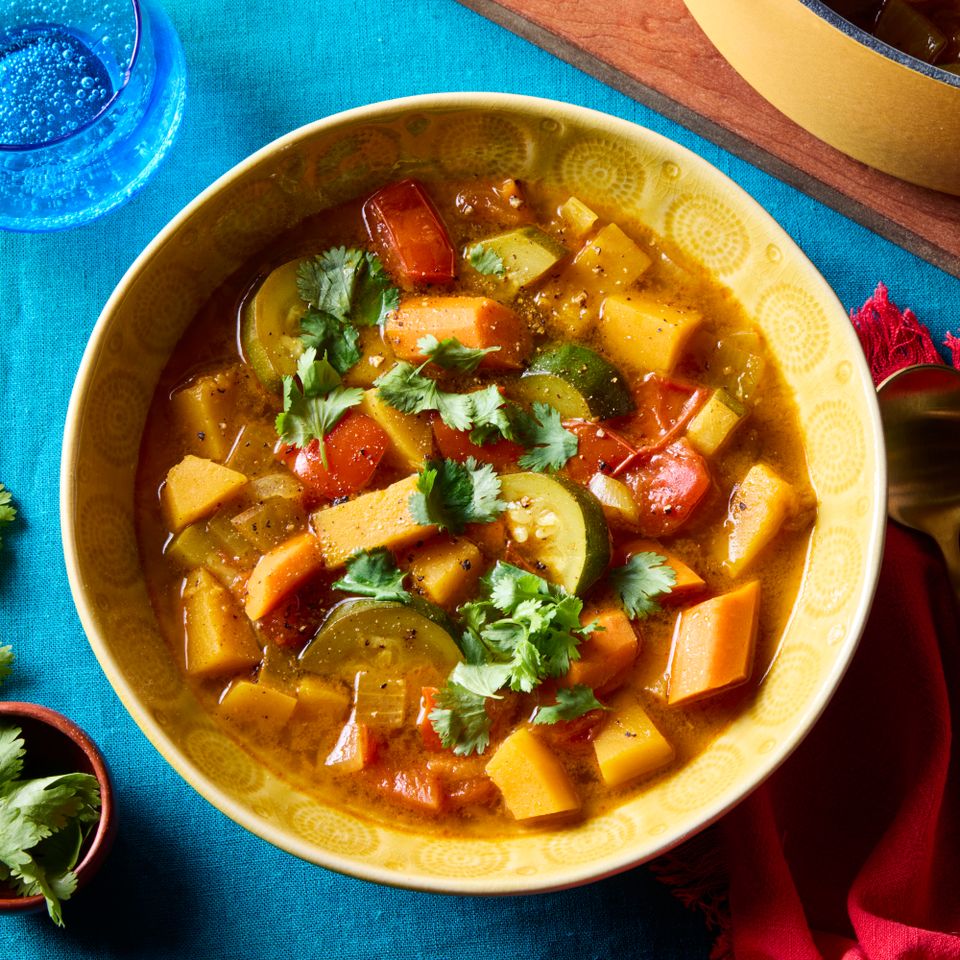

This vegetable stew is a cozy dish for two, made with late-summer and early-fall produce. Simmered with warm spices and a savory broth, it’s delicious served with warm naan on the side for dipping. It’s a perfect way to celebrate seasonal flavors.

High-Protein Chicken & Sweet Potato Enchilada Skillet
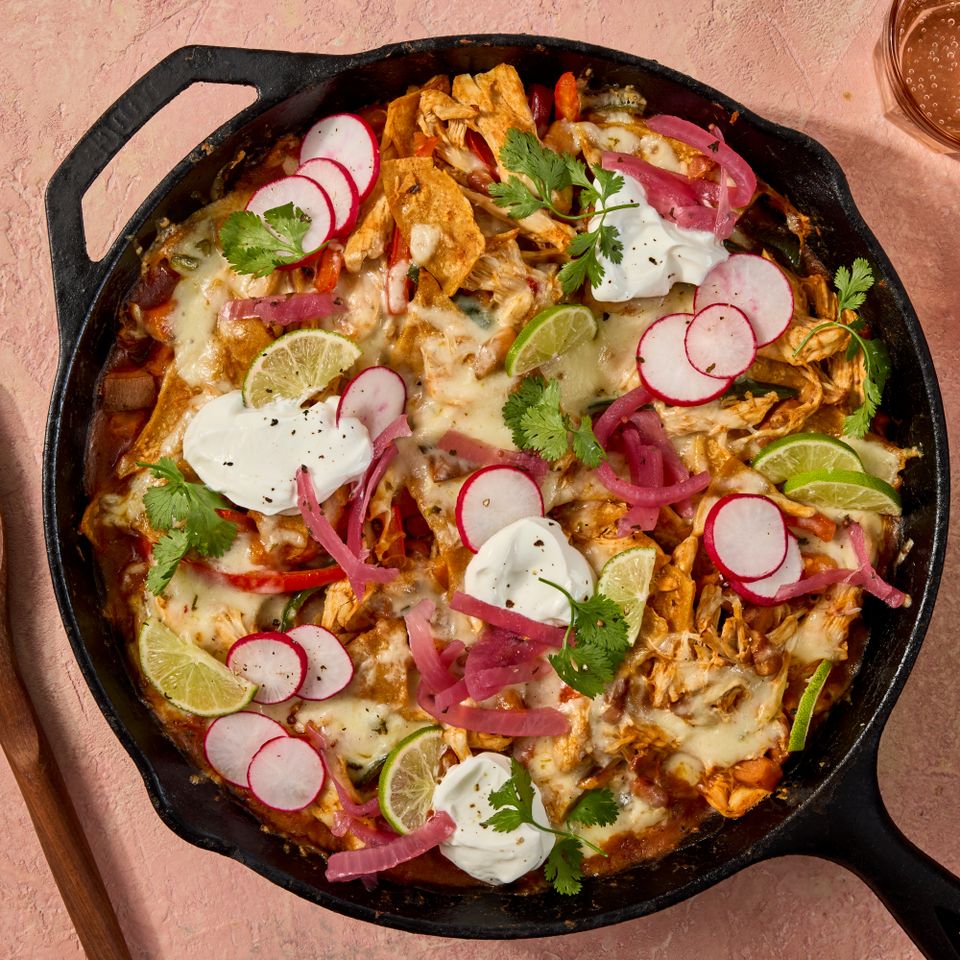

This one-pan meal is ideal for busy weeknights. Tender chunks of sweet potato and shredded chicken combine with store-bought enchilada sauce for a flavorful shortcut. It’s a hearty, satisfying dish that’s easy to make and packed with nutrients.

High-Protein Spaghetti Squash Caprese
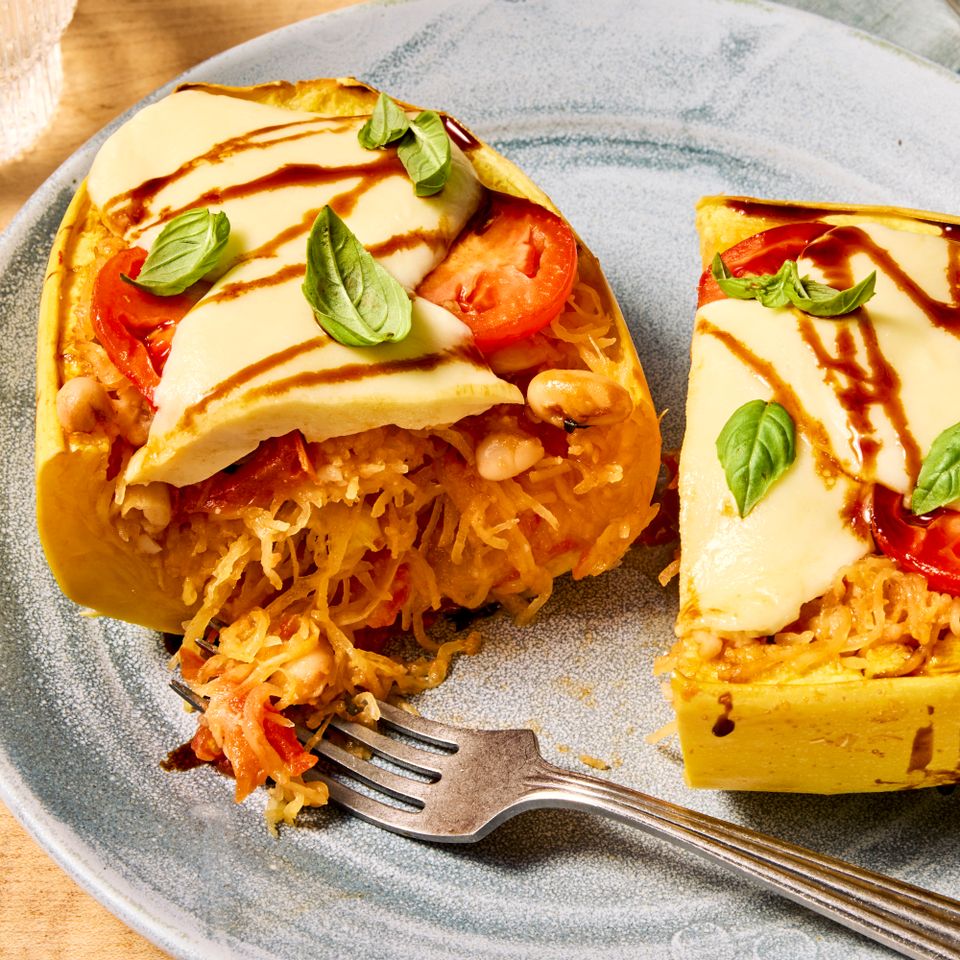

This fun twist on the classic Italian salad combines traditional caprese ingredients with roasted spaghetti squash. The squash is tossed with juicy plum tomatoes, creamy mozzarella, fragrant fresh basil, and great northern beans for a boost of plant-based protein. A drizzle of balsamic glaze ties the dish together with a sweet-tangy finish.

Chicken Guacamole Bowls
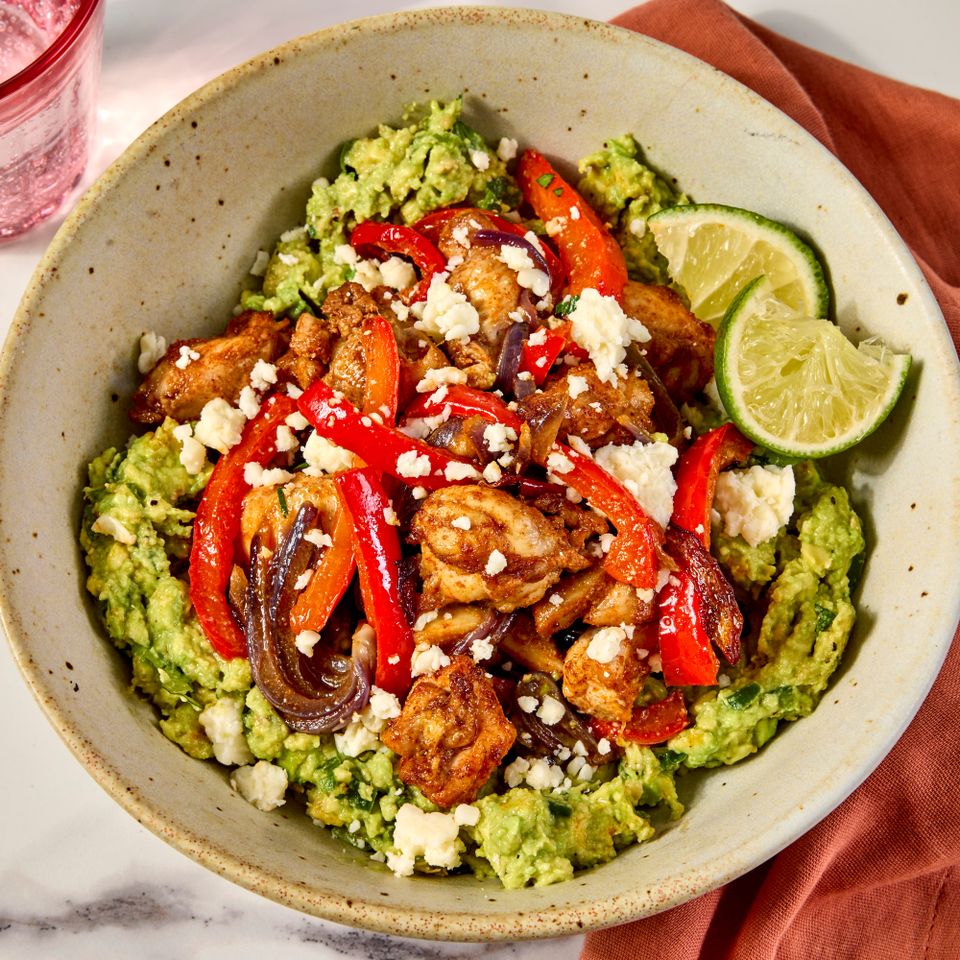

Juicy chicken thighs and colorful veggies are served over a fresh and creamy guacamole with a sprinkle of tangy cotija cheese. A squeeze of lime at the end brightens up the dish and ties all the bold, fresh flavors together.

Marry Me White Bean Salad
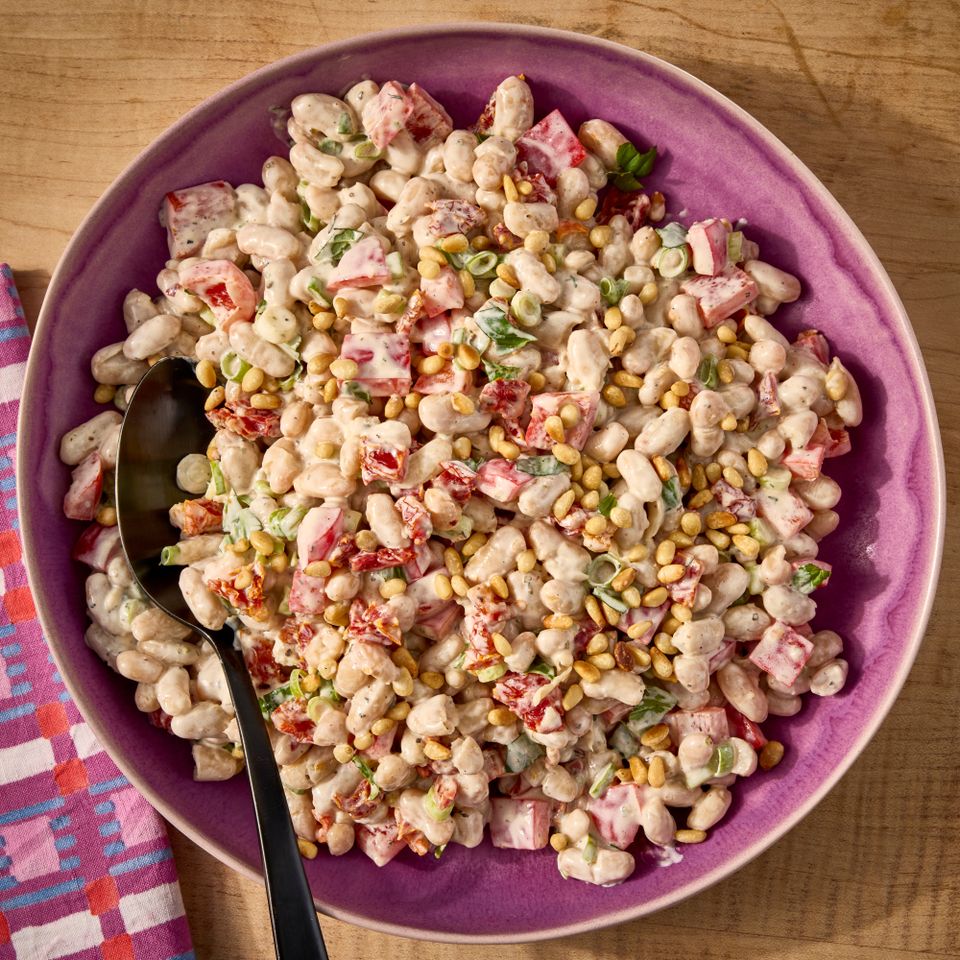

This salad is a bright, flavor-packed dish that’s hard not to fall for. Inspired by Marry Me Chicken, the tender white beans are tossed with sun-dried tomatoes, fresh basil, and a creamy dressing that soaks into every bite. It’s quick to throw together and perfect for meal prep, picnics, or pairing with grilled meats.

Sheet-Pan Salmon and Shaved Brussels Sprouts with Lemon-Garlic Drizzle
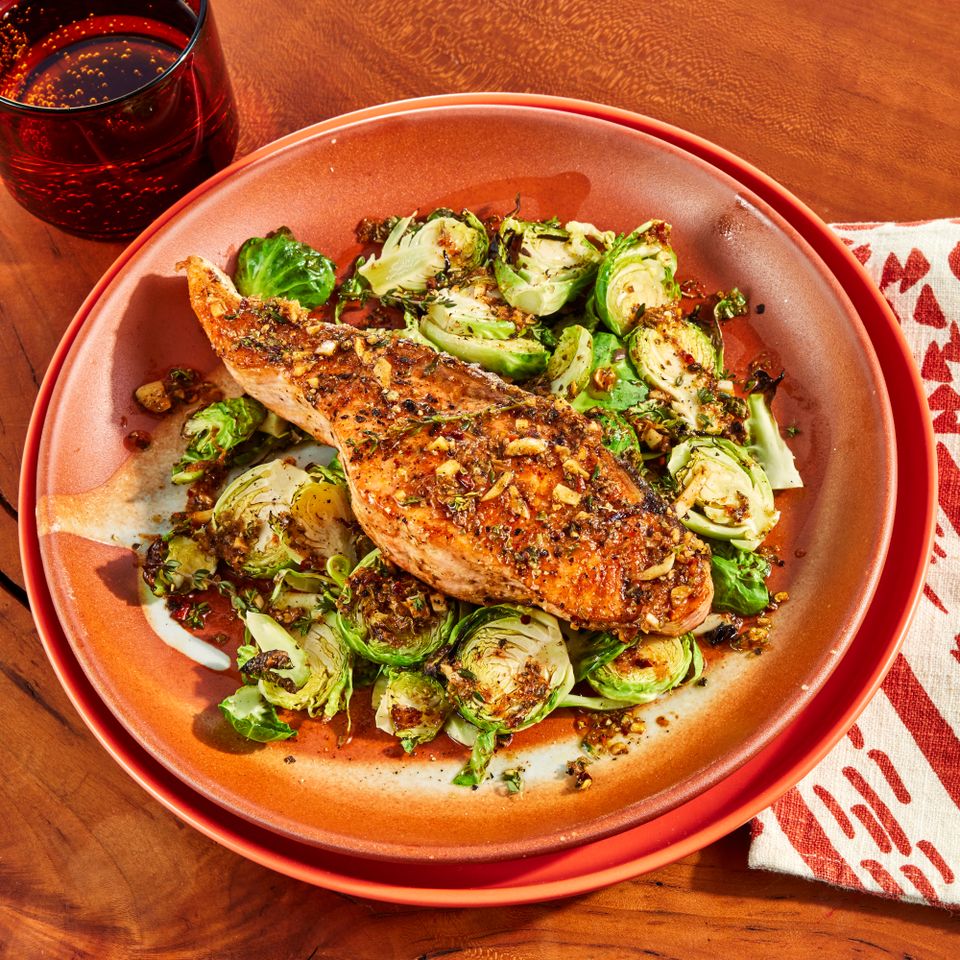

Heart-healthy salmon is nestled among shaved Brussels sprouts, both of which soak up amazing flavor from the double drizzle of lemon-garlic sauce. It’s a simple yet elegant dish that’s perfect for a weeknight dinner.

5-Ingredient Taco Stuffed Peppers
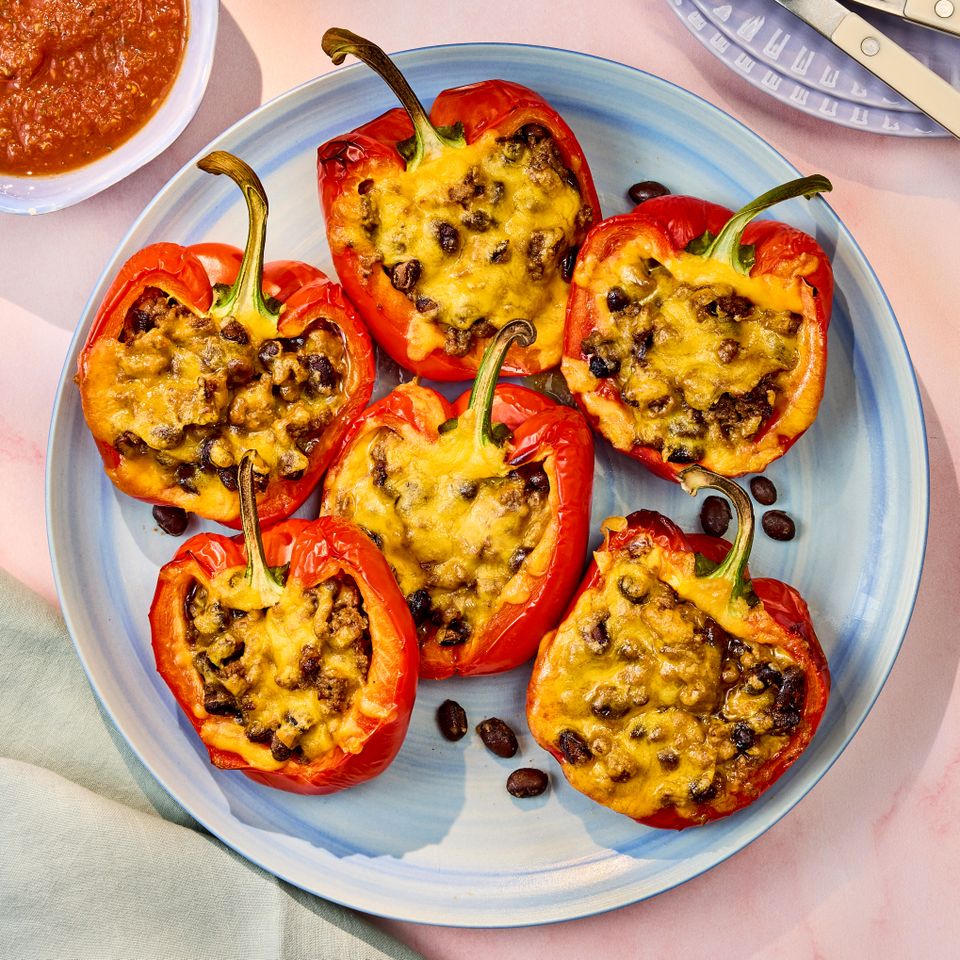

These five-ingredient stuffed peppers are a simple, satisfying twist on taco night with all the flavors you love. Sweet bell peppers act as the perfect vessel for a filling of lean ground beef, black beans, salsa, and melty cheese. Serve them with a dollop of sour cream, sliced avocado, and/or fresh cilantro for a little extra flair.

Spaghetti with Mushrooms, Spinach & Ricotta
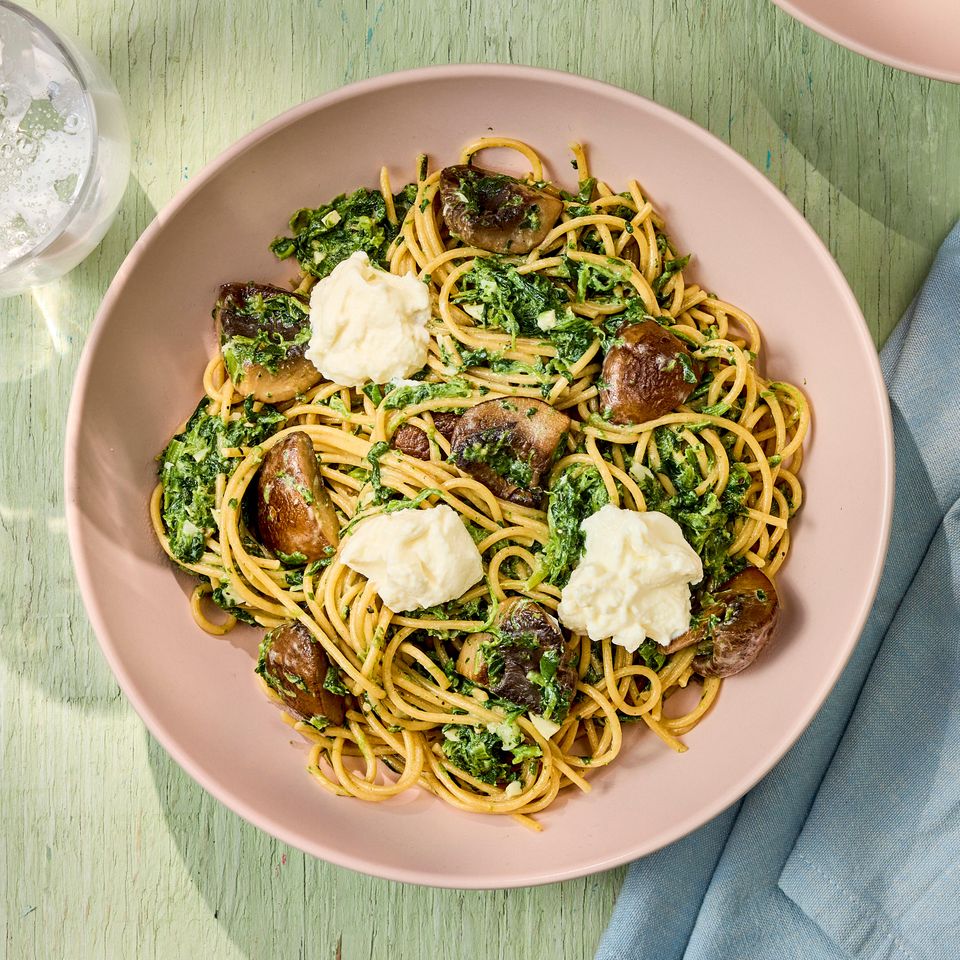

Earthy mushrooms, spinach, and garlic flavor the pasta alongside whole-milk ricotta that creates a creamy sauce. You can elevate the flavor even more by using wild mushrooms for a deeper savory flavor and finishing with a squeeze of lemon to brighten everything up.

Roasted Veggies with Halloumi & Chickpeas
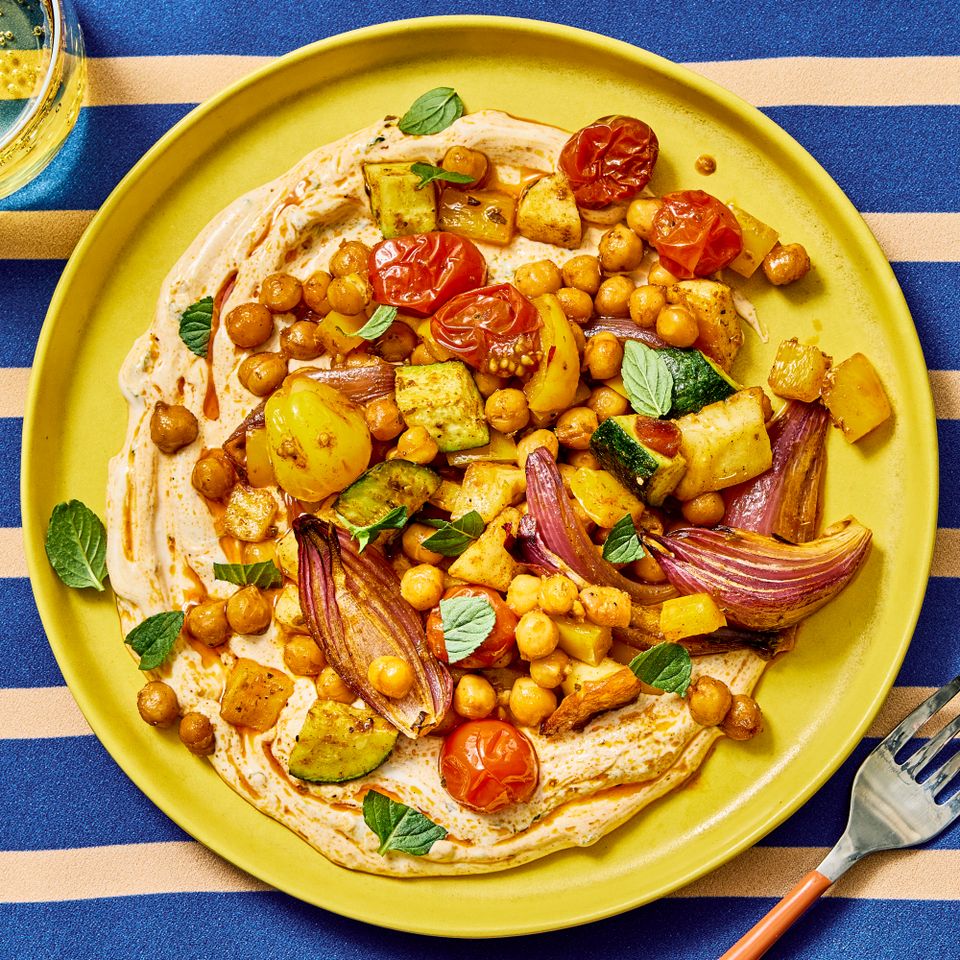

This sheet-pan recipe is perfect for a weeknight dinner with easy cleanup. Chickpeas and halloumi provide protein to make this dish filling and satisfying. Roasting everything on the same sheet pan creates crispy, caramelized bites that meld beautifully with the creamy yogurt spread underneath.

Sheet-Pan Chicken Thighs with Red Cabbage & Sweet Potatoes
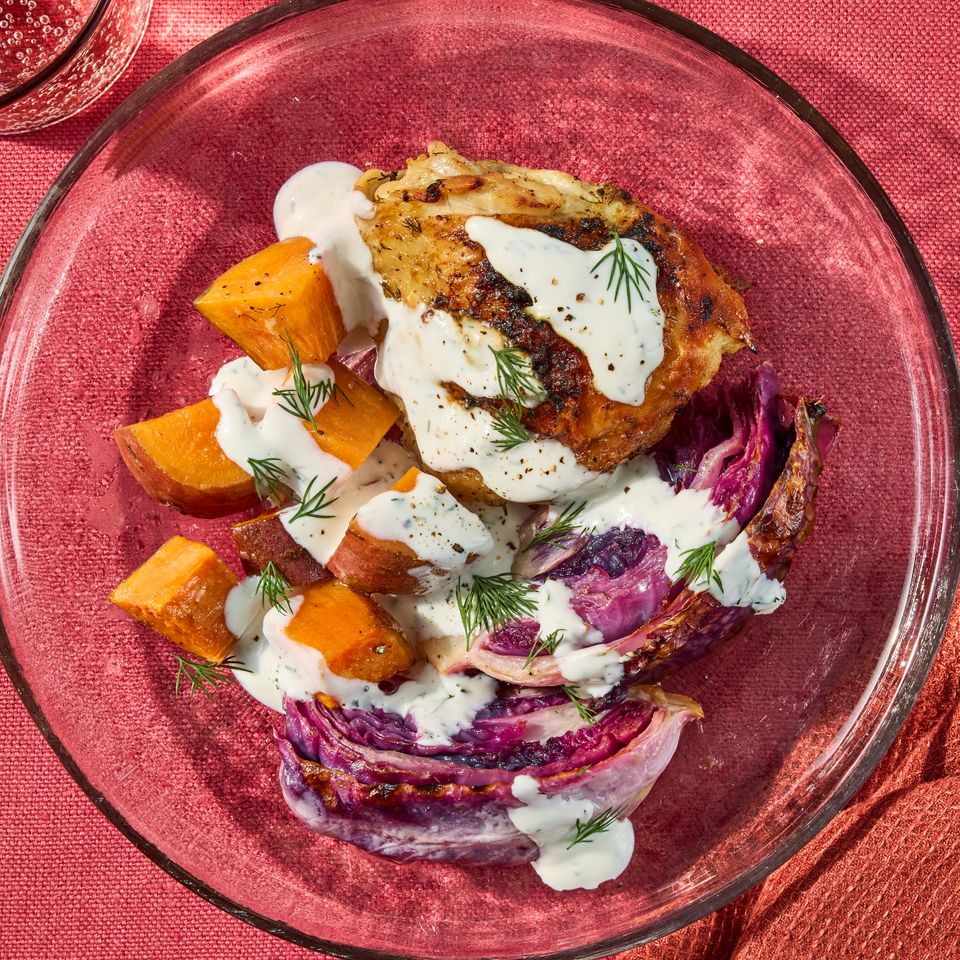

The beauty of this dish lies in its simplicity—everything cooks together on one sheet pan, making cleanup a breeze. As the ingredients roast together, the chicken juices meld with the vegetables, creating a savory dinner.

Spinach & Artichoke–Stuffed Butternut Squash
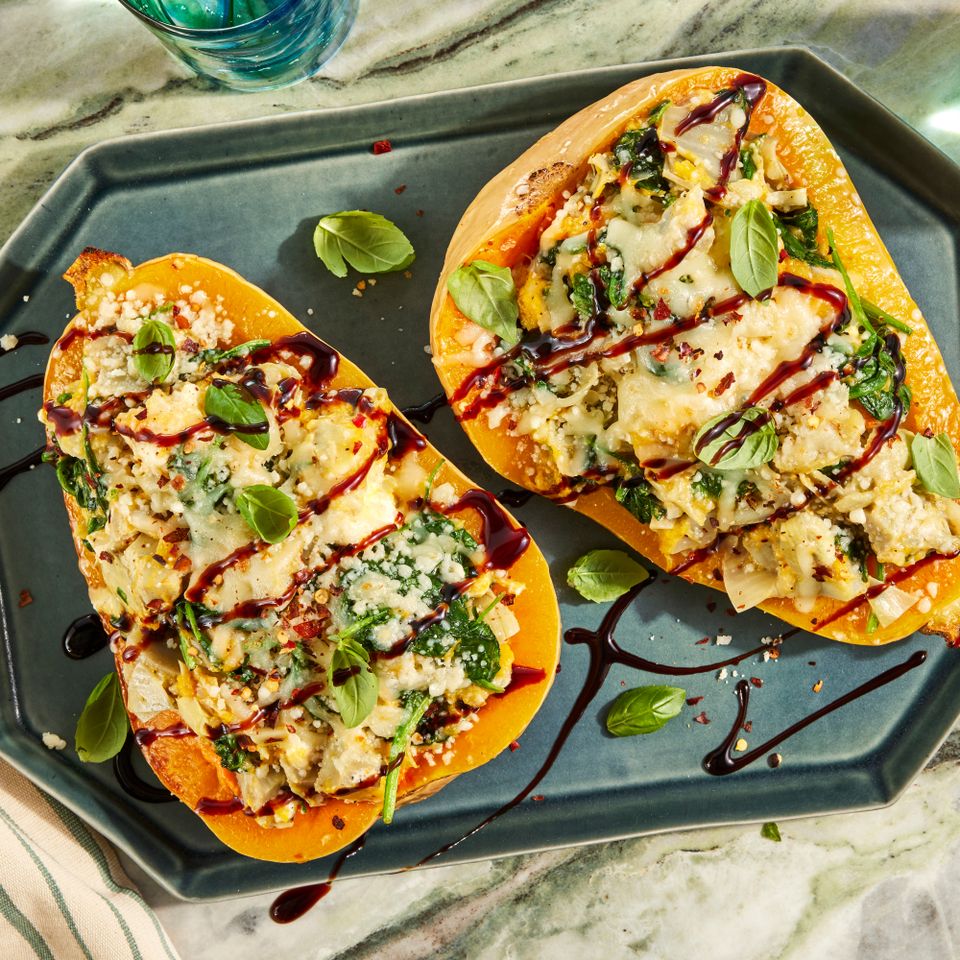

Tender roasted butternut squash halves are filled with a cheesy spinach-and-artichoke mixture. A sprinkle of crushed red pepper adds heat, and a drizzle of balsamic glaze adds a tangy-sweet flavor contrast that ties it all together.

Saag Aloo Matar
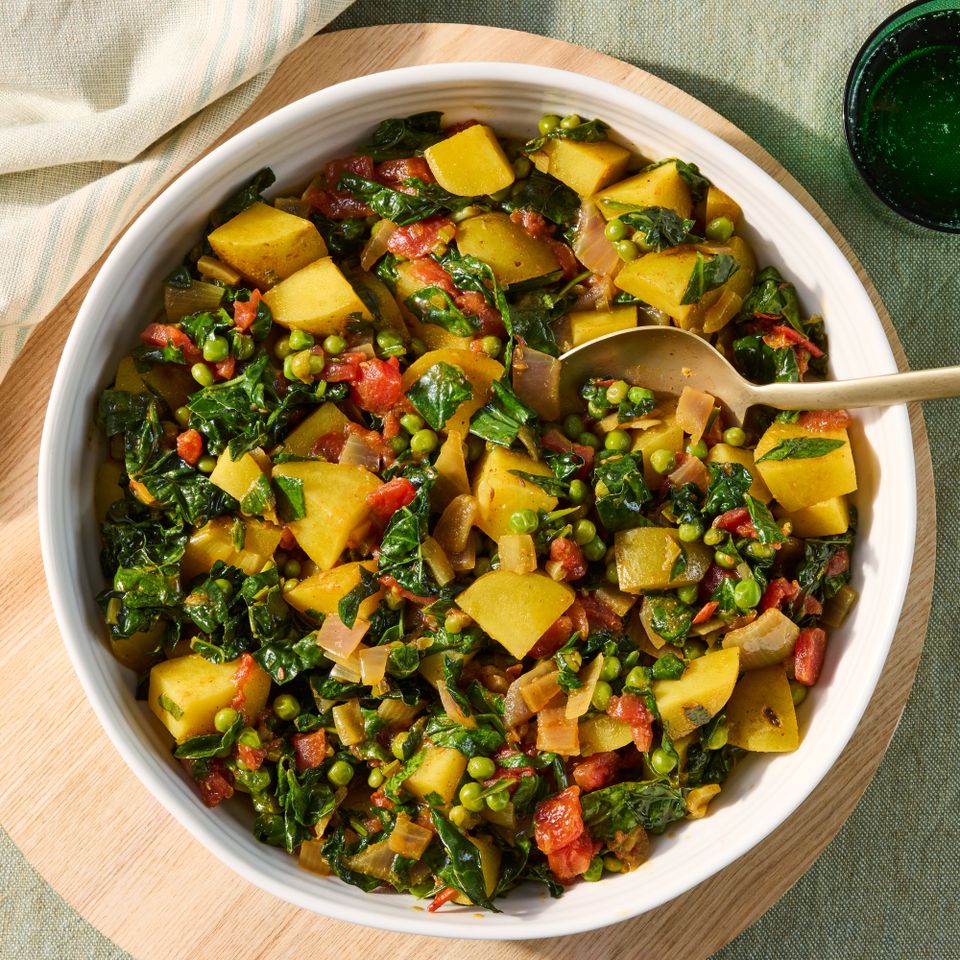

This cozy one-skillet dinner draws inspiration from two Indian dishes: saag aloo and aloo matar. It’s packed with plenty of vegetables, including leafy greens, potatoes, and peas, all simmered in an aromatic tomato-based sauce.

Fajita-Stuffed Mushrooms
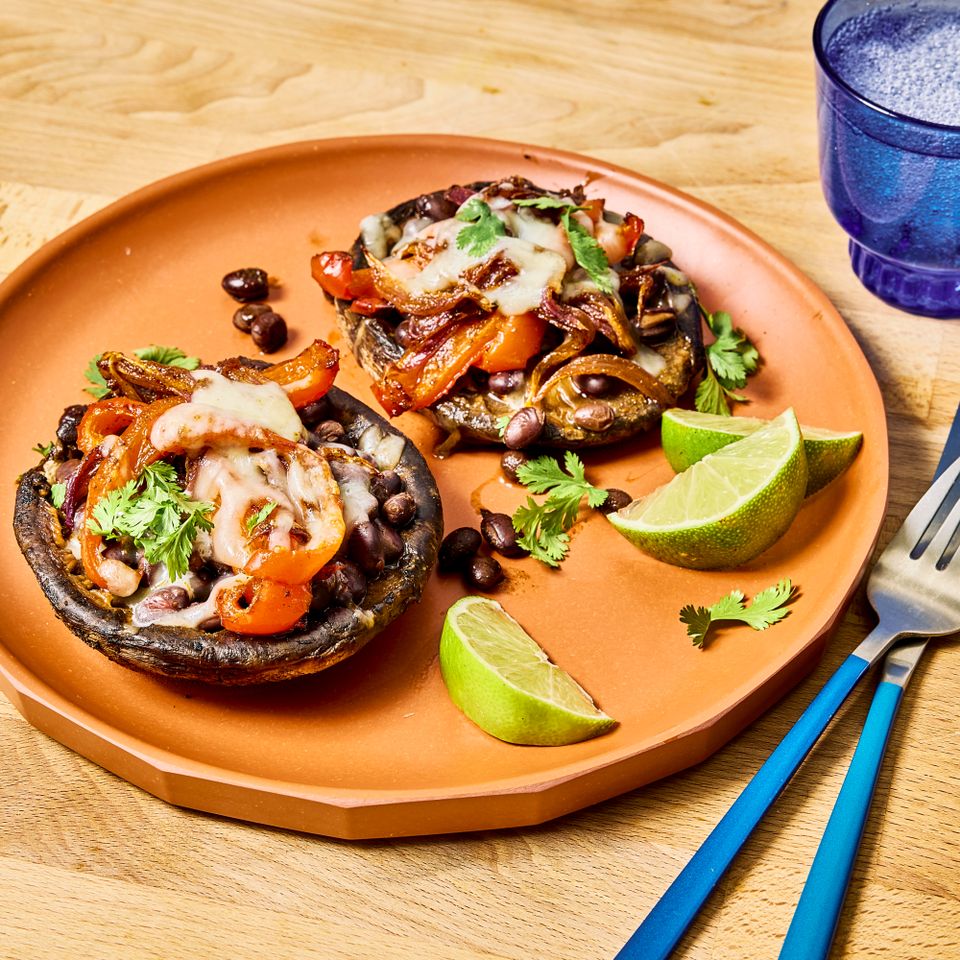

This flavorful vegetarian dish fills roasted portobello mushroom caps with fajita-style veggies and black beans, giving them a boost of fiber and protein. Top it off with melted cheese and strained (Greek-style) yogurt for a satisfying dinner.
Wednesday, November 5, 2025

High-Protein Breakfasts Without Eggs

High-Protein Breakfasts Without Eggs

There's no denying the importance of getting enough protein for our hormones, metabolism, muscles, and overall health—especially first thing in the morning. Swapping your typical breakfast for a high-protein option can lead to more energy and longer-lasting fullness throughout the morning.

However, when it comes to high-protein breakfast ideas, many recipes seem to revolve around eggs. While I do enjoy a good omelet, there are only so many I can eat. Eggs are often the default in high-protein breakfasts, but that doesn’t mean you have to settle for another omelet every day. Think about options like a chocolate-peanut-butter protein smoothie, easy no-bake protein balls, or a vegan breakfast burrito. These alternatives prove that plant-based meals can be just as high in protein as traditional ones. If you're standing at the fridge wondering what to eat for breakfast without eggs, here are some great options to consider.

Why a Protein-Rich Breakfast Matters

Starting your day with a high-protein breakfast can be a game-changer. Not only does it help you feel full and satisfied until lunch, but it also supports steady energy levels, aids in weight loss, and keeps mid-morning sugar cravings at bay. Classic choices like scrambled eggs and cottage cheese are popular, but there are countless other ways to get your protein fix. Consider Greek yogurt parfaits, chia seed puddings, or a dollop of almond butter on whole grain toast. Adding healthy fats like olive oil or avocado slices can further enhance the meal’s staying power and digestive benefits.

Whether you prefer eggs, yogurt, or plant-based proteins, making protein the star of your breakfast is one of the healthiest and most delicious habits you can develop.

Understanding Protein Needs

Ever wondered how much protein you actually need in your breakfast? For most people, aiming for 20-30 grams of protein—about a quarter of your meal’s calories—is ideal. This amount helps kickstart your metabolism, keeps you feeling full, and supports muscle health. Your protein needs may vary depending on your size, activity level, and health goals. If you’re active or looking to build muscle, you might need even more protein in your morning meal.

The key is to enjoy a balanced diet with a mix of protein sources: lean meats, fish, eggs, dairy, and plant-based options all count. By making protein a priority at breakfast, you’ll set yourself up for a day of steady energy and fewer snack attacks.

Increasing Your Protein Intake

Looking to sneak more protein into your breakfast routine? It’s easier than you think! Try stirring a scoop of protein powder into your oatmeal or Greek yogurt, or use cottage cheese as a creamy base for fruit and nuts. Scrambled eggs with spinach and whole grain toast are a classic, but if you’re not eating eggs, you can also build a breakfast sandwich with lean meats and low-fat cheese for a satisfying start. For a plant-based option, load up on roasted vegetables and pair them with tofu, tempeh, or a sprinkle of chia seeds for a high-protein, low-fat meal. Even simple swaps—like adding nut butter to your toast or tossing extra seeds into your smoothie—can make a big difference in your protein intake.

Here are 20 no-egg breakfast ideas that are still loaded with protein:

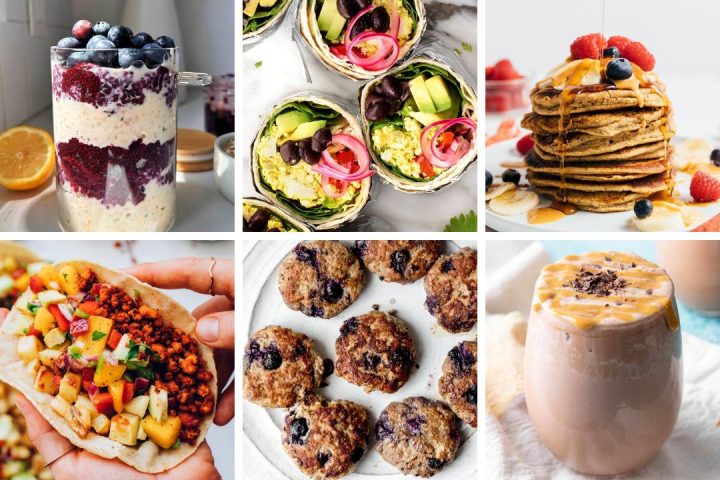
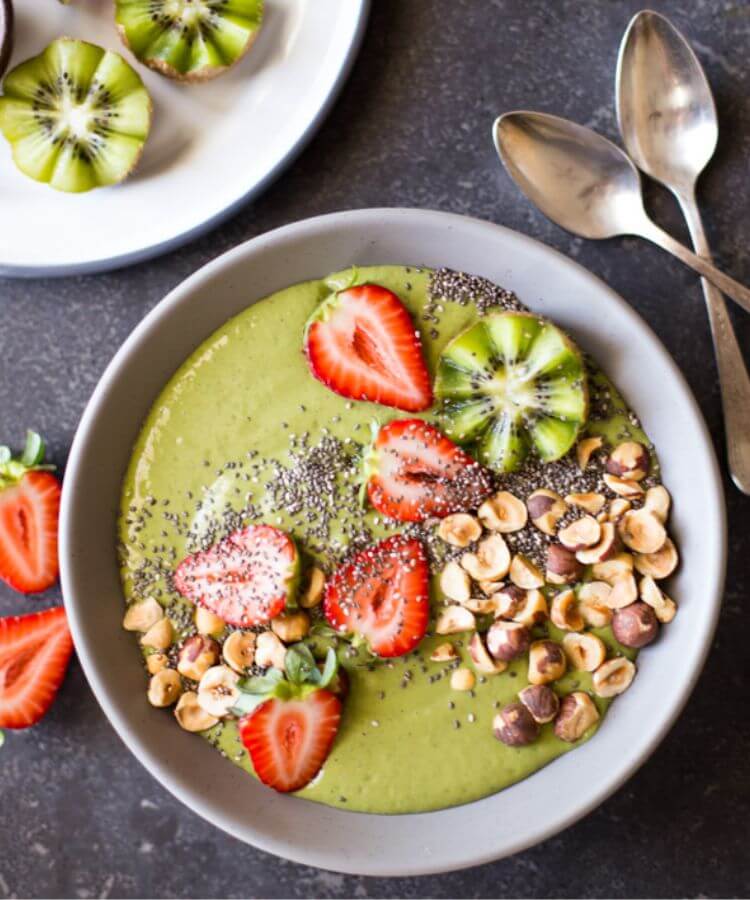
  1. Strawberry Kiwi Protein Smoothie Bowl

    This fresh and nourishing bowl is packed with 25 grams of protein from Greek yogurt, hazelnuts, and chia seeds. It also provides healthy fats and fiber to keep you full. You can add frozen peas for an extra protein boost without altering the flavor.

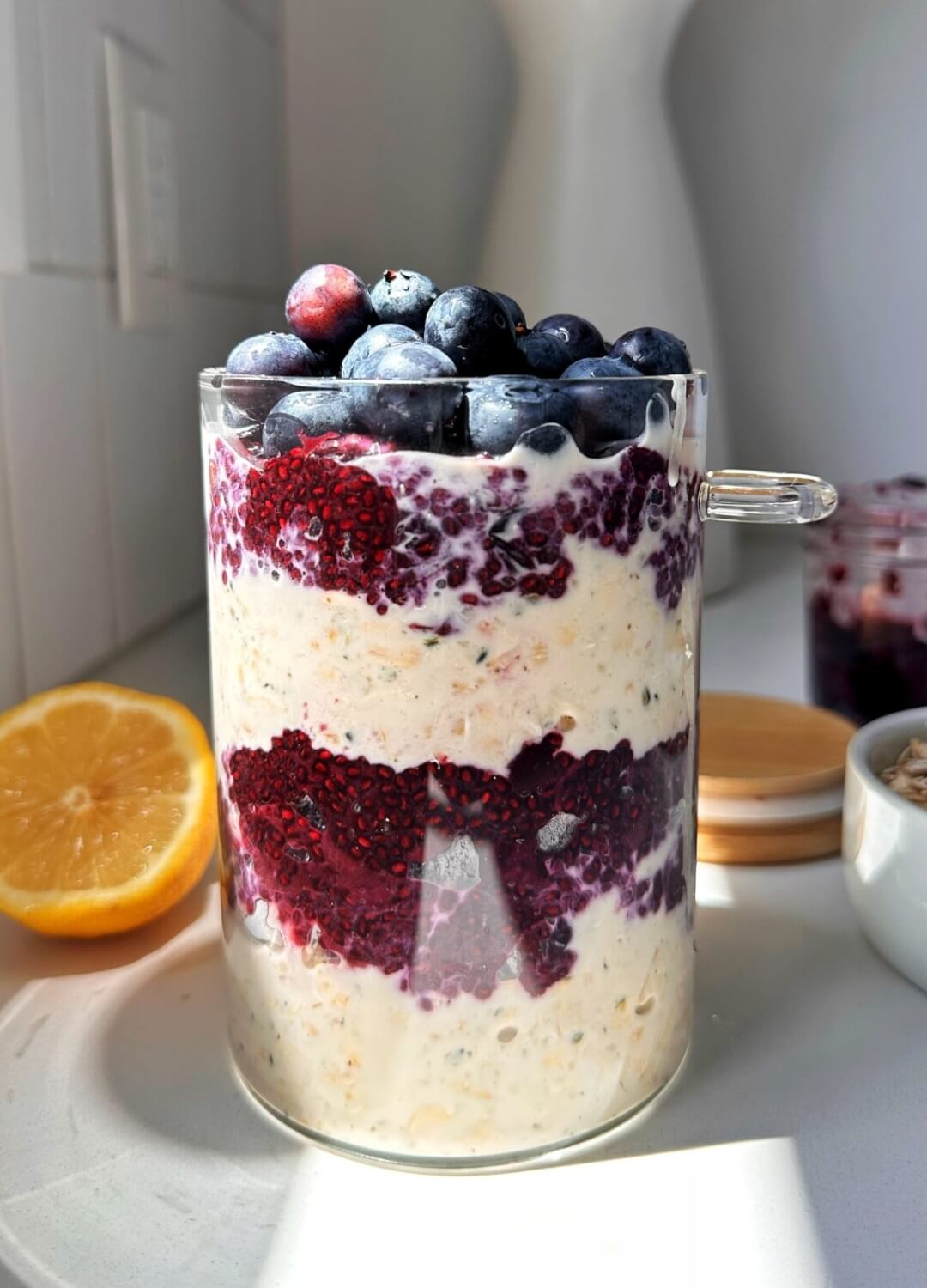
  2. Lemon Blueberry Overnight Oats

    Prep this protein-packed recipe the night before and enjoy it in the morning. Chia seeds and protein powder provide the necessary protein, while adding nuts or seeds boosts nutritional value.

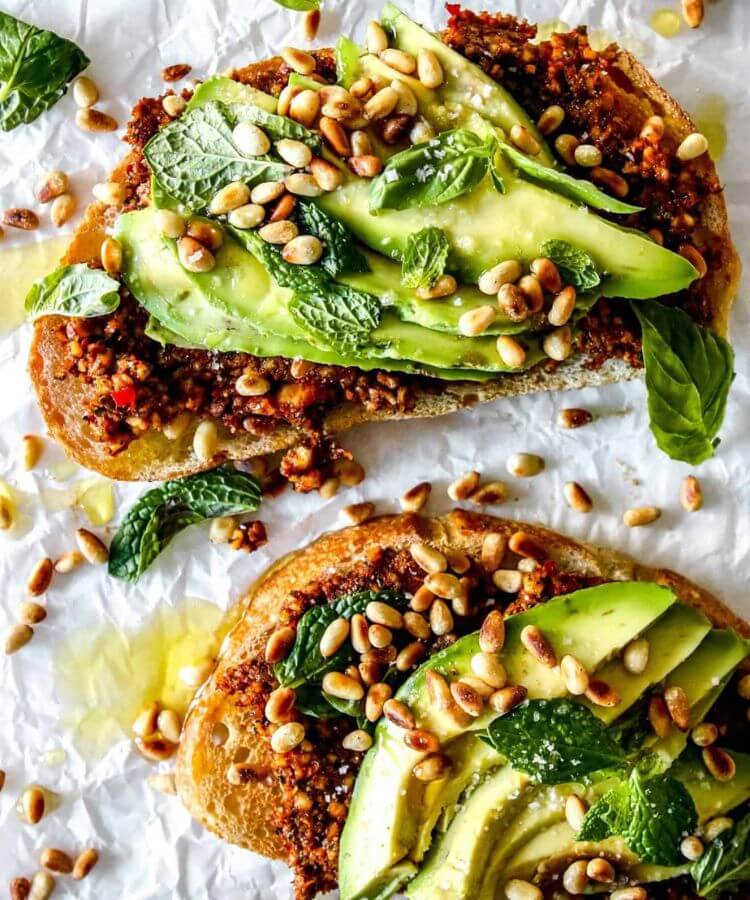
  3. Avocado Toast with Harissa Almond Pesto

    This flavorful and nutritious toast features homemade pesto that adds both taste and texture. A food processor is needed for the pesto, but the result is worth it.

  4. Chocolate Peanut Butter Vegan Protein Shake

    This shake tastes like a milkshake but is full of nutrients. Drizzle extra peanut butter on top for added flavor. It can serve as a complete high-protein meal.

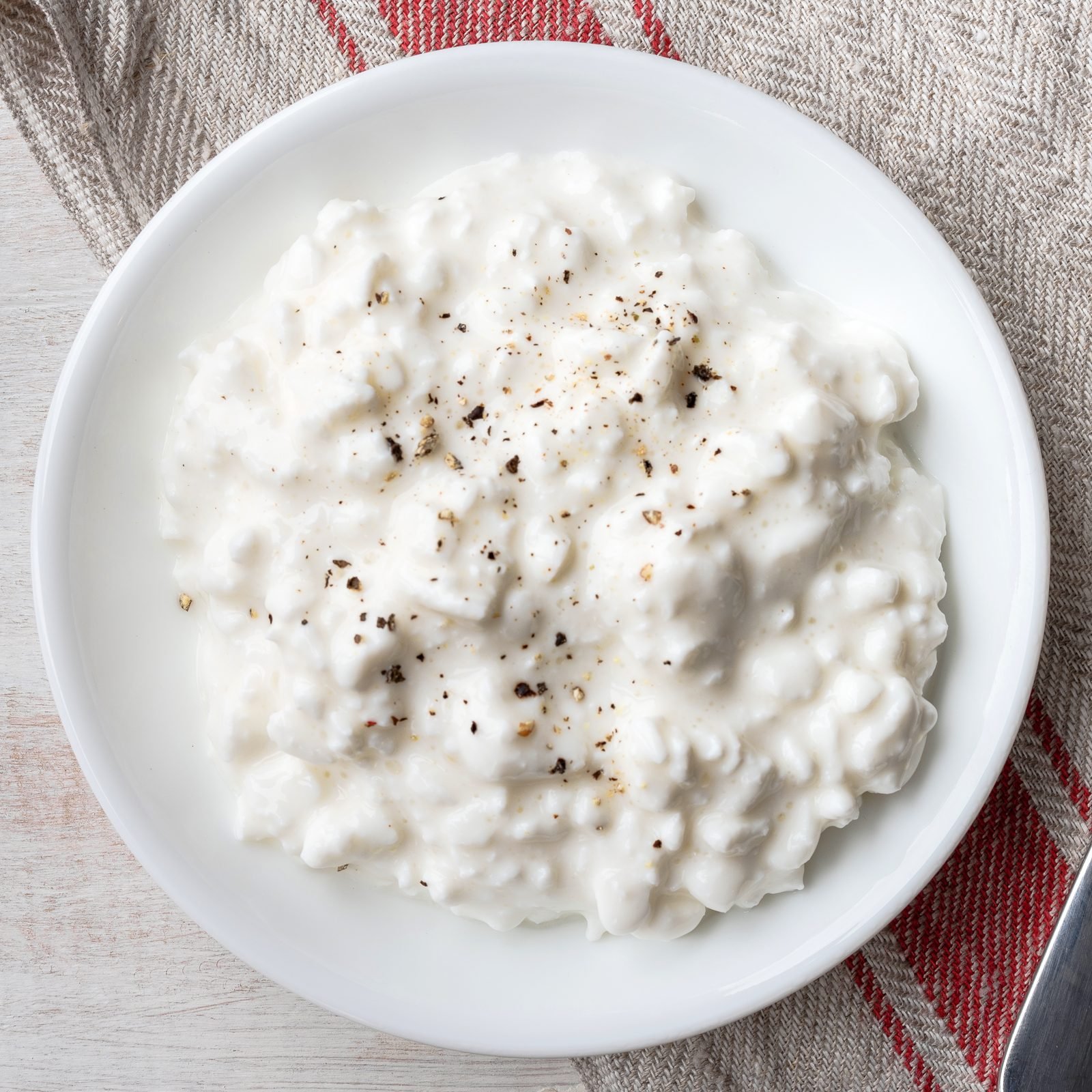
  5. Cottage Cheese Bowl

    Cottage cheese is a high-protein food that contains all essential amino acids. Top it with berries, granola, and honey for a delicious breakfast.

  6. Vegan Chorizo Breakfast Tacos

    These tacos use a tofu mix that replaces traditional chorizo and offers a high-protein alternative. Add shredded cheese or a vegan alternative for extra flavor.

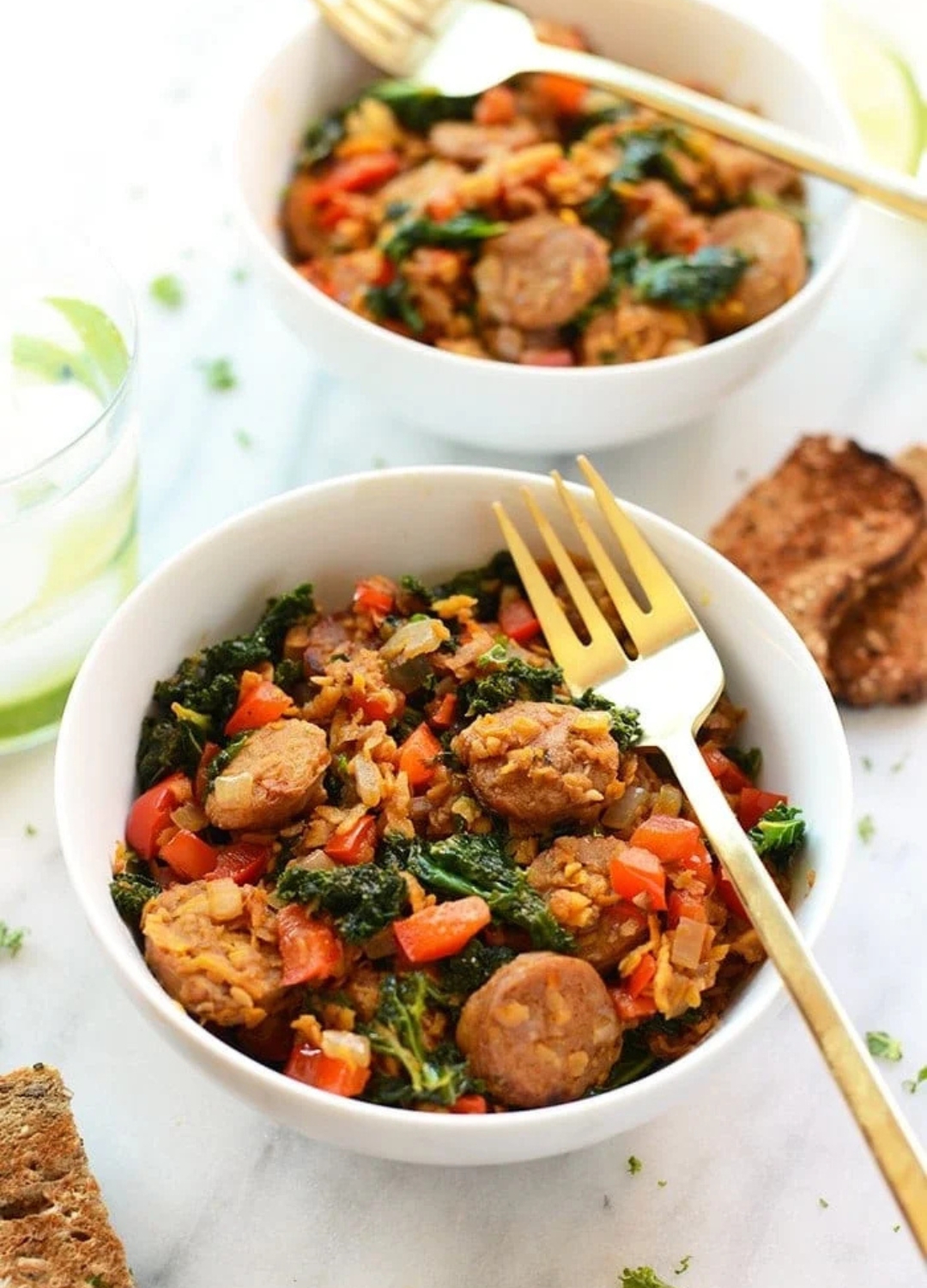
  7. Sweet Potato Hash Protein Bowl

    This savory dish uses chicken sausages and veggies for a high-protein, nutrient-dense meal. Chicken sausage is a healthier alternative to pork or bacon.

  8. Protein Chia Pudding

    Chia seeds are rich in protein, fiber, and omega-3 fatty acids. Soak them in milk for a decadent pudding that can be topped with various ingredients.

  9. Tofu Scramble

    This vegan scramble is a great alternative to eggs. Customize it with different toppings for variety.

  10. Maple Blueberry Turkey Sausage Breakfast Patties

    These patties combine sweet maple syrup, blueberries, and savory turkey sausage for a delicious and high-protein breakfast.

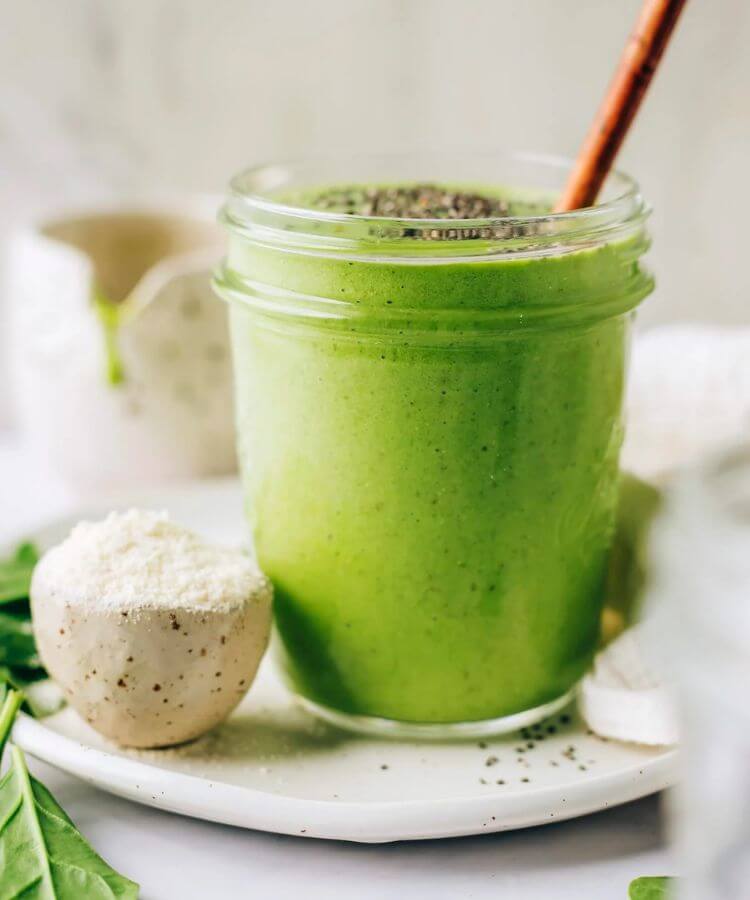
  11. Green Protein Smoothie

    A vegan and dairy-free option, this smoothie blends almond milk, vanilla protein powder, chia seeds, banana, and baby spinach for a nutrient-packed sip.

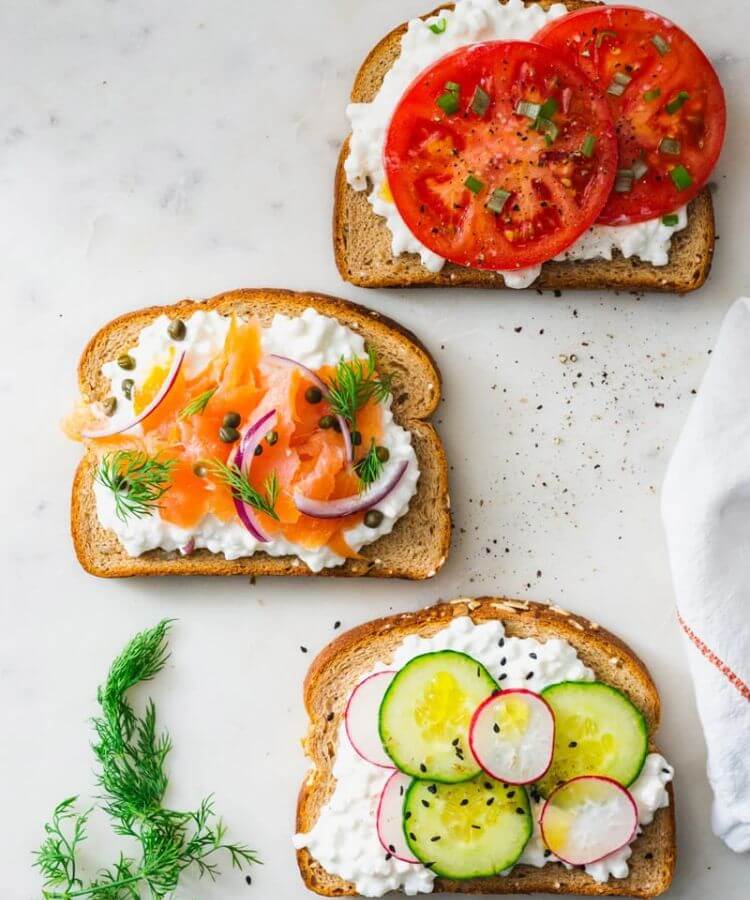
  12. Cottage Cheese Toast

    This quick and protein-packed meal can be topped with tomato, smoked salmon, avocado, or prosciutto.

  13. Cauliflower Oatmeal

    This unique recipe combines rolled oats and cauliflower rice for a low-calorie, high-protein meal that's surprisingly delicious.

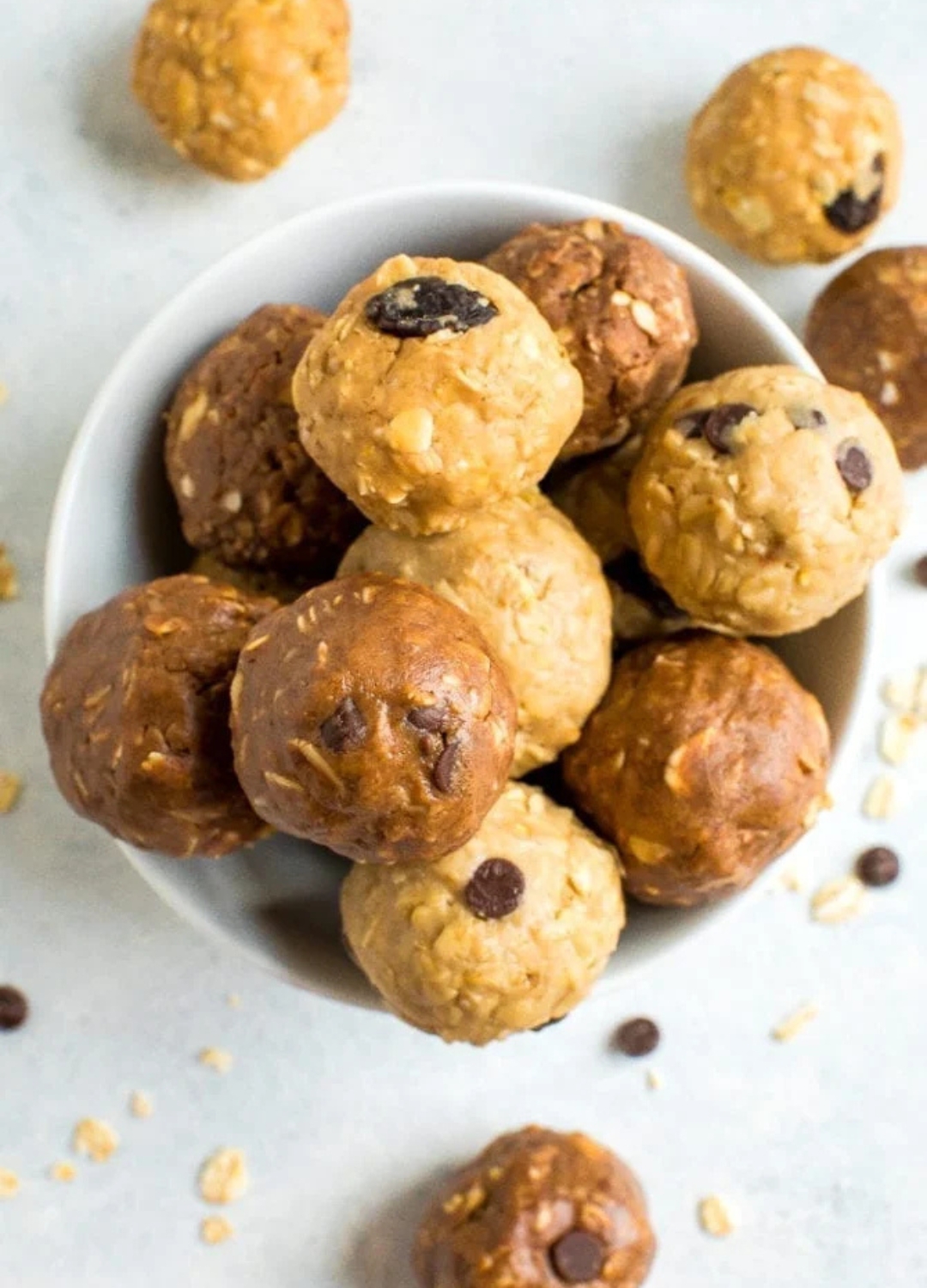
  14. Easy No Bake Protein Balls

    These four-ingredient protein balls are perfect for busy mornings and can be prepped in advance.

  15. Peanut Butter Protein Pancakes

    Fluffy and nutritious, these pancakes use ground flaxseed, peanut butter, and gluten-free oat flour for a healthy twist.

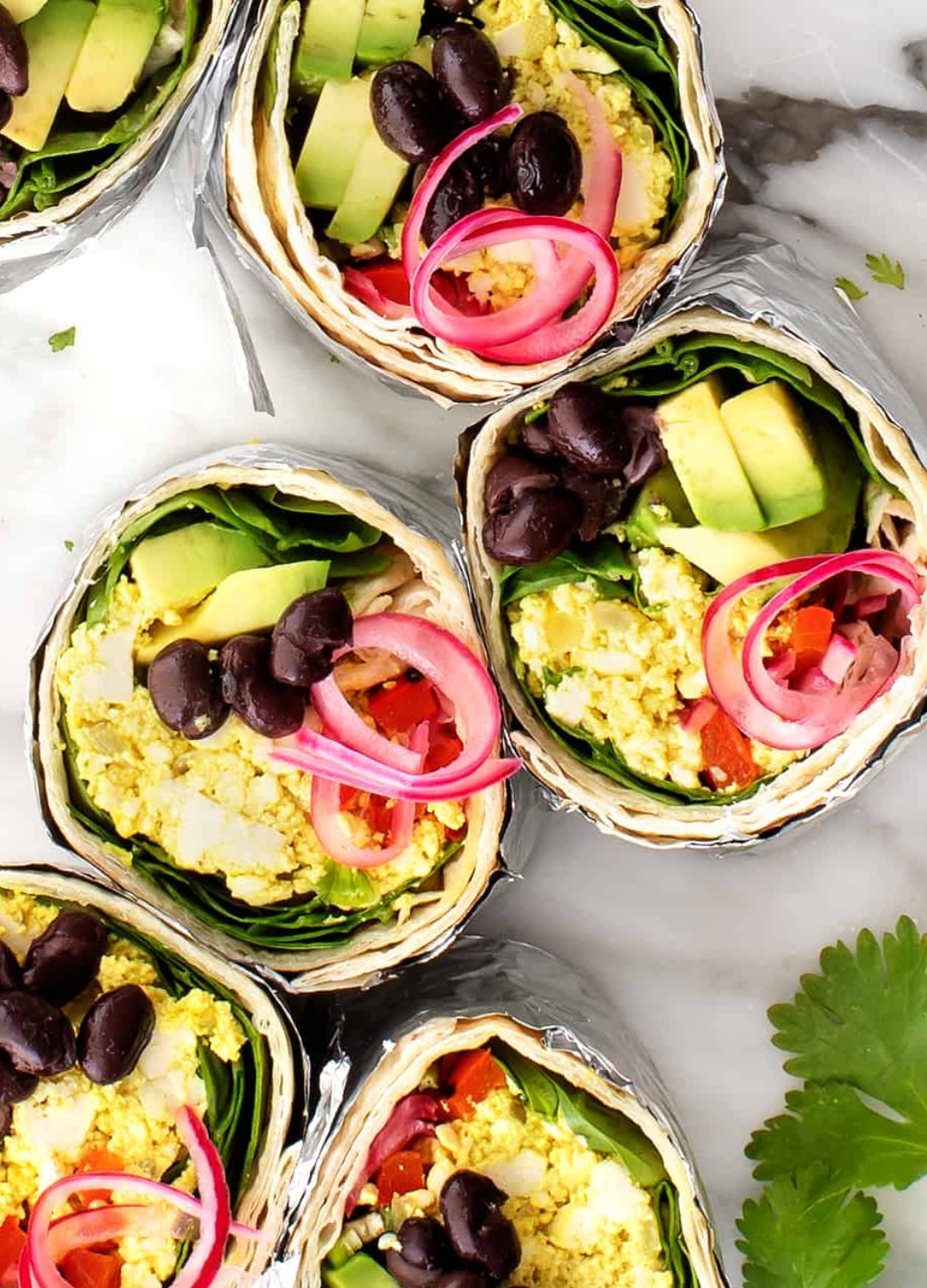
  16. Vegan Breakfast Burrito

    This burrito features a tofu scramble that replaces eggs and is packed with fiber and protein.

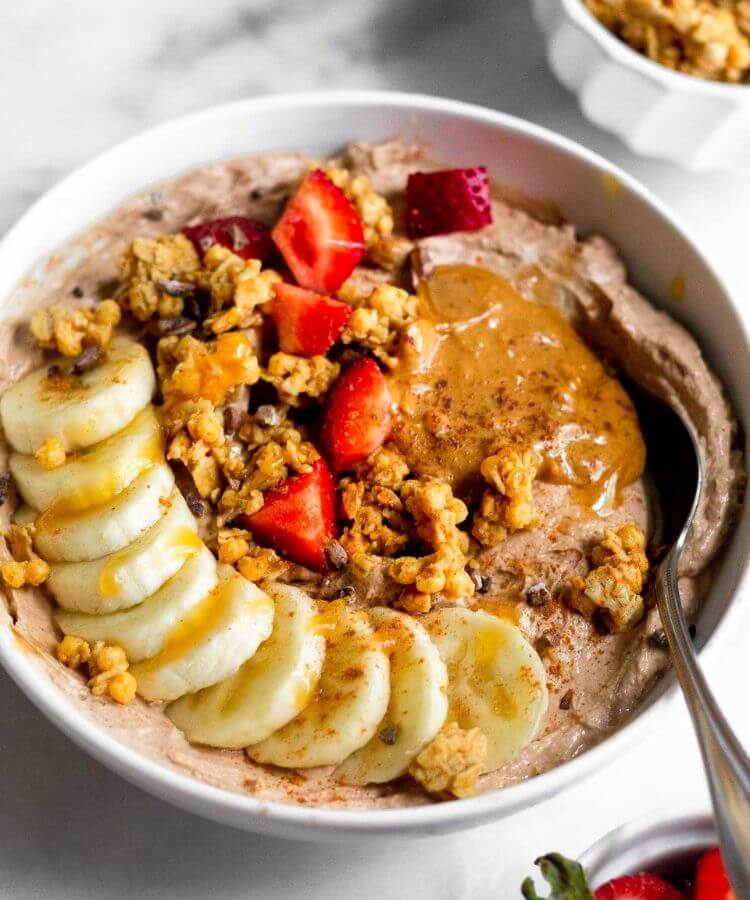
  17. Protein Yogurt Bowl

    Mix Greek yogurt with protein powder, peanut butter, and cinnamon for a creamy and high-protein breakfast.

  18. Homemade Protein Bars

    DIY protein bars are a cost-effective and tasty alternative to store-bought versions.

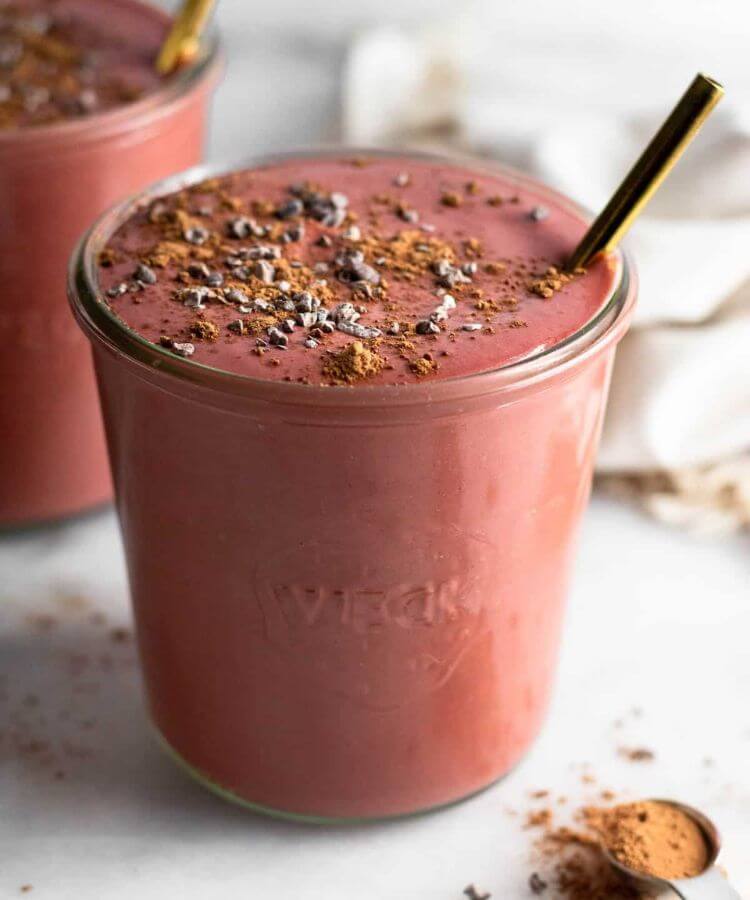
  19. Chocolate Beet Smoothie

    This velvety smoothie is packed with 32 grams of protein and is full of vitamins and nutrients.

  20. Chickpea Pancakes with Avocado Sauce

    These fluffy chickpea pancakes are a savory twist on traditional pancakes and are packed with flavor and protein.

Cost-Effective Breakfast Options

Eating a high-protein breakfast doesn’t have to be expensive. Oatmeal with almonds or peanut butter, whole grain bread with peanut butter, and cottage cheese toast are affordable and filling. Frozen berries and veggies, beans, and lentils in bulk are budget-friendly options. Plant-based proteins like tofu and beans are not only nutritious but also cost-effective.

Key Takeaways and Next Steps

Making high-protein breakfasts a regular part of your routine can transform your mornings. By understanding your protein needs, finding creative ways to add more protein to your meals, and choosing cost-effective options, you can make breakfast work for your lifestyle and goals. Ready to take the next step?

Try out new recipes, experiment with plant-based proteins, or chat with a registered dietitian to fine-tune your protein needs.

Whether you're whipping up a breakfast sandwich, stirring up a bowl of oatmeal with fruits and nuts, or blending a protein-packed smoothie, there are endless ways to enjoy a protein breakfast that keeps you fueled and satisfied all morning long.

MEET THE AUTHOR
Katherine Chang, Wellness Staff Writer
Katherine Chang is The Everygirl’s Wellness Staff Writer with over five years of experience in the health and wellness space. She navigates the latest wellness topics and trends through expert interviews and studies, and she’s always first in line to try them firsthand.

READ KATHERINE’S FULL BIO

ABOUT THE AUTHOR
Madigan Will, Assistant Editor
As an Assistant Editor for The Everygirl, Madigan writes and edits content for every topic under the digital media sun. As the oldest of four siblings, she enjoys utilizing her big sister persona to connect and inspire readers—helping them discover new ways to maximize their everyday.

READ MADIGAN’S FULL BIO

Friday, October 3, 2025

Online threats target key climate diet report

Online threats target key climate diet report

A Major Scientific Update on Healthy and Sustainable Diets

A significant scientific update to one of the most influential food and planetary health reports in recent years is currently facing a coordinated misinformation campaign. The EAT-Lancet Commission, an independent scientific body collaborating with the prestigious British medical journal The Lancet, has released a major revision of its 2019 report on diets that are both healthy for people and the planet. This updated report emphasizes the importance of incorporating a diverse range of nuts, legumes, whole grains, fruits, and vegetables into daily meals while significantly reducing meat, dairy, and sugar consumption.

This message, which seems straightforward, has been widely accepted by global health and environmental experts. According to Johan Rockström, co-chair of the commission and director of the Potsdam Institute for Climate Impact Research, food systems account for roughly 30% of global greenhouse gas emissions. New research from over 35 countries across six continents highlights how integrating healthy foods into dietary guidelines, addressing food loss and waste, choosing local products, and adopting sustainable agricultural practices can reduce environmental stress and cut emissions by more than half. These changes could also prevent up to 15 million premature deaths annually.

"By uniting the latest science on health and climate, it shows that what we put on our plates can save millions of lives, cut billions of tons of emissions, halt the loss of biodiversity, and create a fairer food system," Rockström stated.

A Coordinated Campaign Against the Planetary Health Diet

Despite the widespread acceptance of the "planetary health diet"—which was cited over 10,000 times since its initial release in 2019—this message has not been well-received in online communities that promote meat-centered diets as natural, essential, and environmentally friendly. The original report faced a surge of misinformation on social media, including misleading or biased content that undermined its findings.

An investigation by the Changing Markets Foundation revealed that a "targeted and coordinated campaign" involving industry-friendly scientists, doctors, health influencers, journalists, and authors aimed to discredit the 2019 EAT-Lancet report and its sustainability research. Critics portrayed the report as "dangerous, elitist, and anti-science." Maddy Haughton-Boakes, a senior campaigner at Changing Markets, noted that much of the backlash initially appeared organic but was later found to be orchestrated.

She explained that "mis-influencers" used similar wording and hashtags like #Yes2Meat, #MeatHeals, and #ClimateFoodFacts to promote the benefits of meat consumption. With rising food prices and geopolitical instability, there are signs that this latest report may face similar resistance.

Social Media and AI Fueling Misinformation

Haughton-Boakes pointed out that the weakening of fact-checking mechanisms and safeguards against misleading information on platforms such as X, Instagram, and Facebook have contributed to the spread of misinformation. The rise of AI tools has further accelerated the distribution of fake news, deepfake videos, and convincing images.

Jose Henrique Bortoluci, a sociologist with the Paris-based Geopolitical Studies Group, and Emmanuel Guerin, a fellow at the European Climate Foundation, highlighted how the relative freedom of social media has created an environment where climate disinformation thrives. They emphasized that opportunistic individuals and groups have mastered the art of imitating expertise or undermining it through the rise of pseudo-experts and think tanks that discredit climate science.

In an email to DW, Bortoluci stressed the need for social media platforms to be regulated similarly to broadcast media and advertising. He argued that no individual or institutional effort can limit the spread of fake news unless platforms themselves take responsibility for tackling the issue.

Reclaiming the Emotional Narrative

Rockström expressed concern about the resurgence of misinformation and climate denialism but emphasized that the new report is equipped to withstand these challenges. He clarified that the planetary health diet is not a one-size-fits-all approach, countering a common misinterpretation of the 2019 report.

Walter C. Willett, professor of epidemiology and nutrition at Harvard T.H. Chan School of Public Health, noted that the planetary health diet aligns with many traditional diets worldwide. To connect with people, the report will feature a series of images showcasing examples of this healthy meal plan on its website. This initiative aims to reclaim the "emotional narrative" that has been distorted by misinformation.

"[The pictures] make the case that this is not a deprivation diet that we're talking about," said Willett. "This is something that could be delicious, aspirational, and healthy."

Sunday, August 17, 2025

I Ate Cottage Cheese Daily for a Week—Here’s the Result

I Ate Cottage Cheese Daily for a Week—Here’s the Result

Featured Image

The Versatility of Cottage Cheese: A High-Protein Snacking Revolution

As spring approaches, the trend of high-protein snacking has taken off, especially on platforms like TikTok. Videos featuring cottage cheese have amassed over 265 million views, showcasing a variety of creative recipes such as cottage cheese toast and even cottage cheese ice cream. This dairy product is gaining popularity for its versatility and nutritional benefits.

Registered dietitian Crystal Scott emphasizes the adaptability of cottage cheese, stating that it can be incorporated into almost any meal. It can enhance scrambled eggs, making them creamier while boosting their nutritional value. The possibilities are endless when it comes to this simple dairy product.

During a week-long experiment, I found that incorporating cottage cheese into my daily routine was both satisfying and enlightening. The high protein content in a single cup of 1% cottage cheese provides 28 grams of lean protein with only two grams of saturated fat. This makes it an excellent option for those looking to maintain a balanced diet.

Dr. Guan highlights the benefits of cottage cheese, noting that it is a great source of protein and can easily be integrated into various meals. Its convenience makes it ideal for families and busy individuals who need quick, nutritious options.

The Power of Casein Protein

Cottage cheese is particularly rich in casein protein, which is known for being slow-digesting. This means it provides a sustained release of amino acids to muscles, supporting muscle recovery and immune function. Additionally, casein is high in glutamine, which further aids in these processes.

An associate editor from The Healthy @ Reader’s Digest shared her positive experience with cottage cheese. She uses it as a pre-workout snack, finding that it keeps her energized without the need for additional snacks. She also noted that it helps keep her full throughout the day, reducing the urge to snack unnecessarily.

Probiotics and Gut Health

Cottage cheese can also be a valuable source of probiotics, similar to yogurt. However, not all products contain probiotics, so it's essential to check the label. If the ingredients list cultured milk, it's likely that the product contains beneficial probiotics. These can support gut health and aid in digestion.

For those sensitive to dairy, the probiotic content of cottage cheese might offer unexpected benefits. One individual reported that consuming cottage cheese helped regulate her bowel movements, contrary to her initial concerns about dairy causing constipation.

Bone Health Benefits

Calcium is another significant nutrient found in cottage cheese. A half-cup serving provides 10% of daily calcium needs, contributing to strong bones. Incorporating cottage cheese into meals can be a simple way to boost calcium intake.

Creative Uses for Cottage Cheese

Beyond its traditional use, cottage cheese can be transformed into various dishes. Whipping it with peanut butter, honey, and cinnamon creates a delicious, high-protein snack. Similarly, mixing it with garlic, lemon, and chives results in a savory dip perfect for vegetables.

Considerations for Sodium and Fat Content

While cottage cheese offers numerous benefits, it's important to be mindful of its sodium and fat content. A half-cup serving of some brands can contain up to 750 milligrams of sodium, which is a significant portion of the daily recommended limit. Additionally, full-fat varieties may contribute more saturated fat, which should be considered for heart health.

In conclusion, cottage cheese is a versatile and nutritious option that can be enjoyed in many forms. Whether used as a snack, a meal component, or a base for creative recipes, it offers a range of benefits that make it a valuable addition to any diet.

Sunday, August 10, 2025

37 Easy Low-Calorie Salads for Weekly Meals

37 Easy Low-Calorie Salads for Weekly Meals

Featured Image

A Variety of Salads to Satisfy Every Palate

Salads are a versatile and nutritious way to enjoy a wide range of flavors and textures. From classic green salads to more unique combinations, there’s something for everyone. Below is a collection of various salad recipes that cater to different tastes and dietary needs.

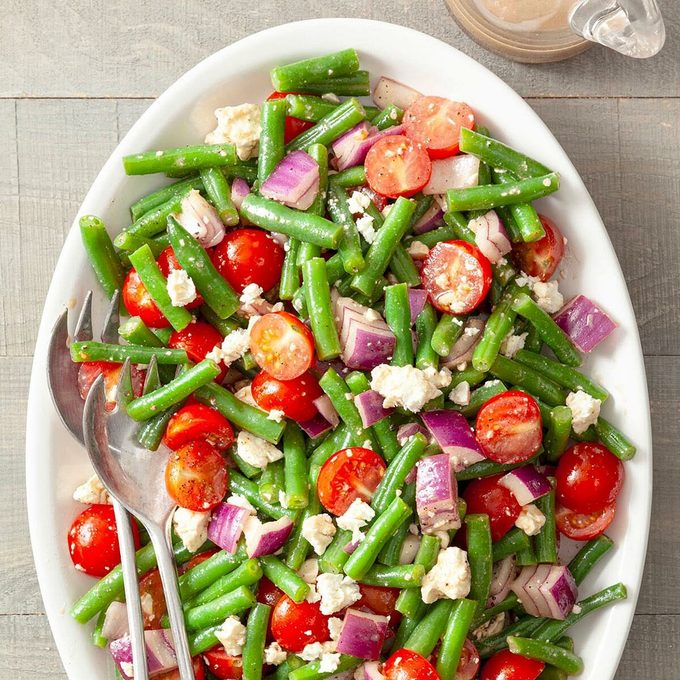
Green Bean Salad

This refreshing green bean salad offers a tangy twist with balsamic flavors that complement any meal or holiday gathering. It's a simple yet satisfying dish that can be enjoyed in 30 minutes, serving 16 people. The nutritional profile includes 77 calories per serving, with a balance of fat, protein, and carbohydrates. This salad is perfect for those looking for a light and healthy option.

Zesty Steak Salad

For a hearty and flavorful option, the zesty steak salad combines stir-fried steak with vegetables, offering a cozy kick. It can be customized with toppings like shredded cheese, croutons, mushrooms, or cucumbers. This recipe takes 20 minutes to prepare and serves 4 people. With 218 calories per serving, it's an excellent choice for a quick lunch or dinner.

Salad with Salmon

This low-calorie salad is ideal for those seeking a healthy and fast meal. It's easy to make after a long day at work, featuring salmon as the star ingredient. The recipe serves 2 people and has 265 calories per serving. The combination of salmon, vegetables, and a light dressing makes this salad both delicious and nutritious.

Almond Strawberry Salad

A vibrant and flavorful salad, the almond strawberry salad features strawberries and sliced almonds, making it a delightful addition to any meal. It's quick to prepare, taking only 10 minutes, and serves 4 people. With 75 calories per serving, this salad is a great option for those looking for a sweet and crunchy bite.

Twisted Eggs Benedict Salad

This unique salad offers a breakfast twist on a traditional favorite. It can be prepped overnight and dressed in the morning, making it a convenient option. The recipe serves 8 people and has 199 calories per serving. The combination of eggs, salad, and a creamy dressing creates a satisfying and indulgent meal.

Cauliflower Potato Salad

This innovative take on a classic potato salad uses cauliflower as a base, along with carrots, olives, and other surprises. It's a healthy alternative that serves 8 people and has 61 calories per serving. This salad is perfect for those looking for a lighter version of a traditional dish.

Chicken Taco Salad

This chicken taco salad is a versatile dish that can be used in various meals, including tacos, sandwiches, omelets, and enchiladas. It serves 6 people and has 143 calories per serving. The recipe is easy to prepare and can be customized with various seasonings and toppings.

Shrimp & Nectarine Salad

A refreshing summer salad, the shrimp and nectarine salad combines shrimp, corn, tomatoes, and nectarines with a tarragon dressing. It serves 4 people and has 252 calories per serving. This salad is perfect for a cool meal on a hot day.

Watermelon and Spinach Salad

This summer salad is a delightful combination of watermelon and spinach, offering a refreshing and healthy option. It serves 8 people and has 84 calories per serving. The combination of sweet watermelon and leafy spinach creates a balanced and tasty dish.

Shrimp Scampi Salad

Combining the flavors of shrimp scampi and fresh spinach, this salad is a favorite among families. It serves 4 people and has 201 calories per serving. The recipe is quick to prepare and offers a delicious and nutritious meal.

Cucumber Tomato Salad

This fast and fresh salad is a winner at every gathering. It serves 6 people and has 90 calories per serving. The combination of cucumbers and tomatoes makes for a simple yet flavorful side dish.

Marinated Tomatoes

These colorful low-calorie tomatoes are perfect for buffets or large gatherings. They can be prepared hours ahead and serve 8 people. With 93 calories per serving, this salad is a great option for any occasion.

Turkey and Pasta Ranch Salad

This easy pasta salad is loaded with fresh veggies and a classic ranch dressing that appeals to kids. It serves 6 people and has 256 calories per serving. The combination of turkey, pasta, and vegetables makes for a satisfying and healthy meal.

Green Salad with Shrimp and Wine Vinaigrette

This tasty green salad with shrimp is light and can be made with whatever vegetables you have on hand. It serves 5 people and has 277 calories per serving. The wine vinaigrette adds a nice touch of flavor to the dish.

Sesame Beef & Asparagus Salad

This meaty salad is wonderful at the start of asparagus season. It serves 6 people and has 160 calories per serving. The combination of beef and asparagus creates a hearty and flavorful dish.

Classic Cobb Salad

This classic salad is a favorite for its variety of ingredients and flavors. It serves 4 people and has 260 calories per serving. The combination of meats, vegetables, and a creamy dressing makes for a satisfying meal.

Heirloom Tomato Salad

This simple yet elegant dish is always a hit with guests. It serves 6 people and has 75 calories per serving. The variety of colors in the tomatoes adds visual appeal to the dish.

Spinach Salad with Warm Bacon Dressing

This comforting spinach salad with bacon dressing is a favorite in winter. It serves 4 people and has 280 calories per serving. The warm bacon dressing adds a rich and savory flavor to the dish.

Dill Garden Salad

This salad features a mix of fresh vegetables and a delicious dill dressing. It serves 6 people and has 75 calories per serving. The combination of vegetables and herbs makes for a refreshing and healthy meal.

Spicy Coleslaw

This coleslaw is a favorite for picnics and barbecues. It serves 8 people and has 34 calories per serving. The spicy dressing adds a kick of flavor to the dish.

Watermelon Tomato Salad

This eye-catching salad combines watermelon and tomatoes for a winning combination. It serves 18 people and has 33 calories per serving. The sweet and tangy flavors create a refreshing and healthy dish.

Italian Potato Salad

This simple-to-assemble potato salad is perfect for picnics and outings. It serves 10 people and has 170 calories per serving. The addition of other fresh vegetables allows for customization.

Radish Asparagus Salad

This fresh spring salad features lemon zest and mustard in the dressing, adding a punch of flavor. It serves 6 people and has 73 calories per serving. The combination of asparagus and radishes makes for a crisp and refreshing dish.

Feta Garbanzo Bean Salad

This quick garbanzo bean salad is a hit with crowds. It serves 4 people and has 268 calories per serving. The addition of grilled chicken or steak can turn it into a hearty main-dish salad.

Garden Tomato Salad

This tomato and cucumber salad is a favorite for its simplicity and freshness. It serves 8 people and has 92 calories per serving. The combination of tomatoes and cucumbers makes for a refreshing and healthy side dish.

Tarragon Asparagus Salad

This asparagus salad is drizzled with a light, lemony vinaigrette and tarragon. It serves 4 people and has 77 calories per serving. The combination of asparagus and tarragon adds a fresh and flavorful touch.

Cucumber and Red Onion Salad

This cucumber and onion salad is a great option for picnics or potlucks. It serves 4 people and has 31 calories per serving. The combination of cucumbers and onions makes for a simple and refreshing dish.

Strawberry-Blue Cheese Steak Salad

This tangy steak salad is a favorite among families. It serves 4 people and has 289 calories per serving. The combination of steak, strawberries, and blue cheese creates a unique and flavorful dish.

Pork Salad

This easygoing meal features healthful veggies, pork tenderloin, fresh herbs, and a warm soy dressing. It serves 2 people and has 229 calories per serving. The combination of ingredients makes for a satisfying and healthy meal.

Spring Pea & Radish Salad

This fresh spring salad is a welcome change from winter dishes. It serves 6 people and has 50 calories per serving. The combination of peas and radishes adds a crisp and refreshing flavor.

Asparagus Spinach Salad with Chicken

This salad is a favorite during the summer months, packed with fresh produce. It serves 6 people and has 267 calories per serving. The combination of asparagus, spinach, and chicken makes for a hearty and healthy dish.

Pork and Balsamic Strawberry Salad

This entree salad is a welcome sign of warmer days. It serves 4 people and has 291 calories per serving. The combination of pork, balsamic, and strawberries creates a unique and flavorful dish.

Nectarine and Beet Salad

This colorful mixed green salad features beets, nectarines, and feta cheese. It serves 8 people and has 84 calories per serving. The combination of ingredients creates a scrumptious and visually appealing dish.

Tuna Nicoise Salad

This classic French salad features veggies, potatoes, tuna, and eggs. It serves 4 people and has 327 calories per serving. The combination of ingredients makes for a hearty and flavorful meal.

Orange Chicken Spinach Salad

This salad features chicken, spinach, mandarin oranges, and red onion, tossed with a tangy vinaigrette. It serves 4 people and has 270 calories per serving. The combination of ingredients creates a refreshing and colorful dish.

Strawberry-Turkey Spinach Salad

This light and refreshing salad features fresh strawberries, yellow peppers, and baby spinach. It serves 4 people and has 260 calories per serving. The combination of ingredients makes for a visually appealing and nutritious dish.

Refreshing Shrimp Salad

This filling yet light salad features avocado, strawberries, and shrimp, with a variety of dressings to choose from. It serves 4 people and has 239 calories per serving. The combination of ingredients creates a refreshing and satisfying meal.

Low Calorie Salads FAQ

How can I make a filling, low-calorie salad?
To make a low-calorie salad more filling, start with a base of fiber-rich greens or chopped vegetables and then add in lean protein like grilled chicken, beans, tofu, or hard-boiled eggs. You can also bulk up the salad by adding hearty grains, roasted seasonal vegetables, a spoonful of hummus, or some healthy fat like avocado or nut butters.

What dressings are best for low-calorie salads?
Dressings made with lemon juice, vinegar, mustard, or Greek yogurt are some of the best low-calorie options. They’re easy to make at home and can be adjusted for dietary needs. For example, a classic vinaigrette with lemon juice, olive oil, and Dijon mustard adds brightness without adding extra calories and works with most salads. If you’re avoiding dairy, blend some tahini with fresh herbs and a little water to make a creamy, dairy-free dressing for richness and balance without needing yogurt or sour cream.

Can low-calorie salads include grains or pasta?
Yes, you can make low-calorie salads using grains and pasta, as long as you keep portions in check and balance them with plenty of vegetables and lean protein. Whole grains like quinoa, bulgur, or farro are fiber-rich and add a nice texture, making salads more satisfying without adding too many calories. For pasta salads, pair the pasta with crunchy veggies, herbs, and a light vinaigrette.

Sunday, July 20, 2025

Top 19 Tips to Save Money on Plant-Based Shopping

Top 19 Tips to Save Money on Plant-Based Shopping

Featured Image

About the Experts

Bridget Wood is a registered dietician nutritionist and certified diabetes care education specialist with a private practice in Reno, Nevada. She also serves on the Advisory Board for Risely Health and acts as a diabetes coach with Your Diabetes Insider.

Beth Stark is a registered dietician nutritionist with a private practice in Harrisburg, Pennsylvania. She works with individual patients, brands, and organizations to create custom recipe plans and provide health and wellness guidance.

Erika Allen is the founder and CEO of Urban Growers Collective, an organization focused on community food security.

Sandra Zhang is a registered dietician nutritionist and pediatric dietitian at the Frances Stern Nutrition Center at Tufts Medical Center. She specializes in treating weight management, hyperlipidemia, prediabetes, nutrient deficiencies, gastrointestinal conditions, and enteral nutrition.

Kelsey Lorencz is a plant-based registered dietitian in Saginaw, Michigan. She runs Graciously Nourished, a platform that prioritizes sustainable healthy eating habits, meal planning, and quick-and-easy recipes.

Dani Lebovitz is a registered dietician nutritionist, pediatric dietitian, and owner of Kid Food Explorers. She’s also a certified diabetes care education specialist and serves as a peer reviewer for several nutrition journals.

Toby Smithson is a registered dietician and senior manager of nutrition and wellness for the American Diabetes Association. She’s also the founder of Diabetes Everyday, an organization that supports diabetes management through nutrition and lifestyle.

JaLorean Hayes is a registered nurse, public health expert, and founder of Meal Maps, a platform that helps people manage health conditions through diet and nutrition.

Joan Salge Blake is an award-winning nutrition professor at Boston University and host of the nutrition and health podcast Spot On! She’s also a spokesperson for the Academy of Nutrition and Dietetics and author of several nutrition books.

Vandana Sheth is a registered dietitian nutritionist who specializes in plant-based and diabetes nutrition. She runs a nutritional consulting business in Los Angeles and is a Fellow of the Academy of Nutrition and Dietetics.

Highlights

There are many potential health benefits associated with a nutrient-dense, plant-based diet. However, it’s a misconception that plant-based or vegan diets are more expensive. Experts recommend being selective about which organic produce you buy and knowing when to buy canned or frozen. Shopping sales and using apps can help you significantly cut down on your grocery bill. If you’re looking to eat more plant-based foods, you don’t have to spend a lot of money. A vegan or vegetarian diet—or one simply that has more plants added to it—can be affordable if you know how to save money on groceries, and, in many cases, they can cost less than following a traditional diet. So yes, you can still eat plant-based on a budget.

“When people think of plant-based eating, they think they need specialized products,” says Bridget Wood, RDN, CDCES, a registered dietician nutritionist in Reno, Nevada. “But you can get the job done with things like beans, legumes, nuts, tofu, edamame, vegetables, fruit, and whole grains. These items are often more affordable than the packaged convenience plant-based foods and can be more nutritious as well.”

Think of it like this: You’re going to want a protein with dinner. Well, at FreshDirect, you can get turkey breast for $8.29 a pound or steak for a minimum of $10.99 a pound (and the price goes up considerably for more popular cuts)—or you can get 14 ounces of organic tofu for $3.69. The plant-based option costs significantly less.

Why Follow a Plant-Based Diet

Before we jump into how to save money on groceries, let’s talk about what plant-based eating means. Unlike a vegan or vegetarian diet, a plant-based diet may include some meat and animal products, as well as poultry and seafood. So you can be a vegan eater and follow a plant-based diet—or you can be a flexitarian on a plant-based diet. (A flexitarian diet leans towards plants without completely cutting out meat.)

Eating a plant-based diet simply means eating more plants, including plant-based protein. “Because a well-planned plant-based diet will include an overall abundant intake of powerful, health-protective vitamins, minerals, and plant nutrients, it offers many health perks,” says Beth Stark, RDN, LDN, a registered dietician nutritionist with a private practice in Harrisburg, Pennsylvania. “This includes a lower risk for chronic diseases like heart disease, diabetes, and certain cancers. A plant-based diet also promotes a healthier gut, thanks to a higher fiber intake.”

Of course, to get those health benefits, you need to eat balanced meals. Think of a protein (for instance, tofu, beans, nuts, or seeds), a healthy fat (such as avocado, olives, or olive oil), a whole grain (like brown rice, quinoa, or oats), and a vegetable or fruit at every meal. “A plant-based diet isn’t a healthier option and won’t deliver positive health benefits when it’s lacking in nutrient-dense foods,” adds Stark.

Now that we’ve gone over the whys of following a plant-based diet, let’s talk about how you can lower your grocery bill.

Tips to Save Money on Groceries

  1. Plan around what will spoil first
    “Before shopping, always create your upcoming week’s meal plan to focus on fresh ingredients that are verging on the end of their shelf life and need to be used up,” says Stark. This step prevents you from buying duplicate ingredients that might go to waste, ultimately causing you to throw dollars right in the trash.

  2. Buy in bulk
    “Shop in bulk, especially for dry goods or canned goods,” says Julia Zumpano, RD, LD, a registered dietitian with the Cleveland Clinic Center for Human Nutrition. Research from the University of Massachusetts Amherst estimates bulk items, on average, come at about a 30% discount.

  3. Batch cook whole grains
    “Prepare a big batch of your favorite whole grain, like super budget-friendly brown rice, at the beginning of the week to incorporate into quick meals like grain bowls, salads, casseroles, tacos, or stir-fries when you’re especially time-pressed,” says Stark.

  4. Plan several meals with the same protein
    “If you have two to three meals or snacks that will use pinto beans, it’s easy to cook a batch on the weekend and use these throughout the week to create several different meals,” says Kelsey Lorencz, RD, a plant-based registered dietitian in Saginaw, Michigan.

  5. Freeze produce
    Have extra cauliflower from salad prep or extra bananas that went brown too fast? Freeze them in freezer-safe zip-top bags. You can use them to make a plant-based breakfast or dessert.

  6. Use the whole plant
    “Maximize your money and minimize food waste by finding creative ways to use every last bit of your produce!” says Dani Lebovitz, MS, RDN, CDDS, CDCES, a pediatric dietician and owner of Kid Food Explorers.

  7. Start gardening
    “Plant a garden,” says Toby Smithson, RDN, CDCES, FAND, a registered dietician and senior manager of nutrition and wellness for the American Diabetes Association.

  8. Avoid mock meats
    “Avoid using a lot of plant-based convenience foods such as mock meats and cheeses, as the price can be pretty hefty on these pre-packaged foods,” says Lorencz.

  9. Choose protein strategically
    “Stick to the basics,” Zumpano advises. “Tofu is much less expensive than meat alternatives.” Mock meats and plant-based alternatives for animal products are pricey—but they’re also not as healthy as you think they might be.

  10. Buy frozen and canned produce
    “For produce, check out the price of frozen versus fresh—it can be a significant cost savings,” Zumpano says.

  11. Choose organic food wisely
    “Organic food is more expensive,” Zumpano says. Organic farms tend to have higher labor costs, more expensive farming methods, and produce less food—all of which drive up costs that fall onto you, the buyer.

  12. Buy on-sale foods
    “One of the best bargains in the supermarket is to buy foods that are marked down in price,” says Joan Salge Blake, EdD, RDN, LDN, FAND, a nutrition professor at Boston University and host of the nutrition and health podcast Spot On!

  13. Shop around
    Need saffron or tofu? “Shop at ethnic markets to find better pricing—for example, Indian grocery stores for spices and Asian markets for tofu,” says Vandana Sheth, RDN, CDCES, FAND, a registered dietician nutritionist and author of My Indian Table.

  14. Find major savings using apps
    Many grocery chains today have their own apps, so you can check out prices ahead of time. These apps also offer insight into current sales and often have in-app exclusive deals based on what the store has an excess of at a given time.

  15. Clean your pantry and fridge
    “Clean up your pantry or fridge,” Zhang says. Keeping your fridge and pantry tidy also helps prevent overbuying, as it’s easier to see what you have, so you don’t accidentally get duplicates.

  16. Buy seasonal
    “When we shop produce in season, we get the benefits of fresher food at a lower cost,” Hayes explains.

  17. Get a produce saver
    “Invest in a produce saver,” Hayes recommends. This can be in the form of specialty containers, storage bags, or ethylene gas absorbers.

  18. Avoid costly food traps
    Spice blends can be pricey—and they often go bad before you finish using them. Make your own and use up ingredients like crushed red pepper and dried basil, for instance, when blending your own pizza seasoning.

  19. Use local resources
    “SNAP (Supplemental Nutrition Assistance Program) helps low-income households afford groceries,” says Allen. “And Double Up Food Bucks matches SNAP dollars spent on fruits and vegetables at participating farmers markets and grocery stores.”

  20. Produce Mistakes You Didn’t Know You Were Making
    There are common mistakes people make when choosing and storing produce that can lead to waste and higher costs. Being aware of these can help you save money and reduce food waste.