Monday, August 11, 2025

Protein & Metabolism: The Key to Stable Blood Sugar

Protein & Metabolism: The Key to Stable Blood Sugar

Featured Image

The Power of Protein for Metabolic Health

If I had to choose one nutrient to support your metabolism, help you stay lean, and manage cravings—especially during midlife—it wouldn’t be carbs or fat. It would be protein. Most people think they eat enough protein, but when you actually track it, the numbers tell a different story. Research shows that adults, especially women over 40, often consume far below optimal amounts for maintaining muscle mass and metabolic health. And if you’re dealing with insulin resistance, type 2 diabetes, or trying to manage weight without constant hunger, falling short on protein can make everything harder.

Protein is more than just a muscle-building nutrient. It’s a multitasker in the nutrition world. Yes, it builds muscle, but it also makes hormones, repairs cells, keeps your immune system strong, and plays a huge role in appetite regulation. It slows digestion, blunts post-meal glucose spikes, and helps protect lean muscle—which is the biggest driver of your resting metabolic rate. In other words, the more muscle you keep, the more calories you burn doing absolutely nothing.

And yet, there’s confusion around protein. Maybe you’ve heard that too much protein “turns into sugar” in your body. Or maybe you’ve avoided eating more because you think it’s only for bodybuilders. Let’s break this down.

Protein’s Many Roles Beyond Muscle Building

Protein isn’t just a “muscle food.” If you removed every dumbbell and squat rack from the world tomorrow, your body would still need protein every single day. Think of protein as both the scaffolding and the maintenance crew of your body. It’s not just for biceps. It’s in your hair, skin, nails, hormones, enzymes, and immune system. Without enough protein, repairs slow down, maintenance checks get skipped, and systems start to wear out quietly at first.

How Protein Supports Hormones

Many of the chemical messengers that regulate your metabolism, appetite, and stress response are built from amino acids, the building blocks of protein. If you’re not getting enough, it’s like trying to send important emails without a Wi-Fi signal. The message just doesn’t get through the way it should.

How Protein Supports Immune Health

Every antibody your body produces is a protein. Immunoglobulins are essentially your body’s defense team. Without the right building blocks, your immune "army" can't recruit enough soldiers. That’s why protein malnutrition is linked to higher infection rates.

How Protein Supports Metabolism

One of the most powerful but underrated things protein does is slow down digestion. Pair it with carbs, and it blunts the blood sugar spike you’d get if you ate carbs alone. This steadier rise in glucose helps avoid the dreaded crash-and-crave cycle later. You’ve probably experienced this difference without even realizing it—think about the difference between eating a plain bagel versus eggs with toast. Same carbs, different metabolic outcomes.

Protein also talks directly to your hunger hormones. When you eat it, your gut releases peptide YY and GLP-1, which help you feel fuller for longer. That’s not “willpower”—that’s biochemistry.

How Protein Supports Menopause

Now, let’s zoom in on midlife. This is where things get serious. Starting in your 40s, sarcopenia (the gradual loss of muscle mass) starts to speed up. Without enough protein and resistance training, you can lose 3–8% of your muscle per decade. And the loss isn’t just about strength. Muscle is your metabolic engine. The more you have, the more calories you burn doing absolutely nothing. The less you have, the harder it is to maintain your weight even if nothing about your diet changes.

Imagine your metabolism is a wood-burning stove. Muscle is the size of the stove, and protein is the wood. If your stove gets smaller over time because you’re losing muscle, it can’t burn as much fuel. Your daily calorie needs shrink, and weight creeps up more easily. Protein helps you keep that stove big and powerful.

The Truth About Protein, Insulin, and Blood Sugar Stability

Okay, let’s talk about the elephant in the nutrition room: insulin. Insulin is not the enemy. It’s a hormone. It’s supposed to rise after meals. The problem is when it’s elevated all the time, like it often is in insulin resistance.

Now, here’s where protein throws people off. Yes, protein can trigger insulin release. Certain amino acids, like leucine, are pretty good at it. But here’s the twist: when you eat protein, your body also releases glucagon. Glucagon is insulin’s counterbalance. It helps raise or maintain blood sugar levels by signaling the liver to release glucose.

So, while carbs spike insulin without that balancing act, protein gives you the best of both worlds: some insulin for muscle building and nutrient storage, plus glucagon to keep your blood sugar stable. This is one reason protein doesn’t throw you into the same blood sugar rollercoaster that refined carbs do. If you’ve ever had a protein-heavy breakfast, say, eggs and bacon, you probably noticed you stayed full longer and didn’t crash mid-morning. That’s glucagon quietly doing its job alongside insulin.

Debunking the “Too Much Protein Turns to Sugar” Myth

Now, we have to address one of the most persistent myths: “Too much protein turns into sugar.” Here’s the reality. The process they’re talking about is called gluconeogenesis. Yes, your body can make glucose from non-carbohydrate sources like amino acids. But here’s the key: it’s demand-driven, not supply-driven. That means your body isn’t sitting there saying, “Oh, extra protein! Let’s just crank out sugar for fun.” It only makes glucose if your cells actually need it, like to fuel your red blood cells or your brain when dietary carbs are low.

In a healthy system, think of it like an on-demand water delivery service. If no one’s ordering, no one’s delivering. You could have a whole warehouse of bottled water, or in this case, amino acids, but if there’s no request, production doesn’t just go off the rails.

Where this myth gets sticky is in certain contexts. If you’re overfeeding protein and your energy needs are already met, and you’re sedentary, yes, some excess could be converted. But for most people, especially those working on blood sugar stability, metabolic repair, or midlife muscle preservation, the benefits of adequate protein intake far outweigh that theoretical risk.

And here’s something really interesting: in people with type 2 diabetes, higher protein intake—without increasing carbs—can actually improve post-meal blood sugar responses. That’s because the combination of slower digestion, balanced insulin/glucagon release, and improved satiety leads to better overall glucose control.

Another point that’s often overlooked: insulin’s role in protein metabolism is different from its role with carbs. When you eat protein, insulin helps shuttle amino acids into your muscles for repair and growth. This is essential for maintaining lean mass, which, as we talked about earlier, is your metabolic engine. If you chronically under-eat protein, you lose out on that muscle-preserving effect, which can indirectly worsen insulin resistance over time because you have less tissue to dispose of glucose.

How Much Protein Do You Really Need?

Alright, so now that we know protein isn’t just a gym bro obsession, and it’s not secretly out to turn into sugar the minute you swallow it, the big question is: how much do you actually need?

Here’s where most people get it wrong. They hear “protein requirements” and assume the RDA (0.8 grams per kilogram of body weight) is the gold standard. But that number is just the bare minimum to prevent deficiency in the average sedentary adult. It’s like saying you only need 400 calories a day to avoid starving to death. Maybe that is true (maybe not), but terrible advice for thriving.

If you want to protect your muscle mass, keep your metabolism humming, and support blood sugar control, especially in midlife or with insulin resistance, the optimal intake is higher. Most research points to 1.2–1.6 grams of protein per kilogram of ideal body weight for metabolic health and lean mass preservation.

Let’s put that in real terms. If your ideal body weight is 140 pounds (which is about 64 kg), that’s roughly 75 to 100 grams of protein a day. And here’s the kicker: most people aren’t even close.

When I have clients track their food for three days, the pattern is almost always the same. Breakfast is a carb party. Maybe it is some toast, a banana, or cereal. Lunch might have 15–20 grams of protein, dinner maybe 25–30 grams. And by the end of the day, they’re sitting at 50–60 grams total. That’s barely enough to maintain minimum function, let alone support a strong metabolism.

And there’s another piece: timing matters. Your body has a limit to how much muscle protein synthesis it can trigger from a single meal, roughly 25–35 grams for most women, depending on age and training status. That’s why spreading your protein across the day is more effective than front-loading it all at dinner.

Practical Ways to Hit Your Protein Goals

By now, you might be thinking, “Okay, I get it… I need more protein. But how do I actually do that without living on plain chicken breast or eating the same three meals on repeat?” Here’s the thing—even in the keto and low-carb world, a lot of people unintentionally under-eat protein.

Mistake number one: relying on one big portion of meat at dinner and thinking it’s enough for the day. Your body uses protein best when it’s spread evenly across meals, so hitting a solid target at breakfast and lunch matters just as much as dinner.

Mistake number two: building meals entirely around fat and letting protein become an afterthought. Keto “fat bombs,” butter coffee, and piles of cheese might fit your macros, but they don’t get you anywhere close to optimal protein for muscle, metabolism, or blood sugar stability.

So let’s talk about what does work—practical, realistic ways to get enough protein without it feeling like a chore:

Breakfast: Aim for 25–30 grams of protein right out of the gate. That might be eggs with extra egg whites and cheese, a meat-and-egg scramble with spinach and mushrooms, or a protein coffee made with unsweetened whey isolate and heavy cream.

Lunch: Think in ounces, not slices. Four to six ounces of grilled chicken, salmon, pork tenderloin, or turkey thigh meat is a solid base. Add avocado, olive oil, or a creamy dressing for fat and flavor.

Dinner: Go for higher-protein cuts that still work with keto macros—sirloin, pork chops, salmon, halibut, or even ground beef. Keep an eye on portion size so you’re not short-changing yourself.

Snacks: When hunger hits between meals, skip the keto treats and use it as an opportunity to add protein. Jerky with no added sugar, hard-boiled eggs, leftover steak slices, grilled shrimp, or cottage cheese (if you tolerate dairy) are quick wins.

Here’s a simple tip that works for almost everyone: front-load your protein. If you hit 30 grams at breakfast, it’s a lot easier to meet your daily goal without feeling like you’re forcing food later in the day. Research shows that higher-protein mornings help lower ghrelin (your hunger hormone) and keep you full for hours.

And remember, it doesn’t have to be fancy. Some of the easiest protein wins take under five minutes:

  • Egg scramble with cheese and spinach
  • Protein coffee with unsweetened whey isolate
  • Tuna mixed with avocado and salt, eaten straight from the bowl

If you’re at 50 grams a day right now, don’t try to jump to your full target overnight. Add 10–15 grams here and there. In a few weeks, you’ll be hitting your numbers and your muscle, metabolism, and blood sugar will thank you.

The Bottom Line: Protein as a Daily Metabolic Strategy

If you take nothing else from this article, remember this: protein is not just about building muscle, it’s about protecting the very systems that keep your metabolism, your blood sugar, and your appetite in balance.

So here’s my challenge for you: track your protein for the next three days. No pressure, no guilt, just information. See where you’re starting from, and then use some of the strategies you learned to bring that number closer to your optimal range. You might be surprised how quickly you notice changes in your energy, your cravings, and even your body composition.

Sunday, August 10, 2025

Drinks That Chill - Do They Deliver?

Drinks That Chill - Do They Deliver?

Featured Image

The Rise of Calm in a Can: Functional Beverages and the Quest for Relaxation

In today’s fast-paced world, many people are turning to functional beverages as a way to find a moment of calm. These drinks, marketed as stress-relievers, are gaining popularity among those juggling careers, family life, and personal wellness goals. Lucy and Serena, two friends with busy lives, have found these drinks helpful when they feel overwhelmed or anxious.

"These drinks aren't going to eliminate all my worries," says Serena, "but if they give me a little boost, I'll take it." Lucy agrees, noting that when she feels a low-level panic, a drink like Trip can help her regain her composure.

However, not everyone is convinced about the effectiveness of these products. A recent ad from one of the industry's top brands was banned for suggesting its drinks could help with stress and anxiety. This has sparked questions about whether these beverages truly deliver on their promises.

Experts in nutrition and psychology have expressed skepticism about the impact of the small amounts of supplements found in these drinks. According to dietitian Reema Patel, the quantities may not be enough to provide the emotional balance or stress relief advertised by the industry. She points out that while some research exists on ingredients like Lion’s Mane mushroom, there is still no conclusive evidence about their effectiveness.

The functional beverage market is growing rapidly. British supermarkets have seen sales jump by 24.5% in the last year, with nearly 30% of UK households now purchasing these drinks. Brands like Trip, Rheal, Grass&Co, and Goodrays are marketing their products with ingredients such as:

  • Lion’s Mane extract – a type of mushroom associated with cognitive support
  • L-theanine – an amino acid found in tea, known for promoting relaxation
  • Ashwagandha – an herb used in traditional medicine to reduce stress
  • Magnesium – a mineral essential for overall health

While these ingredients are commonly linked to mood enhancement, energy boosting, and stress reduction, the scientific evidence supporting these claims varies. Some studies suggest that higher doses of these supplements, such as 1800mg of Lion’s Mane, may have more significant effects than what is found in typical functional beverages.

Performance nutritionist Dr. Sinead Roberts notes that supplements can make a difference for specific groups, such as athletes or individuals with nutrient deficiencies. However, she cautions that for the general population, these drinks may not offer substantial benefits. “A trace of Lion’s Mane or Ashwagandha in a fizzy drink is unlikely to make a real difference,” she adds.

Some consumers, like 25-year-old Emily May, don’t care about the science behind the drinks. She enjoys the taste and finds them a good alternative to alcohol. “I’m ADHD, so I’d need a lot more than one of these drinks to calm down,” she says.

Psychologist Natasha Tiwari highlights the fine line between advertising a product for relaxation and claiming it can treat mental health issues. She warns that the wellness sector often conflates mental health with well-being, creating a “toxic mix.” While the experience of drinking these beverages can offer temporary relief, the effects may come more from the act of taking time for oneself rather than the ingredients themselves.

For Lucy and Serena, the appeal of these drinks lies in the brief moments of peace they provide. Whether the science supports it or not, a can of calming beverage offers a welcome respite from the chaos of daily life.

Brands like Grass&Co emphasize their commitment to natural blends and expert formulation, backed by approved health claims. As the functional beverage market continues to expand, consumers must weigh the potential benefits against the lack of robust scientific evidence and consider alternatives like therapy or massage for long-term well-being.

32 Delicious Buttermilk Recipes to Finish Your Carton

32 Delicious Buttermilk Recipes to Finish Your Carton

Featured Image

A Variety of Buttermilk-Based Recipes

Buttermilk is a versatile ingredient that can be used in a wide range of recipes, from breakfast to desserts. Here are some popular buttermilk-based recipes that have been tested and approved by the Taste of Home Test Kitchen.

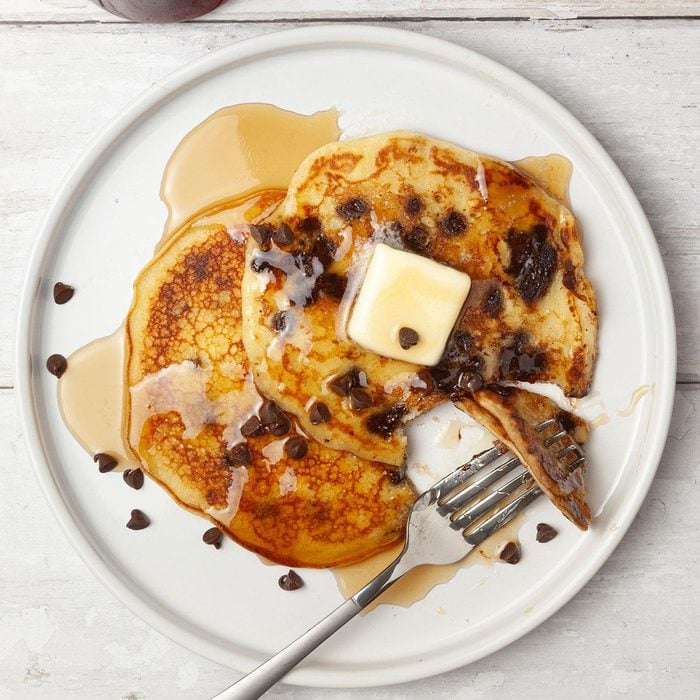
Chocolate Chip Pancakes

These fluffy pancakes are perfect for a weekend breakfast. Studded with mini chips, they offer a delightful combination of sweetness and texture. The recipe serves 16 pancakes and takes 20 minutes to prepare.

Nutrition Facts (2 pancakes): - Calories: 291 - Fat: 13g (4g saturated) - Cholesterol: 49mg - Sodium: 487mg - Carbohydrate: 37g (12g sugars, 2g fiber) - Protein: 7g

Buttermilk Fried Chicken

This golden oldie recipe is a family favorite. The chicken is crispy on the outside and juicy on the inside, making it a perfect addition to any picnic or dinner. The recipe serves 6 servings and takes 1 hour 10 minutes to prepare.

Nutrition Facts (5 ounces cooked chicken): - Calories: 623 - Fat: 40g (7g saturated) - Cholesterol: 106mg - Sodium: 748mg - Carbohydrate: 26g (2g sugars, 1g fiber) - Protein: 38g

Buttermilk Mashed Potatoes

These smooth mashed potatoes are a healthier alternative to traditional versions. They are flavored with buttermilk and garlic, making them both delicious and nutritious. The recipe serves 6 servings and takes 25 minutes to prepare.

Nutrition Facts (2/3 cup): - Calories: 104 - Fat: 0g (0g saturated) - Cholesterol: 2mg - Sodium: 599mg - Carbohydrate: 23g (3g sugars, 2g fiber) - Protein: 3g

Old-Fashioned Buttermilk Doughnuts

These doughnuts offer a nostalgic touch with their nutmeg and cinnamon flavor, along with a subtle burst of lemon. The recipe serves 2-1/2 dozen and takes 25 minutes to prepare.

Nutrition Facts (1 doughnut with 1 doughnut hole): - Calories: 184 - Fat: 7g (2g saturated) - Cholesterol: 18mg - Sodium: 232mg - Carbohydrate: 27g (12g sugars, 1g fiber) - Protein: 3g

Banana Bread

This banana bread is a classic that never goes out of style. It's moist and flavorful, making it a great snack or dessert. The recipe serves 1 loaf (16 pieces) and takes 1 hour 30 minutes to prepare.

Nutrition Facts (1 piece): - Calories: 257 - Fat: 13g (1g saturated) - Cholesterol: 23mg - Sodium: 171mg - Carbohydrate: 34g (21g sugars, 1g fiber) - Protein: 4g

Ranch Dressing

This homemade ranch dressing is easy to make and tastes much better than bottled versions. It’s perfect for salads and can be made in 10 minutes. The recipe serves 1 cup.

Nutrition Facts (2 tablespoons): - Calories: 66 - Fat: 7g (2g saturated) - Cholesterol: 3mg - Sodium: 131mg - Carbohydrate: 1g (1g sugars, 0 fiber) - Protein: 1g

Buttermilk-Mushroom Pork Chops

This recipe is a delicious Sunday dinner idea. The pork chops are rich, tasty, and relatively healthy. The recipe serves 6 servings and takes 3 hours 55 minutes to prepare.

Nutrition Facts (1 chop with 3/4 cup sauce): - Calories: 376 - Fat: 19g (6g saturated) - Cholesterol: 91mg - Sodium: 836mg - Carbohydrate: 11g (2g sugars, 1g fiber) - Protein: 37g

The Best Buttermilk Waffle Recipe

These golden waffles are a hit with family and friends. They are fluffy and perfect for breakfast. The recipe serves 16 waffles (4 inch) and takes 25 minutes to prepare.

Nutrition Facts (2 waffles): - Calories: 223 - Fat: 11g (2g saturated) - Cholesterol: 56mg - Sodium: 435mg - Carbohydrate: 24g (4g sugars, 1g fiber) - Protein: 6g

Buttermilk Pound Cake

This southern recipe is a family favorite. It is moist and tender, making it a perfect dessert. The recipe serves 16 servings and takes 1 hour 20 minutes to prepare.

Nutrition Facts (1 piece): - Calories: 334 - Fat: 13g (8g saturated) - Cholesterol: 78mg - Sodium: 159mg - Carbohydrate: 50g (32g sugars, 1g fiber) - Protein: 5g

Angel Biscuits

These light and wonderful biscuits are a Saturday-morning treat. They are served with butter and honey and pair well with sausage gravy. The recipe serves 2-1/2 dozen and takes 30 minutes to prepare.

Nutrition Facts (1 biscuit): - Calories: 150 - Fat: 7g (2g saturated) - Cholesterol: 1mg - Sodium: 244mg - Carbohydrate: 19g (3g sugars, 1g fiber) - Protein: 3g

Blueberry Pancakes

These pancakes are hearty and delicious, thanks to the combination of oats, cornmeal, and buttermilk. The recipe serves 12 pancakes and takes 25 minutes to prepare.

Nutrition Facts (3 pancakes): - Calories: 332 - Fat: 10g (2g saturated) - Cholesterol: 50mg - Sodium: 746mg - Carbohydrate: 52g (18g sugars, 2g fiber) - Protein: 9g

Red Velvet Cheesecake

This festive cheesecake is a must-have for Christmas. It has a red velvet filling, cream cheese frosting, and a chocolate cookie crumb crust. The recipe serves 16 servings and takes 1 hour 30 minutes to prepare.

Nutrition Facts (1 piece): - Calories: 463 - Fat: 29g (17g saturated) - Cholesterol: 131mg - Sodium: 276mg - Carbohydrate: 46g (39g sugars, 1g fiber) - Protein: 7g

Coconut Chicken Tenders with Creamy Caribbean Salsa

This recipe offers a fun change of pace with its tropical flavor. The salsa adds a fresh and bright taste to the chicken tenders. The recipe serves 8 servings and takes 1 hour to prepare.

Nutrition Facts (1 serving): - Calories: 402 - Fat: 13g (7g saturated) - Cholesterol: 65mg - Sodium: 315mg - Carbohydrate: 41g (15g sugars, 6g fiber) - Protein: 31g

Orange Buttermilk Cupcakes

These cupcakes are a sweet treat with an orange flavor. They are perfect for any occasion. The recipe serves 9 servings and takes 40 minutes to prepare.

Nutrition Facts (1 cupcake): - Calories: 201 - Fat: 5g (3g saturated) - Cholesterol: 35mg - Sodium: 208mg - Carbohydrate: 37g (21g sugars, 0 fiber) - Protein: 3g

Old-Fashioned Whoopie Pies

These soft chocolate sandwich cookies filled with white frosting are a family favorite. They are a treat that never lasts long. The recipe serves 2 dozen and takes 45 minutes to prepare.

Nutrition Facts (1 whoopie pie): - Calories: 244 - Fat: 11g (3g saturated) - Cholesterol: 19mg - Sodium: 116mg - Carbohydrate: 33g (20g sugars, 1g fiber) - Protein: 3g

Buttermilk Cake with Caramel Icing

This cake and caramel icing are tender and melt in your mouth. It has been a family favorite since the 1970s. The recipe serves 16 servings and takes 1 hour 20 minutes to prepare.

Nutrition Facts (1 piece): - Calories: 419 - Fat: 17g (11g saturated) - Cholesterol: 79mg - Sodium: 230mg - Carbohydrate: 63g (44g sugars, 1g fiber) - Protein: 4g

Blueberry Zucchini Squares

These squares combine shredded zucchini and fresh blueberries for a nifty combo. They are a great addition to any meal. The recipe serves 2 dozen and takes 1 hour to prepare.

Nutrition Facts (1 piece): - Calories: 270 - Fat: 8g (5g saturated) - Cholesterol: 36mg - Sodium: 197mg - Carbohydrate: 47g (33g sugars, 1g fiber) - Protein: 3g

Nashville Hot Chicken

This recipe is a tribute to Tennessee's famous Nashville hot chicken. The air-fried version is almost better than the original. The recipe serves 6 servings and takes 40 minutes to prepare.

Nutrition Facts (5 ounces cooked chicken): - Calories: 419 - Fat: 21g (3g saturated) - Cholesterol: 96mg - Sodium: 367mg - Carbohydrate: 21g (5g sugars, 1g fiber) - Protein: 39g

Southern Dressing

This cornbread dressing is a family favorite. It’s a variation of the traditional recipe without the chicken. The recipe serves 12 servings and takes 1 hour 25 minutes to prepare.

Nutrition Facts (2/3 cup): - Calories: 236 - Fat: 12g (2g saturated) - Cholesterol: 83mg - Sodium: 969mg - Carbohydrate: 25g (2g sugars, 2g fiber) - Protein: 7g

Devil's Food Snack Cake

This cake is easy to transport and great for potlucks. It has no frosting, making it ideal for camping trips. The recipe serves 24 servings and takes 1 hour 5 minutes to prepare.

Nutrition Facts (1 piece): - Calories: 174 - Fat: 9g (3g saturated) - Cholesterol: 23mg - Sodium: 91mg - Carbohydrate: 22g (13g sugars, 2g fiber) - Protein: 3g

Utah Buttermilk Scones

These scones are light and airy, with a delightful taste. They are a family favorite that is often enjoyed with honey butter. The recipe serves 2 dozen and takes 35 minutes to prepare.

Nutrition Facts (1 scone): - Calories: 184 - Fat: 10g (3g saturated) - Cholesterol: 18mg - Sodium: 116mg - Carbohydrate: 21g (5g sugars, 1g fiber) - Protein: 3g

German Pancakes

These golden pancakes are a great addition to a skier's theme breakfast. They are served with homemade buttermilk syrup, making them a unique treat. The recipe serves 8 servings (2 cups syrup) and takes 30 minutes to prepare.

Nutrition Facts (1 piece with 1/4 cup syrup): - Calories: 428 - Fat: 19g (11g saturated) - Cholesterol: 203mg - Sodium: 543mg - Carbohydrate: 56g (42g sugars, 0 fiber) - Protein: 8g

Pink Cupcakes

These pink cupcakes are perfect for a birthday celebration. Even those not fond of pink will enjoy them. The recipe serves 2 dozen and takes 55 minutes to prepare.

Nutrition Facts (1 cupcake): - Calories: 266 - Fat: 15g (9g saturated) - Cholesterol: 57mg - Sodium: 154mg - Carbohydrate: 29g (20g sugars, 0 fiber) - Protein: 3g

Homemade Irish Soda Bread

This Irish bread is moist and delicious, with plenty of raisins. It is considered the best soda bread ever tried. The recipe serves 1 loaf (16 pieces) and takes 1 hour 20 minutes to prepare.

Nutrition Facts (1 piece): - Calories: 223 - Fat: 4g (2g saturated) - Cholesterol: 20mg - Sodium: 326mg - Carbohydrate: 43g (15g sugars, 2g fiber) - Protein: 5g

Mom’s Buttermilk Cookies

These comforting cookies are topped with thick frosting and chopped walnuts. They are a cherished recipe from the creator's mother. The recipe serves about 3 dozen and takes 30 minutes to prepare.

Nutrition Facts (1 cookie): - Calories: 135 - Fat: 4g (2g saturated) - Cholesterol: 15mg - Sodium: 88mg - Carbohydrate: 24g (17g sugars, 0 fiber) - Protein: 1g

Buckwheat Pancakes

These pancakes use buckwheat flour instead of wheat-based flour, offering a nutty flavor and hearty texture. The recipe serves 8 pancakes and takes 25 minutes to prepare.

Nutrition Facts (2 pancakes): - Calories: 195 - Fat: 6g (3g saturated) - Cholesterol: 63mg - Sodium: 667mg - Carbohydrate: 31g (11g sugars, 3g fiber) - Protein: 7g

Buttermilk Dressing

This easy buttermilk ranch dressing is perfect for serving salad to a crowd. It makes a full quart of creamy, delicious dressing. The recipe serves 32 servings (1 qt.) and takes 5 minutes to prepare.

Nutrition Facts (2 tablespoons): - Calories: 98 - Fat: 10g (2g saturated) - Cholesterol: 2mg - Sodium: 155mg - Carbohydrate: 1g (1g sugars, 0 fiber) - Protein: 1g

Spicy Fried Okra

This fried vegetable is a southern delicacy that adds excitement to any summer meal. The recipe serves 4 servings and takes 30 minutes to prepare.

Nutrition Facts (3/4 cup): - Calories: 237 - Fat: 16g (1g saturated) - Cholesterol: 1mg - Sodium: 326mg - Carbohydrate: 20g (4g sugars, 3g fiber) - Protein: 5g

Tangy Potato Salad with Radishes

This tangy side dish is great for summer and winter meals. It can be served hot with cubed ham. The recipe serves 13 servings (3/4 cup each) and takes 40 minutes to prepare.

Nutrition Facts (3/4 cup): - Calories: 227 - Fat: 11g (2g saturated) - Cholesterol: 134mg - Sodium: 185mg - Carbohydrate: 25g (3g sugars, 3g fiber) - Protein: 7g

Jalapeno Cornbread

This lightened-up version of traditional cornbread is a family favorite. It is perfect for any meal. The recipe serves 8 servings and takes 35 minutes to prepare.

Nutrition Facts (1 wedge): - Calories: 180 - Fat: 4g (1g saturated) - Cholesterol: 4mg - Sodium: 261mg - Carbohydrate: 32g (6g sugars, 2g fiber) - Protein: 6g

Avocado Dressing

This thick avocado salad dressing is made with buttermilk and plain yogurt. It gets its color from avocado and parsley. The recipe serves 2 cups and takes 5 minutes to prepare.

Nutrition Facts (2 tablespoons): - Calories: 25 - Fat: 1g (0 saturated) - Cholesterol: 1mg - Sodium: 109mg - Carbohydrate: 2g (1g sugars, 1g fiber) - Protein: 1g

Pumpkin Waffles

These waffles are a fall favorite, especially when made with frozen pumpkin puree. They are perfect for a cozy breakfast. The recipe serves 1 dozen and takes 25 minutes to prepare.

Nutrition Facts (2 waffles): - Calories: 194 - Fat: 6g (3g saturated) - Cholesterol: 83mg - Sodium: 325mg - Carbohydrate: 28g (8g sugars, 3g fiber) - Protein: 7g

Uses for Buttermilk FAQ

What can I do with leftover buttermilk?

Leftover buttermilk is great for baking recipes like buttery pound cake, birthday cakes, and tender biscuits. If you only have a small amount left, add it to creamy dips and salad dressings for added tang. Depending on the recipe, it can either thin a mayonnaise-based recipe to a pourable consistency or add body to a light vinaigrette. Buttermilk also makes an excellent marinade for chicken or fish, along with herbs and spices, to tenderize it and infuse it with flavor.

Can I make buttermilk at home?

Yes, you can easily make buttermilk at home by adding 1 tablespoon of lemon juice or white vinegar to 1 cup of milk and letting it sit until slightly thickened, 5 to 10 minutes. The acid curdles the milk slightly, giving it the tang and texture of buttermilk. It’s not cultured, like store-bought versions, but will work well in most baking and cooking recipes. For best results, use whole or 2% milk so your homemade buttermilk isn’t too thin and watery, and measure your vinegar carefully so it’s not overly sharp. This substitute is best used just after it’s made, so it’s not ideal for recipes that rely on long resting times.

What can I substitute buttermilk with if I don’t have enough for my recipe?

If you are trying to use up your carton of buttermilk but don’t have quite enough, try plain yogurt or sour cream thinned with a bit of milk or water to make up the difference. The acidity will react with baking soda or baking powder in baked goods, so you don’t need to worry about your cakes rising differently. If you don’t have those ingredients, try other buttermilk substitutes, made with ingredients you likely have on hand.

37 Easy Low-Calorie Salads for Weekly Meals

37 Easy Low-Calorie Salads for Weekly Meals

Featured Image

A Variety of Salads to Satisfy Every Palate

Salads are a versatile and nutritious way to enjoy a wide range of flavors and textures. From classic green salads to more unique combinations, there’s something for everyone. Below is a collection of various salad recipes that cater to different tastes and dietary needs.

Green Bean Salad

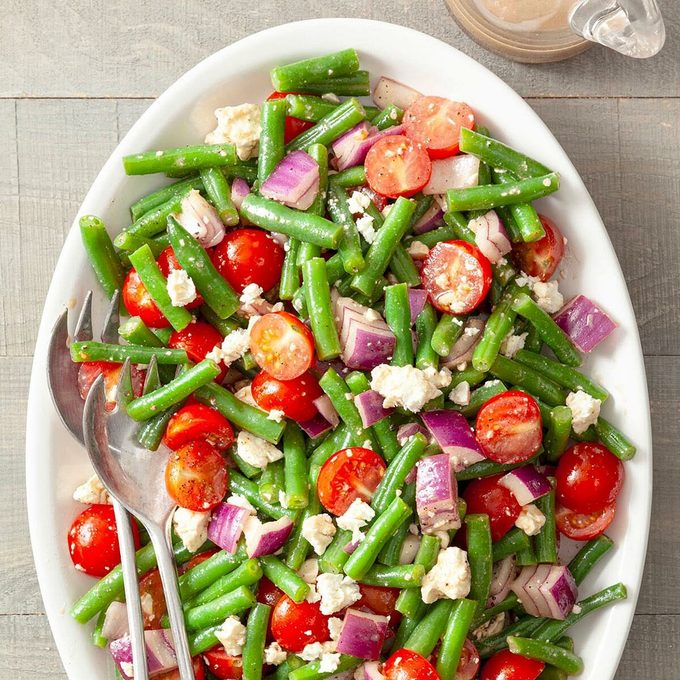
This refreshing green bean salad offers a tangy twist with balsamic flavors that complement any meal or holiday gathering. It's a simple yet satisfying dish that can be enjoyed in 30 minutes, serving 16 people. The nutritional profile includes 77 calories per serving, with a balance of fat, protein, and carbohydrates. This salad is perfect for those looking for a light and healthy option.

Zesty Steak Salad

For a hearty and flavorful option, the zesty steak salad combines stir-fried steak with vegetables, offering a cozy kick. It can be customized with toppings like shredded cheese, croutons, mushrooms, or cucumbers. This recipe takes 20 minutes to prepare and serves 4 people. With 218 calories per serving, it's an excellent choice for a quick lunch or dinner.

Salad with Salmon

This low-calorie salad is ideal for those seeking a healthy and fast meal. It's easy to make after a long day at work, featuring salmon as the star ingredient. The recipe serves 2 people and has 265 calories per serving. The combination of salmon, vegetables, and a light dressing makes this salad both delicious and nutritious.

Almond Strawberry Salad

A vibrant and flavorful salad, the almond strawberry salad features strawberries and sliced almonds, making it a delightful addition to any meal. It's quick to prepare, taking only 10 minutes, and serves 4 people. With 75 calories per serving, this salad is a great option for those looking for a sweet and crunchy bite.

Twisted Eggs Benedict Salad

This unique salad offers a breakfast twist on a traditional favorite. It can be prepped overnight and dressed in the morning, making it a convenient option. The recipe serves 8 people and has 199 calories per serving. The combination of eggs, salad, and a creamy dressing creates a satisfying and indulgent meal.

Cauliflower Potato Salad

This innovative take on a classic potato salad uses cauliflower as a base, along with carrots, olives, and other surprises. It's a healthy alternative that serves 8 people and has 61 calories per serving. This salad is perfect for those looking for a lighter version of a traditional dish.

Chicken Taco Salad

This chicken taco salad is a versatile dish that can be used in various meals, including tacos, sandwiches, omelets, and enchiladas. It serves 6 people and has 143 calories per serving. The recipe is easy to prepare and can be customized with various seasonings and toppings.

Shrimp & Nectarine Salad

A refreshing summer salad, the shrimp and nectarine salad combines shrimp, corn, tomatoes, and nectarines with a tarragon dressing. It serves 4 people and has 252 calories per serving. This salad is perfect for a cool meal on a hot day.

Watermelon and Spinach Salad

This summer salad is a delightful combination of watermelon and spinach, offering a refreshing and healthy option. It serves 8 people and has 84 calories per serving. The combination of sweet watermelon and leafy spinach creates a balanced and tasty dish.

Shrimp Scampi Salad

Combining the flavors of shrimp scampi and fresh spinach, this salad is a favorite among families. It serves 4 people and has 201 calories per serving. The recipe is quick to prepare and offers a delicious and nutritious meal.

Cucumber Tomato Salad

This fast and fresh salad is a winner at every gathering. It serves 6 people and has 90 calories per serving. The combination of cucumbers and tomatoes makes for a simple yet flavorful side dish.

Marinated Tomatoes

These colorful low-calorie tomatoes are perfect for buffets or large gatherings. They can be prepared hours ahead and serve 8 people. With 93 calories per serving, this salad is a great option for any occasion.

Turkey and Pasta Ranch Salad

This easy pasta salad is loaded with fresh veggies and a classic ranch dressing that appeals to kids. It serves 6 people and has 256 calories per serving. The combination of turkey, pasta, and vegetables makes for a satisfying and healthy meal.

Green Salad with Shrimp and Wine Vinaigrette

This tasty green salad with shrimp is light and can be made with whatever vegetables you have on hand. It serves 5 people and has 277 calories per serving. The wine vinaigrette adds a nice touch of flavor to the dish.

Sesame Beef & Asparagus Salad

This meaty salad is wonderful at the start of asparagus season. It serves 6 people and has 160 calories per serving. The combination of beef and asparagus creates a hearty and flavorful dish.

Classic Cobb Salad

This classic salad is a favorite for its variety of ingredients and flavors. It serves 4 people and has 260 calories per serving. The combination of meats, vegetables, and a creamy dressing makes for a satisfying meal.

Heirloom Tomato Salad

This simple yet elegant dish is always a hit with guests. It serves 6 people and has 75 calories per serving. The variety of colors in the tomatoes adds visual appeal to the dish.

Spinach Salad with Warm Bacon Dressing

This comforting spinach salad with bacon dressing is a favorite in winter. It serves 4 people and has 280 calories per serving. The warm bacon dressing adds a rich and savory flavor to the dish.

Dill Garden Salad

This salad features a mix of fresh vegetables and a delicious dill dressing. It serves 6 people and has 75 calories per serving. The combination of vegetables and herbs makes for a refreshing and healthy meal.

Spicy Coleslaw

This coleslaw is a favorite for picnics and barbecues. It serves 8 people and has 34 calories per serving. The spicy dressing adds a kick of flavor to the dish.

Watermelon Tomato Salad

This eye-catching salad combines watermelon and tomatoes for a winning combination. It serves 18 people and has 33 calories per serving. The sweet and tangy flavors create a refreshing and healthy dish.

Italian Potato Salad

This simple-to-assemble potato salad is perfect for picnics and outings. It serves 10 people and has 170 calories per serving. The addition of other fresh vegetables allows for customization.

Radish Asparagus Salad

This fresh spring salad features lemon zest and mustard in the dressing, adding a punch of flavor. It serves 6 people and has 73 calories per serving. The combination of asparagus and radishes makes for a crisp and refreshing dish.

Feta Garbanzo Bean Salad

This quick garbanzo bean salad is a hit with crowds. It serves 4 people and has 268 calories per serving. The addition of grilled chicken or steak can turn it into a hearty main-dish salad.

Garden Tomato Salad

This tomato and cucumber salad is a favorite for its simplicity and freshness. It serves 8 people and has 92 calories per serving. The combination of tomatoes and cucumbers makes for a refreshing and healthy side dish.

Tarragon Asparagus Salad

This asparagus salad is drizzled with a light, lemony vinaigrette and tarragon. It serves 4 people and has 77 calories per serving. The combination of asparagus and tarragon adds a fresh and flavorful touch.

Cucumber and Red Onion Salad

This cucumber and onion salad is a great option for picnics or potlucks. It serves 4 people and has 31 calories per serving. The combination of cucumbers and onions makes for a simple and refreshing dish.

Strawberry-Blue Cheese Steak Salad

This tangy steak salad is a favorite among families. It serves 4 people and has 289 calories per serving. The combination of steak, strawberries, and blue cheese creates a unique and flavorful dish.

Pork Salad

This easygoing meal features healthful veggies, pork tenderloin, fresh herbs, and a warm soy dressing. It serves 2 people and has 229 calories per serving. The combination of ingredients makes for a satisfying and healthy meal.

Spring Pea & Radish Salad

This fresh spring salad is a welcome change from winter dishes. It serves 6 people and has 50 calories per serving. The combination of peas and radishes adds a crisp and refreshing flavor.

Asparagus Spinach Salad with Chicken

This salad is a favorite during the summer months, packed with fresh produce. It serves 6 people and has 267 calories per serving. The combination of asparagus, spinach, and chicken makes for a hearty and healthy dish.

Pork and Balsamic Strawberry Salad

This entree salad is a welcome sign of warmer days. It serves 4 people and has 291 calories per serving. The combination of pork, balsamic, and strawberries creates a unique and flavorful dish.

Nectarine and Beet Salad

This colorful mixed green salad features beets, nectarines, and feta cheese. It serves 8 people and has 84 calories per serving. The combination of ingredients creates a scrumptious and visually appealing dish.

Tuna Nicoise Salad

This classic French salad features veggies, potatoes, tuna, and eggs. It serves 4 people and has 327 calories per serving. The combination of ingredients makes for a hearty and flavorful meal.

Orange Chicken Spinach Salad

This salad features chicken, spinach, mandarin oranges, and red onion, tossed with a tangy vinaigrette. It serves 4 people and has 270 calories per serving. The combination of ingredients creates a refreshing and colorful dish.

Strawberry-Turkey Spinach Salad

This light and refreshing salad features fresh strawberries, yellow peppers, and baby spinach. It serves 4 people and has 260 calories per serving. The combination of ingredients makes for a visually appealing and nutritious dish.

Refreshing Shrimp Salad

This filling yet light salad features avocado, strawberries, and shrimp, with a variety of dressings to choose from. It serves 4 people and has 239 calories per serving. The combination of ingredients creates a refreshing and satisfying meal.

Low Calorie Salads FAQ

How can I make a filling, low-calorie salad?
To make a low-calorie salad more filling, start with a base of fiber-rich greens or chopped vegetables and then add in lean protein like grilled chicken, beans, tofu, or hard-boiled eggs. You can also bulk up the salad by adding hearty grains, roasted seasonal vegetables, a spoonful of hummus, or some healthy fat like avocado or nut butters.

What dressings are best for low-calorie salads?
Dressings made with lemon juice, vinegar, mustard, or Greek yogurt are some of the best low-calorie options. They’re easy to make at home and can be adjusted for dietary needs. For example, a classic vinaigrette with lemon juice, olive oil, and Dijon mustard adds brightness without adding extra calories and works with most salads. If you’re avoiding dairy, blend some tahini with fresh herbs and a little water to make a creamy, dairy-free dressing for richness and balance without needing yogurt or sour cream.

Can low-calorie salads include grains or pasta?
Yes, you can make low-calorie salads using grains and pasta, as long as you keep portions in check and balance them with plenty of vegetables and lean protein. Whole grains like quinoa, bulgur, or farro are fiber-rich and add a nice texture, making salads more satisfying without adding too many calories. For pasta salads, pair the pasta with crunchy veggies, herbs, and a light vinaigrette.

The Brain-Boosting Fruit Every Over-50 Person Should Eat More Of

The Brain-Boosting Fruit Every Over-50 Person Should Eat More Of

Featured Image

The Importance of Brain Health in Aging

As you age, maintaining cognitive function becomes increasingly vital. While many people focus on physical health through exercise and skincare, the brain often takes a backseat. However, experts emphasize that what we eat plays a crucial role in keeping our minds sharp. From fruits to leafy greens, certain foods can support healthy brain aging and even help prevent neurodegenerative diseases like Alzheimer’s.

Cognitive Benefits of Fruits

Fruits are not just a tasty addition to your diet—they also offer significant benefits for brain health. Berries, grapes, and citrus fruits are well-known for their antioxidant properties, which help protect neurons from damage caused by oxidative stress. These antioxidants support cognitive functions such as memory and learning. But there's one fruit that stands out for its powerful brain-boosting effects.

The Pomegranate: A Top Recommendation

Dr. Mill Etienne, a board-certified neurologist and professor at New York Medical College, highlights pomegranates as a top choice for individuals over 50. Pomegranates are rich in polyphenols, which have strong antioxidant, anti-inflammatory, and neuroprotective properties. These compounds may enhance learning and memory while protecting the brain from amyloid buildup, a hallmark of Alzheimer’s disease.

Recent studies suggest that the anti-inflammatory properties of pomegranates could help reduce the risk of Alzheimer’s. Researchers are also exploring whether pomegranates might aid in preventing or slowing other neurological conditions like Parkinson’s disease.

Considerations Before Adding Pomegranates to Your Diet

While pomegranates offer numerous benefits, they come with some considerations. They can be expensive and are only available seasonally, typically between September and December. However, pomegranate extract is an alternative that provides similar brain-boosting benefits year-round. It’s important to choose extracts without added sugars, as these may not be beneficial for the aging brain.

Additionally, pomegranates may interact with certain medications, including blood thinners, statins, ACE inhibitors, and antidepressants. Individuals with active flare-ups of conditions like Crohn’s disease or ulcerative colitis should avoid them due to potential digestive irritation. Always consult with a healthcare provider before making significant dietary changes.

Other Brain-Healthy Fruits to Try

If pomegranates aren’t suitable for your lifestyle or preferences, there are other fruits that can support brain health. Dr. Etienne recommends blueberries, dark grapes, avocados, and citrus fruits. Blueberries are packed with antioxidants that help preserve memory, while dark grapes contain resveratrol, a compound that reduces inflammation and oxidative stress in the brain.

Making Smart Food Choices

Incorporating brain-healthy foods into your diet doesn't have to be complicated. Focus on variety and balance, choosing foods that are both nutritious and enjoyable. Whether it's pomegranates, blueberries, or another fruit, the key is to make consistent, mindful choices that support long-term cognitive health.

By prioritizing brain-friendly foods, you can take proactive steps toward maintaining mental clarity and independence as you age. Remember, small changes in your diet can lead to significant improvements in overall well-being.