Monday, August 18, 2025

11 Signs Your Sunburn Is Sun Poisoning, Experts Warn

11 Signs Your Sunburn Is Sun Poisoning, Experts Warn

Featured Image

Understanding Sun Poisoning: What You Need to Know

Sun poisoning is an extreme version of a sunburn, according to Farah Moustafa, MD, FAAD, a dermatologist and Director of Laser and Cosmetics at Tufts Medical Center. She explains that it starts with red, painful skin—like a regular sunburn—but can quickly escalate into more severe symptoms that require medical attention. While one in three Americans report getting a sunburn each year, about 33,000 individuals end up needing medical treatment for severe sun poisoning symptoms. Below, experts break down what sun poisoning is, how to identify it, and when to seek help.

What Is Sun Poisoning?

Hannah Kopelman, MD, a dermatologist at Kopelman Aesthetic Surgery and co-founder of DermOnDemand, describes sun poisoning as an extreme sunburn with systemic symptoms beyond just red, painful skin. Although not technically a form of poisoning, it’s a term used to describe a severe reaction to UV radiation. A bad sunburn causes redness, tenderness, and possibly blistering, but sun poisoning takes it further. Symptoms may mimic an allergic reaction or make you feel like you’ve come down with the flu.

Certain people are at higher risk, including those with fair skin, a family history of skin cancer, those living near the equator, individuals taking certain medications (such as antibiotics or retinoids), and those with chronic conditions like autoimmune diseases. The Cleveland Clinic notes that the exact cause of sun poisoning isn’t fully understood, and its effects can vary from person to person.

Symptoms of Sun Poisoning

Sun poisoning can feel like a severe cold or flu with full-body symptoms. While a red, painful sunburn might be immediate, symptoms of sun poisoning can take hours or even days to appear. Common signs include:

  • Nausea
  • Light-headedness
  • Fever
  • Chills
  • Vomiting
  • Dehydration
  • Headache

In addition to these, there may be severe redness, pain, tenderness, and possible blistering of the skin itself.

How to Tell If You Have Sun Poisoning

A sunburn is a radiation burn caused by UV rays. When exposed to too much UV radiation, skin cells die off, leading to redness, swelling, and other typical sunburn symptoms. However, sun poisoning triggers a broader inflammatory response throughout the body. The immune system reacts to the intense UV damage, releasing chemicals similar to those released during an infection.

Here are some key indicators that you may have sun poisoning:

  1. Feeling Like You Have the Flu
    Flu-like symptoms such as fever, chills, fatigue, nausea, vomiting, and body aches can occur after a long day in the sun. These symptoms are due to the release of chemicals from damaged skin that activate the immune system.

  2. Your Skin Prickles
    Severe sun poisoning can cause a prickly sensation on the skin. If touching your skin feels unbearable, it could indicate a very severe sunburn. Soothing treatments like aloe vera, cool showers, and ibuprofen can help.

  3. Extreme Thirst
    Sun poisoning can lead to dehydration. Symptoms include dark-colored urine, not urinating, dry mouth, and feeling faint. In severe cases, IV hydration may be necessary to prevent organ damage.

  4. Dizziness or Headaches
    Fluid loss from sun poisoning can cause dizziness, headaches, and confusion. This happens because blood pressure drops, reducing oxygen flow to the brain. Electrolyte imbalances can also contribute to these symptoms.

  5. Fever
    A fever is often part of the body's immune response to sun poisoning. A temperature of 102 to 103°F may require immediate attention, especially if accompanied by chills or illness.

  6. Blisters on the Skin
    Blistering is a sign of severe sun poisoning. Avoid popping blisters, as this increases the risk of infection. Apply aloe vera and avoid further sun exposure until healing occurs.

  7. Falling Asleep in the Sun
    People who fall asleep in the sun often experience severe burns. Even if no symptoms are present yet, increased fluid intake and aloe application are recommended.

  8. Peeling Skin
    Peeling is a natural part of healing after a severe sunburn. Do not pick at peeling skin, as it protects new skin underneath. Moisturize with aloe vera and avoid hot showers.

  9. Rash on the Body
    A sun poisoning rash appears as an inflamed, itchy eruption with small bumps or blisters. Cool compresses, aloe vera, and hydrocortisone cream can help manage symptoms.

  10. Swelling
    Swelling occurs due to inflammation and fluid retention. Elevate affected areas, drink fluids, and apply cool compresses. Severe swelling around the eyes or throat requires immediate medical attention.

  11. Eye Pain
    Prolonged sun exposure can cause photokeratitis, a sunburn on the cornea. Symptoms include pain, redness, and sensitivity to light. Artificial tears and rest can help, while severe cases require an eye doctor.

Heat Rash vs. Sun Poisoning

Heat rash is different from sun poisoning. It appears as tiny red bumps in skin folds and is caused by trapped sweat. Sun poisoning involves widespread inflammation and systemic symptoms.

Sunstroke vs. Sun Poisoning

Sunstroke, or heat stroke, is a medical emergency caused by the body overheating. Unlike sun poisoning, it doesn’t always result from sun exposure and affects skin color differently. It is associated with neurological symptoms like confusion and fainting.

Managing Sun Poisoning

There is no instant fix for sun poisoning, but symptoms can be managed with proper care. Hydration, cool compresses, aloe vera, and over-the-counter pain relievers can help. Avoid further sun exposure and rest as much as possible.

When to See a Doctor

If symptoms worsen, such as increasing pain, spreading redness, or a persistent fever, seek medical attention. Severe dehydration, dizziness, or altered mental status also require immediate care. Doctors will focus on correcting dehydration and electrolyte imbalance, which can be life-threatening if left untreated.

Preventing Sun Poisoning

To avoid sun poisoning, limit sun exposure between 10 a.m. and 4 p.m., use SPF 30 or higher sunscreen, and stay hydrated. Checking the UV index before going outside can also help minimize risk.
Spotting Bug Bites: Know What Bit You

Spotting Bug Bites: Know What Bit You

Featured Image

Identifying and Treating Common Bug Bites

Bug bites can be a nuisance, but they can also pose serious health risks if not treated properly. Understanding the different types of bug bites and how to identify them is crucial for effective treatment. Below are detailed insights on various common bug bites, their symptoms, and recommended treatments.

Bees

Bees are often seen as aggressive, but they typically only sting when provoked. If you are stung by a bee, you will likely notice a hive-like pink bump that itches. The stinger may still be visible, so it's important to remove it carefully. Using a credit card to gently scrape it out is recommended, as pinching or using tweezers could push more venom into the skin.

Treatment: Cool soaks, calamine lotion, oral antihistamines like Benadryl, and meat tenderizer (which contains an enzyme called papain) can help reduce pain and inflammation. If you experience difficulty breathing, swelling, or other severe symptoms, seek immediate medical attention.

Ticks

Ticks are known for transmitting diseases such as Lyme disease, ehrlichiosis, and Rocky Mountain spotted fever. They are often difficult to detect because they don’t always cause immediate symptoms. A rash, which can appear as a bulls-eye pattern, may develop within days of a tick bite. However, the rash might not always look like a classic bulls-eye, making identification challenging.

Treatment: Prompt treatment with a 20-day course of oral antibiotics is essential. Not all tick bites require treatment, but it's important to consult a healthcare provider to assess the risk of infection.

Mosquitoes

Mosquitoes are prevalent during warmer months and can transmit serious diseases like West Nile virus, Chikungunya, and Zika. Their bites typically appear as small, puffy white bumps with a red dot in the center.

Treatment: Avoid scratching the bite to prevent infection. Applying a cold pack, aloe, or cortisone cream can help reduce itching and discomfort.

Fleas

Fleas can cause painful and irritating bites, especially around the ankles and calves. They can also transmit tapeworms. Preventing fleas on pets is key to avoiding infestations.

Treatment: Use topical cortisone creams and cool compresses to relieve itching. Consult a veterinarian for flea control and consider professional pest control if an infestation is suspected.

Brown Recluse Spider

Brown recluse spiders are shy but can be dangerous if bitten. Their bites can lead to severe reactions, including necrosis of the tissue.

Treatment: Seek medical attention immediately if a brown recluse spider bite is suspected, as it may require surgical removal of affected tissue.

Bed Bugs

Bed bug bites typically appear as linear clusters on exposed skin, often referred to as “breakfast, lunch, and dinner” lesions. They usually resolve on their own after a few days.

Treatment: Over-the-counter hydrocortisone ointment can help reduce inflammation and itching. Avoid scratching to prevent further irritation.

Chiggers

Chiggers are arachnids that bite humans, causing itchy red bumps. They are commonly found in grassy areas and are most active in warm weather.

Treatment: Cool showers, washing the area with soap and water, and applying cortisone cream or products like After Bite can provide relief. For sensitive skin, After Bite Kids is a gentle alternative.

Black Widow Spider

Black widow spiders are found in warm, dry areas and have a distinctive red hourglass shape on their abdomen. Their bites are extremely painful and can cause muscle stiffness, nausea, and even paralysis.

Treatment: Immediate medical attention is necessary, especially for children. Wash the area with cold water and apply ice until help arrives.

Fire Ants

Fire ants are aggressive and deliver painful stings that result in swollen, red spots resembling pus-filled pimples. They are commonly found in the southeastern and southwestern United States.

Treatment: Treat fire ant bites similarly to chigger bites—using cool showers, soap and water, and topical treatments like After Bite.

Natural Itch Relief

Severe itching from bug bites can be frustrating. Essential oils such as citrus, peppermint, and eucalyptus can offer soothing relief. Other natural remedies include a baking soda paste or a warm bath with magnesium powder. These methods can help calm the skin and reduce discomfort without harsh chemicals.

Why Is Women's Mental Health Research So Far Behind?

Why Is Women's Mental Health Research So Far Behind?

Featured Image

The Rising Mental Health Crisis and the Gender Gap

A global mental health crisis is intensifying, with women experiencing a disproportionate share of the burden. While men tend to have higher rates of antisocial personality and substance use disorders, women are 20% to 40% more likely to suffer from mental health disorders overall. They are twice as likely to be diagnosed with anxiety, depression, post-traumatic stress disorder, and eating disorders. This gap is further complicated by the fact that conditions once considered more common in men are now becoming more prevalent among women.

For instance, alcohol use disorder has seen a significant increase in both sexes. From 2001/2002 to 2012/2013, annual diagnosis rates in men increased by 35%, while in women, the rate rose by an astonishing 84%. These trends highlight the growing need for gender-specific research and treatment approaches.

The Lack of Research on Women's Mental Health

The soaring rates of mental health disorders in women are particularly concerning, especially given the limited understanding of the biological factors that contribute to these conditions. Historically, medical research has underrepresented females, leading to a significant knowledge gap. This bias stems from outdated assumptions that male bodies are the standard, along with concerns about hormonal fluctuations affecting research outcomes.

As a result, most studies have focused on males, with findings generalized to females. This approach persists in many human and animal studies, despite recent efforts to change it. For example, only 20% of animal studies between 2015 and 2019 included both sexes, and only 29% of clinical trials for alcohol use disorder between 2010 and 2019 involved women.

This disparity means that most drug treatments for mental health disorders are developed and tested primarily on males, often overlooking important biological differences in women. Consequently, treatment outcomes for women may be less effective and carry greater risks of side effects.

The Need for Personalized Treatment Options

There is an urgent need for more personalized treatment options that account for biological sex differences. This includes developing therapies that consider how mental health disorders affect men and women differently. Addressing this gap could lead to better treatment outcomes and improved safety for all patients.

One promising approach is the use of translatable animal models, which allow researchers to study the brain in detail. These models help investigate specific aspects of mental health disorders and screen potential drugs before human trials. For example, a recent study published in Nature Communications used a mouse model of binge drinking to explore how the brain drives alcohol consumption differently in males and females.

The Role of Ghrelin in Alcohol Consumption

The study focused on the hormone ghrelin, commonly known as the "hunger hormone." Produced in the stomach, ghrelin signals the brain when to eat. However, its role extends beyond appetite. Preclinical and clinical studies have linked ghrelin to alcohol craving and consumption.

In this study, researchers examined ghrelin’s effect on the Edinger-Westphal nucleus, a small brain region with high levels of ghrelin receptors. They found that reducing ghrelin receptor expression in this area decreased binge drinking in female mice but had no impact on males. Notably, female sex hormones did not influence this outcome.

Through follow-up studies, the team identified the specific ghrelin receptor cells responsible for regulating binge drinking in females. This finding highlights the complex ways in which the brain can drive alcohol consumption differently between the sexes.

A Call for Inclusive Research

It is essential that future research improves our understanding of how mental health conditions affect both men and women. Many medical research organizations are beginning to address this issue. For example, the U.S. National Institutes of Health now requires consideration of biological sex in funded research. Similarly, the National Health and Medical Research Council in Australia released a statement in July 2024 urging researchers to consider sex and gender in their work.

Addressing the gender knowledge and health gap is a shared goal that can lead to more personalized and effective treatments. By including both sexes in research, we can uncover critical insights that benefit everyone, especially women.

7 Hidden Protein Deficiency Signs Dietitians Know About

7 Hidden Protein Deficiency Signs Dietitians Know About

Featured Image

Understanding the Subtle Signs That You Need More Protein

Protein is a vital nutrient that plays a crucial role in maintaining overall health and well-being. While most people meet the minimum protein requirements, there are instances where the body may not be getting enough high-quality protein to support its needs. This can lead to various subtle signs that indicate an imbalance in your diet.

The Importance of Protein in Daily Life

Protein is essential for building and repairing tissues, producing enzymes and hormones, and supporting immune function. It also helps keep you feeling full longer, which can aid in weight management. However, when the body lacks sufficient protein, it can send out signals that may not always be obvious.

7 Under-the-Radar Signals That You Need More Protein

  1. You’re Always Hungry
    Feeling unsatisfied after meals or experiencing frequent hunger can be a sign that you're not getting enough protein. Protein helps regulate appetite by boosting hormones that make you feel full. Without enough protein, you may find yourself reaching for snacks more often.

  2. You’re Always Getting Sick
    A weakened immune system can result from inadequate protein intake. When you consume enough protein, your body breaks it down into amino acids, which are used to create immune cells and antibodies. If there’s a shortage of these building blocks, your immune system may not function as effectively, making you more susceptible to illnesses.

  3. Your Muscles Ache
    Persistent muscle soreness or weakness, especially if you’re not heavily training, could be a sign of low protein. Protein is necessary for muscle repair and recovery. If your body doesn’t get enough from food, it may start breaking down muscle tissue to meet its needs, leading to discomfort.

  4. You’re Not Hitting Your Fitness Goals
    If you're working out regularly but not seeing improvements in strength or body composition, it might be due to insufficient protein. Active individuals require more calories and protein, and without meeting these needs, your body may use the protein for energy instead of muscle growth.

  5. You Heal Slowly
    Recovery from injuries or surgeries can be delayed if your protein intake is inadequate. Protein provides the raw materials needed for tissue repair and remodeling. Without enough, healing processes may take longer than expected.

  6. Your Hair, Skin and Nails Don’t Look Healthy
    Poor nutrition, including a lack of protein, can affect the health of your hair, skin, and nails. Protein is essential for strong hair strands, healthy skin, and resilient nails. If you notice thinning hair, brittle nails, or dull skin, it may be a sign that your diet is lacking in this important nutrient.

  7. You’re Feeling Down in the Dumps
    Mood changes, such as increased irritability or depression, can sometimes be linked to protein deficiency. Increasing protein intake by even 10% may help improve mood by supporting the production of serotonin, a hormone that boosts feelings of well-being. Protein also helps stabilize blood sugar levels, preventing mood dips.

What You Can Do

If you’re experiencing any of these signs, it’s a good idea to consult with a healthcare provider or a registered dietitian. They can assess your diet and determine if insufficient protein is contributing to your symptoms. Developing a healthy eating plan that includes adequate protein can help you feel your best and support your overall health.

Remember, while many people meet the minimum protein requirements, individual needs can vary based on activity level, health status, and dietary restrictions. Ensuring you get enough high-quality protein is essential for maintaining optimal health and preventing the subtle signs of deficiency.

Sunday, August 17, 2025

Ohio Parents Fear Dying Before Their Child

Ohio Parents Fear Dying Before Their Child

Featured Image

A Life of Love, Care, and Uncertainty

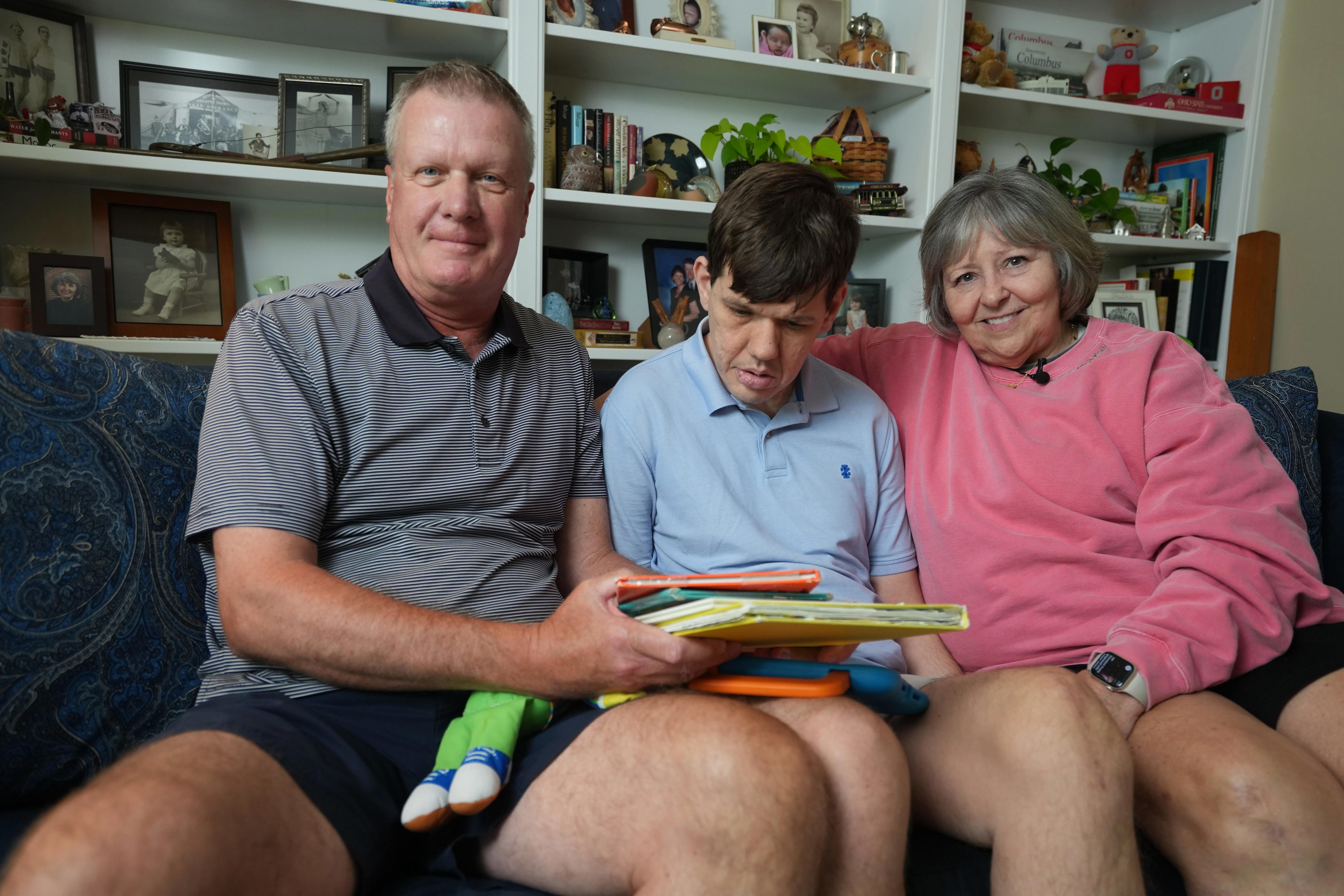
Karen and Jeff Groff have spent nearly four decades reading the same children’s books to their son, Danny. At 39 years old, Danny stands 6 feet, 1 inch tall, but his developmental abilities are equivalent to those of a 2-year-old. He lives in Upper Arlington, Ohio, where he enjoys sitting between his parents on the couch, holding a stuffed Bert Muppet toy. When his mother reads “Curious George Rides a Bike,” he leans in and smiles when she whispers, “George got curious.”

Danny was diagnosed with Lennox-Gastaut syndrome, a rare and severe form of epilepsy that typically begins in early childhood. The condition causes frequent seizures, which can lead to brain damage, learning difficulties, and lifelong disabilities. According to the LGS Foundation, about 50,000 people in the U.S. and 1 million worldwide live with this condition. Danny experiences daily seizures, and Karen Groff said that managing his health is a constant challenge.

In addition to his epilepsy, Danny also has Type 1 diabetes, which limits his ability to participate in full-time adult day programs. His caregivers cannot manage his insulin needs, so he spends mornings at the program and the rest of his time at home with his parents.

Daily Routines and Emotional Struggles

Danny’s routine includes morning coffee, daily injections, medications, storytime, afternoon outings, and evenings watching “Wheel of Fortune.” He adores his 10-month-old niece, Cecelia, and his Buckeye-themed bedroom, filled with Ohio State University memorabilia. Despite his love for these simple pleasures, the Groffs know that their son’s future is uncertain.

As retired educators, Karen and Jeff face a daunting reality: they must plan for two possible outcomes—either they pass away before Danny or he passes away before them. “Our worst nightmare is that we lose him first,” Karen said. “And our worst nightmare is that we go first.”

When parents or caregivers are no longer able to provide care, the responsibility often falls to another family member or friend. Even if someone moves into a facility, someone still needs to oversee their care and finances. In the U.S., caregiving is becoming increasingly common, with a new study from AARP showing that nearly one in four adults is a caregiver.

The Groffs are currently planning three funerals: their own and Danny’s. “It’s a little overwhelming,” Karen admitted. “I can’t die.”

Navigating the Challenges of Rare Diseases

Parents of adult children with rare diseases often struggle with the ongoing care their children need. Limited research into these conditions leaves many families unsure how to plan for the future. According to the National Organization for Rare Disorders, its help line received nearly 135,000 requests for assistance in 2024, with at least 125 calls annually from parents seeking guidance on long-term care.

Some families opt for residential facilities, while others rely on a mix of family, friends, and paid caregivers for 24/7 in-home care. Both options can be costly. A 2020 report estimated that a household with an adult with a disability requires an additional $17,690 per year.

The Groffs are still figuring out their next steps. A 2018 University of Illinois study found that fewer than half of parents of children with disabilities made long-term plans for their child’s care. Many cited financial constraints, lack of resources, or emotional stress as barriers to planning.

“It’s normal to have these concerns,” said Jill Polander, vice president of patient services at the National Organization for Rare Disorders. “It’s OK to ask for help.”

The Role of Family and Community

For the Groffs, the most difficult part is the burden they feel they will place on their daughter, Jessica Hartman. As a special education preschool teacher, Hartman understands what her brother needs. She and her husband have been ready to take care of Danny since they married.

“We hate to put that burden on them,” Karen said. But Hartman doesn’t see her brother as a burden. “Everything Danny taught me I now use in my career,” she said.

However, the Groffs would prefer to avoid placing the daily responsibilities of caring for Danny on Hartman. They hope to secure a nursing staff to care for him in their home if they pass away before him. Hartman and other family members would still need to manage the caregivers and his finances.

Danny receives about $600 per month through Supplemental Security Income, but it’s not enough for him to live on. To maintain government benefits, people with disabilities must keep their assets under $2,000. For now, Hartman is set up to inherit everything her parents own, with the understanding that the money is for her brother’s care.

“We’re trying to be extremely frugal in retirement so that is untouched,” Karen said.

Building a Roadmap for Families

Caregivers often face an emotional toll, and many hesitate to discuss their challenges with family or friends. Rosellen Reif, a mental health counselor in North Carolina, works with families of people with disabilities and emphasizes the importance of open conversations.

“Parents have so much shame and fear around this topic. It's such a taboo, even in the disability world,” Reif said. She encourages families to make transitions early and involve loved ones in the process.

Reif also helps patients write letters to friends and family, ensuring that everyone is aligned on long-term care decisions. “We don’t want them to lose their parents and in the same week have to move into somewhere new,” she said.

For Karen Groff, community has been essential. After her son’s diagnosis, she found a Facebook group that offered support. “You can go on there any time of the day or night, ask a question, and someone will be up at night and get back to you,” she said. “And you need that sense that you are not alone.”

The Groffs are still looking for a new in-home nurse, but the nursing shortage has made it difficult. They expect the search to take at least six months.

A Focus on Quality of Life

Despite the challenges, the Groffs remain focused on making sure Danny is safe and happy. He is happiest when he’s surrounded by the people he loves, playing “Uncle Danny” to Hartman’s baby and laughing with his aunts and uncles at family gatherings.

“It’s all about quality of life at this point,” Karen said.

This story is part of USA TODAY’s The Cost of Care series, highlighting caregivers across the country.