Thursday, August 21, 2025

Vista Careers: Lincoln Center for Family and Youth

Vista Careers: Lincoln Center for Family and Youth

Featured Image

About The Lincoln Center for Family and Youth

The Lincoln Center for Family and Youth, established in 1970, is a nonprofit organization that has grown into a dynamic social enterprise dedicated to improving the lives of individuals and communities. Based in Audubon, the center operates across multiple states, offering a wide range of services including K-12 alternative education, mental and behavioral health support, coaching, counseling, and trauma-informed training.

Collaboration is at the heart of the center's mission. It partners with school districts, universities, hospitals, law enforcement agencies, and other nonprofit organizations to provide comprehensive support and secure funding through federal and state grants. This commitment to partnership ensures that the center can offer impactful programs and services tailored to the needs of those it serves.

Community Counselor Position

The Community Counselor plays a vital role in delivering in-home individual, family, and group counseling services in the Norristown area, with a strong emphasis on trauma-informed care. The position involves working with clients facing various challenges, including parenting issues, therapy for children and teens, life skills development, supervised visitation, and intervention for drug and alcohol-related problems. Counselors also support individuals who have experienced physical, sexual, or emotional abuse.

Key responsibilities include providing counseling services in diverse settings such as offices, homes, and schools, adhering to specific policies and procedures, and advocating for clients with healthcare professionals, legal personnel, and service agencies. Counselors are also tasked with maintaining case records, assisting in program planning, and facilitating cooperation with community agencies and schools.

To be successful in this role, candidates must possess knowledge of multiple therapeutic modalities, including cognitive behavioral therapy, motivational interviewing, and trauma expertise. A minimum of an Associate’s Degree is preferred, along with at least two years of related experience, particularly in working with children, families, and individuals at risk for substance abuse.

Special Education Teacher Position

The Special Education Teacher position, located in Chester, offers a $5,000 sign-on bonus. This role involves working with students in grades 7-12 who have socioemotional and mental health needs, as well as learning disabilities. The teacher develops and delivers specialized instruction, evaluates student progress, and serves as the IEP Manager for assigned students.

Responsibilities include assessing student needs, developing teaching plans, and implementing instructional strategies that meet each student's unique requirements. Teachers must collaborate with other educators, counselors, and social workers to create a supportive learning environment. They are also responsible for managing IEPs, updating them throughout the school year, and communicating with parents, teachers, and administrators about student progress.

Ideal candidates should have excellent communication and relationship-building skills, the ability to work effectively in a team, and experience with IEP software. A Bachelor’s Degree and Pennsylvania Special Education Certification (for grades 7-12 or N-12) are required.

Math Teacher Position

The Math Teacher works with at-risk youth in grades 7-12 within an alternative school setting. This role requires flexibility to address the individualized instructional needs of students in a small classroom environment. The teacher must collaborate with other educators, special education staff, counselors, and social workers to support student growth.

Duties include developing a classroom culture that encourages active learning, using project-based learning techniques, leveraging technology to differentiate instruction, and creating a multi-sensory learning environment. Teachers are also responsible for monitoring student progress, maintaining accurate records, and building positive relationships with students and their families.

Candidates should have a Bachelor’s Degree and Pennsylvania Teaching Certification in the subject they teach. Strong communication skills, the ability to work in a team, and proficiency in Microsoft programs are essential for success in this role.

Explore Other Opportunities

The Lincoln Center for Family and Youth offers a variety of job openings across different roles and locations. These positions provide opportunities for professionals passionate about making a difference in the lives of individuals and communities. Whether you are interested in counseling, special education, or teaching, there is a place for you at the center. Explore all available positions and consider contributing your skills and expertise to this impactful organization.


Philadelphia Careers at Lincoln Center for Family and Youth

Philadelphia Careers at Lincoln Center for Family and Youth

Featured Image

Overview of The Lincoln Center for Family and Youth

Founded in 1970 by a behavioral health hospital, The Lincoln Center for Family and Youth (TLC) became a nonprofit organization in 1983. As an entrepreneurial social enterprise, TLC is dedicated to transforming lives and communities through various programs and services. Based in Audubon, the organization operates across multiple states, offering a wide range of educational and mental health support.

TLC provides K-12 alternative education, comprehensive mental and behavioral health services, coaching, counseling, and trauma-informed training. It collaborates with school districts, universities, hospitals, police departments, and other nonprofit organizations. These partnerships help secure federal and state grant funding, allowing TLC to expand its reach and impact.

Available Positions at The Lincoln Center for Family and Youth

Community Counselor

The Community Counselor plays a vital role in providing in-home individual, family, and group counseling services in the Norristown area. The focus is on trauma-informed care, addressing issues such as parenting challenges, therapy for young children and teens, life skills development, supervised visitation, and intervention for drug and alcohol-related problems.

Counselors are expected to work with a variety of assignments and integrate their efforts with other TLC programs and community services. They must be able to meet specific requirements for counseling positions, follow established policies and procedures, and advocate for individuals and families with healthcare professionals, legal personnel, and service agencies.

Key responsibilities include maintaining case records, assisting in program planning, facilitating inter-organizational cooperation, attending training sessions, and overseeing data gathering and reporting. Essential skills include knowledge of therapeutic modalities like CBT, motivational interviewing, trauma expertise, and substance abuse intervention. A minimum of an Associate’s Degree and two years of related experience are preferred.

Special Education Teacher

The Special Education Teacher position, based in Chester, offers a $5,000 sign-on bonus. This role involves working with students who have socioemotional and mental health needs or learning disabilities. The teacher develops and delivers specialized instruction, evaluates student progress, and manages IEPs (Individualized Educational Programs).

Responsibilities include working with students in grades 7-12, assessing student needs, planning teaching activities, and collaborating with educators, counselors, and social workers. The teacher must maintain a classroom environment conducive to academic and socioemotional growth while adhering to PA-mandated due process procedures.

Skills required include excellent communication, teamwork, knowledge of IEP software, and strong substance abuse intervention skills. A Bachelor’s Degree and Pennsylvania Special Education Certification (7-12 or N-12) are necessary.

Math Teacher

The Math Teacher provides academic instruction and socioemotional support to at-risk youth in grades 7-12 within an alternative school setting. The role emphasizes flexibility in meeting the individualized instructional needs of students in a small classroom environment.

Responsibilities include developing a classroom culture where the teacher acts as a facilitator, implementing lesson plans that encourage active learning, using technology to differentiate instruction, and promoting student wellness. The teacher must also maintain accurate records, build positive classroom communities, and participate in meetings with parents, counselors, and other staff.

Essential skills include excellent communication, teamwork, subject matter proficiency, and knowledge of Microsoft programs. A Bachelor’s Degree and Pennsylvania Teaching Certification in the subject taught are required.

Other Opportunities at The Lincoln Center for Family and Youth

In addition to the roles mentioned above, The Lincoln Center for Family and Youth offers a variety of other job openings. These positions provide opportunities to contribute to the organization's mission of supporting individuals and communities through education, mental health services, and community engagement. Prospective candidates can explore all available positions to find the best fit for their skills and career goals.

Beauty Beyond Makeup: Self-Care and Medical Aesthetics Empower Confidence

Beauty Beyond Makeup: Self-Care and Medical Aesthetics Empower Confidence

Featured Image

The Evolution of Beauty: From Makeup to Confidence

For decades, makeup has been the go-to tool for enhancing one's appearance. From the bold red lips of the 1950s to the dramatic contouring of the 2010s, cosmetics have long been seen as the quick fix for those looking to boost their confidence. However, in 2025, the beauty landscape is undergoing a significant transformation. The focus has shifted from heavy layers of makeup to practices like hair restoration that emphasize authenticity, wellness, and subtle self-enhancement.

Confidence today is no longer just about what you put on your face. It’s about how you take care of yourself—both physically and mentally. For many, small, natural-looking medical treatments are becoming an integral part of this journey. This shift reflects a broader cultural movement where authenticity, individuality, and well-being are celebrated over surface-level perfection.

The Shift from Cosmetics to Confidence

The beauty industry is experiencing a major reset. Instead of chasing perfection through thick foundation or dramatic contouring, people are embracing the “less is more” philosophy. This change is not just a trend but a reflection of a deeper cultural shift. Today’s beauty standards prioritize genuine self-expression and holistic well-being over unrealistic ideals.

The rise of the clean-girl aesthetic and the popularity of the “no-makeup makeup” trend are clear indicators of this evolution. Glowing skin, brushed brows, and natural tones have replaced full-glam looks as the new standard of aspiration. Even luxury brands are adapting by highlighting skin-first beauty in their campaigns, often featuring models with minimal makeup and visible freckles. This shows that imperfection is now considered part of the ideal.

The Role of Social Media in Shifting Beauty Standards

Social media has played a pivotal role in this transformation. Platforms like TikTok and Instagram have amplified trends such as “skin cycling” and “glass skin,” where the focus is less about hiding flaws and more about achieving a healthy, natural radiance. Gen Z, in particular, has pushed the industry to prioritize transparency and relatability over airbrushed perfection.

Beauty is now being measured not by how much you cover up, but by how confidently you carry your natural self. While makeup still has its place, it’s no longer seen as a necessity to fit in. Instead, it’s viewed as a creative tool to highlight features rather than a mask to conceal them.

Hair Restoration: Confidence from the Roots

Hair restoration has become a key player in the self-confidence conversation. Thicker, fuller hair has long been associated with vitality and youth, and for many, it plays a central role in how they feel about their appearance. As a result, the demand for hair restoration has grown—not purely as a cosmetic fix, but as a confidence-restoring solution.

Treatments like FUE hair transplants offer a minimally invasive, natural-looking solution. Unlike outdated procedures, modern techniques focus on artistry, restoring hairlines that suit a person’s face shape and ensuring results that blend seamlessly. Clinics specializing in hair restoration are at the forefront of this shift, helping patients regain not only their hair but also their confidence.

The Rise of Self-Care Culture

Beyond aesthetics, self-care has evolved into a full-fledged lifestyle movement. Skincare has taken center stage, with elaborate multi-step regimens featuring serums, SPF, retinols, and barrier-repair creams gaining cult followings. Consumers are treating skincare as an investment in long-term confidence rather than just an indulgence.

Self-care extends beyond skincare. Fitness, nutrition, sleep, and mental wellness are now seen as essential components of beauty. People are recognizing that how you feel on the inside directly impacts how you look on the outside. Whether it’s yoga, meditation, mindful eating, or digital detoxing, the focus is on holistic well-being that naturally radiates outward.

Medical Aesthetics Go Mainstream

The stigma around medical aesthetics has largely disappeared. Treatments like Botox, fillers, chemical peels, and skin resurfacing are now part of everyday conversation, widely accessible, and increasingly celebrated as part of a holistic self-care routine. What’s driving this shift is not just accessibility but a change in motivation. People are seeking subtle enhancements that refresh and restore, helping them look natural and more in tune with their authentic selves.

Social media has been a huge catalyst for this normalisation. Influencers and celebrities openly discuss their “tweakments,” making these procedures seem minor and approachable. The industry itself has evolved to match this mindset, emphasizing customized, minimally invasive treatments tailored to individual features.

Beyond Vanity: The Psychology of Feeling Good

Critics often dismiss aesthetics as vanity, but research suggests otherwise. Studies show that when people feel good about their appearance, they experience higher self-esteem, greater confidence in professional and social settings, and even improved mental health.

Younger generations see preventative treatments as part of maintaining overall wellness, no different from a gym membership or regular skincare regimen. Small changes can make a profound impact, helping individuals feel more aligned with their best selves.

Conclusion: Confidence, Redefined

In today’s beauty landscape, confidence comes from a blend of self-care, authenticity, and subtle enhancements. Makeup still has its place, but it’s no longer the only, or even the main, way people define beauty. Instead, the movement is about balance—skincare, mindfulness, fitness, and medical aesthetics all play a role in helping individuals feel radiant inside and out.

The new definition of beauty is not about covering up—it’s about revealing the best version of yourself and embracing the confidence that comes with it.

Review: Dunkin's Cereal N' Milk Latte Tastes Like Unlucky Charms

Review: Dunkin's Cereal N' Milk Latte Tastes Like Unlucky Charms

Featured Image

The New Fall 2025 Drink from Dunkin' is a Cereal Milk Latte

As the days grow shorter and the air turns cooler, coffee chains are once again rolling out their seasonal offerings. Dunkin' has been known for its pumpkin spice flavors for years, and this year is no different. However, there's a new addition to the fall menu that's generating some buzz: the Cereal N' Milk Latte. This drink is a nod to the growing trend of cereal milk in coffee, and it's making its debut as part of Dunkin's 2025 fall lineup.

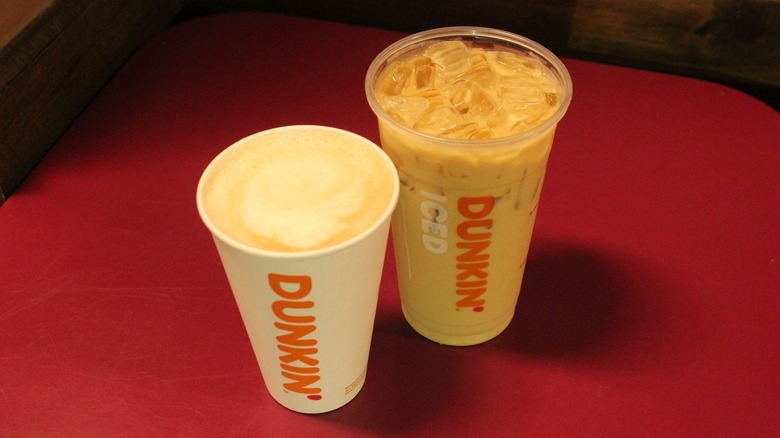
The Cereal N' Milk Latte was introduced in late August, which might feel early for some, but with the weather already starting to change, it’s clear that autumn is on its way. The latte is available both hot and iced, so I decided to try both versions to see if they live up to the hype.

A Sweet and Unusual Flavor

Dunkin' has a loyal following, and many of its customers are drawn to the sweet, creamy lattes that dominate the menu. The Cereal N' Milk Latte is no exception. It’s designed to taste like the milk left at the bottom of a bowl of marshmallow cereal. The key difference here is that Dunkin' isn’t using a syrup or concentrate to achieve the flavor. Instead, they’ve created a special "cereal milk" that’s made with actual cereal, giving it a unique texture and taste.

When I ordered my first cup, I noticed a light pink milk carton being pulled from the fridge — that’s the cereal milk. Unlike other lattes, you can't customize the milk for this one, which means the flavor is set in stone. The result is a drink that’s intensely sweet, with a strong marshmallow undertone that quickly becomes overwhelming.

Nostalgia Meets Reality

Dunkin' has positioned the Cereal N' Milk Latte as a nostalgic treat, with promotional materials featuring the tagline “Tastes like Saturday Mornings.” While the idea of reliving childhood memories is appealing, the reality of the drink doesn’t quite match that sentiment. The color of the latte is pale and milky, and the overall appearance is rather unexciting. The texture is also an issue — the chalky, marshmallow-like consistency of the cereal milk is not pleasant, especially when paired with the heavy sweetness.

Even the iced version of the latte didn’t offer much relief. The flavor remains one-note, with the cereal milk overpowering any hint of espresso. The aftertaste is cloyingly sweet and has an artificial sharpness that lingers. For a drink meant to evoke warm, happy memories, it falls short in almost every way.

Other Fall Releases from Dunkin'

The Cereal N' Milk Latte isn’t the only new item hitting Dunkin's fall menu. Alongside it, customers can expect to find the Pumpkin Spice Signature Latte, Pumpkin Cold Brew with Sweet Cold Foam, and a variety of pumpkin-themed pastries, including Pumpkin Cake Donuts and an Iced Pumpkin Loaf. There’s also an expanded selection of Sabrina Carpenter's Daydream Refresher, which was introduced earlier this summer.

While these items are more traditional fall flavors, the Cereal N' Milk Latte stands out as a unique, if not entirely successful, addition. It’s only available for a limited time, so if you're curious, it might be worth trying before it disappears.

Price and Nutrition Facts

In terms of pricing, Dunkin's lattes aren’t overly expensive, but there is a noticeable difference between hot and iced versions. A medium Cereal N' Milk Latte costs $4.59 for the hot version and $5.49 for the iced one. These prices may vary depending on the location.

Nutritionally, the drink is heavy on sugar and calories. A medium Cereal N' Milk Latte contains 43 grams of sugar, 27 grams of which are added sugars. It also includes 330 milligrams of sodium, 30 milligrams of cholesterol, and 47 grams of carbs. For those who are mindful of their intake, this could be a concern.

Final Thoughts

Overall, the Cereal N' Milk Latte is an interesting experiment, but it doesn’t quite hit the mark. The flavor is too sweet, the texture is off-putting, and the overall experience lacks the charm that Dunkin' usually brings to its seasonal offerings. If you’re a fan of bold, sweet lattes, you might still enjoy it, but for most, it’s probably best to stick with the tried-and-true pumpkin spice options.

Bio-Inspired Medical Glue Seals Wounds in Seconds

Bio-Inspired Medical Glue Seals Wounds in Seconds

Featured Image

The Evolution of Medical Adhesives

When most people think of medical glue, they envision a simple solution for minor cuts and scrapes. However, recent advancements in science have taken the concept far beyond basic first-aid. A new generation of bioadhesives—inspired by nature—has the potential to revolutionize surgical procedures, offering alternatives to traditional sutures and staples. These innovative adhesives could stop life-threatening bleeding in seconds, allow for the safe removal or repositioning of implants, and significantly improve patient outcomes.

One of the biggest challenges in medicine is creating an adhesive that can stick effectively in a wet, dynamic environment like human tissue. If scientists can solve this issue, it could change the way doctors manage trauma care, surgery, and recovery. Researchers are now looking to nature for inspiration, drawing from creatures that have mastered the art of adhesion.

Learning from Nature: Barnacles and Spiders

A team of researchers from MIT and the Mayo Clinic has been studying how animals like barnacles and spiders manage to stick to surfaces in challenging environments. A few years ago, an MIT team developed a surgical tape inspired by spider silk. Spiders use sticky polysaccharides to hold prey even in damp conditions, and the MIT design worked similarly, quickly absorbing water and leaving a dry spot for glue to attach. This invention showed promise for closing surgical incisions.

However, the latest project took inspiration from another expert in adhesion: the barnacle. These tiny sea creatures are known for their ability to cling to rocks, ships, and even whales, despite living in the rough, wet ocean. What makes barnacle glue so effective is its structure. Proteins that act like sticky hooks are suspended in a natural oil, which pushes away water and contaminants so the adhesive proteins can grab onto a surface.

“We found that this creature living in a marine environment is doing exactly the same thing that we have to do to deal with complicated bleeding issues,” explains Hyunwoo Yuk, an MIT Research Scientist involved in the study.

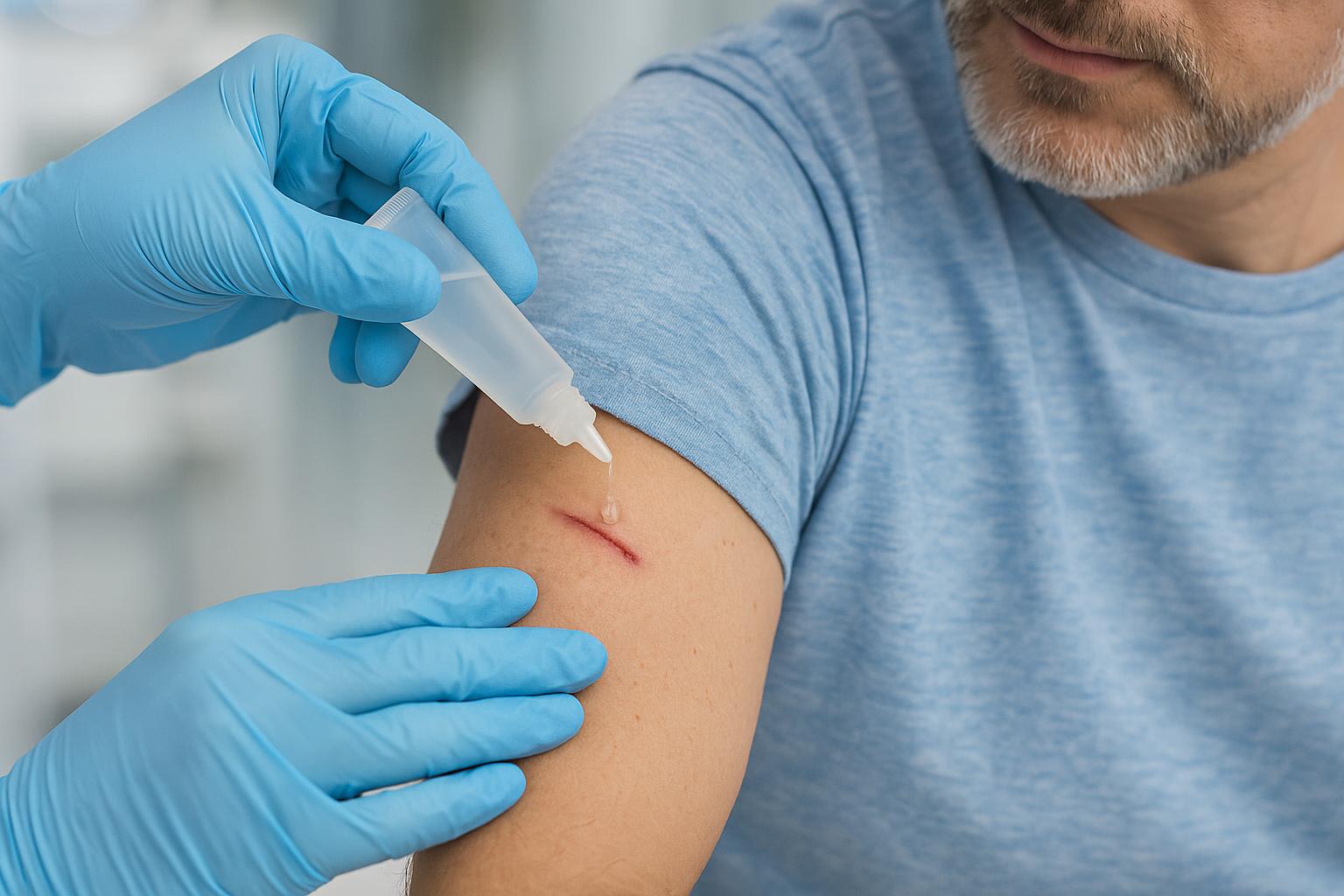
The team mimicked this process by mixing medical-grade silicone oil with microparticles of a specially engineered polymer. The oil sweeps away blood and fluids, while the particles quickly bind to tissue. Pressing it onto a wound creates a tight seal within about 15 seconds, even in areas covered in blood.

Stopping Bleeding Fast

Stopping blood loss quickly is critical in emergencies. Among soldiers on the battlefield, it’s the leading cause of death after injury. For civilians, it ranks second after trauma. Traditional stitches are too slow to apply in emergencies, and patches with clotting factors can take minutes to work—an eternity when bleeding is severe.

This new bioadhesive shows significant strength in lab tests. In studies with rats, it sealed wounds in under half a minute. In trials with pigs, it rapidly stopped liver bleeding and outperformed commercial agents currently available. Even when pigs were given strong blood thinners, the glue still did its job.

Dr. Christoph Nabzdyk, a cardiac anesthesiologist at the Mayo Clinic who co-led the study, emphasizes the importance of this innovation: “We’re technically capable of carrying out a lot of complicated surgeries, but we haven’t really advanced as fast in the ability to control especially severe bleeding expeditiously.”

The glue holds up for weeks, long enough for the tissue underneath to heal, and causes little inflammation. Over time, it safely dissolves inside the body. If doctors need to remove it sooner—for instance, to access a wound site later—they can apply a special solution that gently breaks the bond without damaging surrounding tissue.

Flexibility and Versatility

One advantage of the paste-like glue over earlier adhesive tapes is its flexibility. Tapes are flat and work best for neat, straight incisions. But in the chaos of trauma, wounds are rarely so tidy. The paste can be molded to fit irregular shapes and pressed into place, adapting to whatever the injury looks like.

“The moldable paste can flow in and fit any irregular shape and seal it,” says Jingjing Wu, an MIT postdoc involved in the research.

That versatility could make the glue a valuable tool not just in hospitals but also in ambulances, on the battlefield, or anywhere fast bleeding control is needed.

Designing an Adhesive That Listens to Doctors

Another group of researchers has taken the challenge a step further by developing a bioadhesive that not only bonds instantly to wet tissue but can also be detached on demand. Their formula relies on polymers such as polyvinyl alcohol and poly(acrylic acid) combined with a compound called NHS ester. When pressed onto wet tissue, the material soaks up water like a sponge, then latches onto the tissue with a mix of weak and strong bonds.

The clever twist comes in how doctors can remove it. By applying a mild solution of sodium bicarbonate (essentially baking soda) and glutathione, a natural antioxidant, the adhesive’s bonds break apart and the glue lifts off gently. No heat, harsh chemicals, or ultraviolet light required.

In rat studies, the material proved biocompatible, causing minimal reaction in tissue. In tests with pig organs, it sealed leaks in lungs and was safely detached from a beating heart when needed. This approach could allow surgeons to reposition adhesives or remove implanted devices without causing new injury.

The Future of Wound Care

Every year, millions of surgeries worldwide rely on sutures and staples. While they remain reliable, they also cause small punctures in tissue, take time to place, and may not provide airtight or watertight seals. Adhesives could reduce surgery times, minimize scarring, and improve patient recovery.

Xuanhe Zhao, a professor at MIT and senior author of the barnacle-inspired glue study, sums it up: “We are solving an adhesion problem in a challenging environment, which is this wet, dynamic environment of human tissues. At the same time, we are trying to translate this fundamental knowledge into real products that can save lives.”

With new adhesives that are strong, flexible, and even reversible, the days of relying solely on stitches and staples may be numbered.

Practical Implications of the Research

If these adhesives prove successful in larger clinical trials, they could change emergency medicine. First responders might one day carry tubes of moldable paste capable of saving lives in seconds. Soldiers on the battlefield could receive immediate treatment for severe wounds before reaching a hospital.

Surgeons may also see operating times cut down, giving them more control during complex procedures. Adhesives that can be removed safely mean fewer risks when devices need to be repositioned or replaced. Patients could experience faster recovery, fewer complications, and less scarring.

In the long term, the technology might extend to everyday medical devices, improving how catheters or heart-assist machines are attached to the body. With millions of surgeries each year, even small improvements could have an enormous impact.