Thursday, August 21, 2025

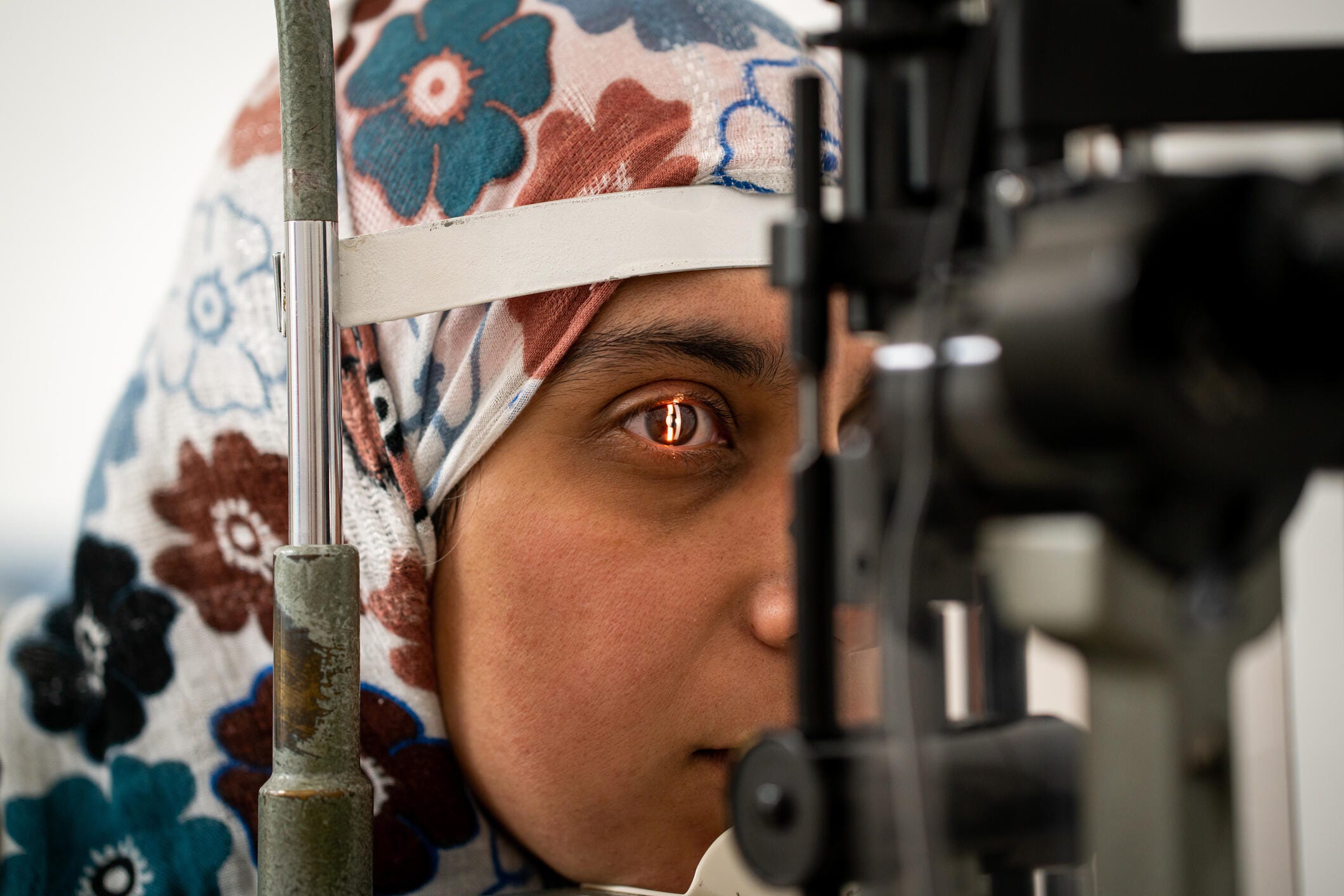
Eye Exams: What's Tested, What's Used, and What to Expect

Eye Exams: What's Tested, What's Used, and What to Expect

Featured Image

Understanding the Eye Exam Process

An eye exam is a crucial part of maintaining overall health and ensuring clear vision. Whether you experience dry, itchy eyes, blurred vision, or cataracts, or if you have perfect 20/20 vision, regular eye exams are essential for protecting your sight and detecting potential issues early. With increased screen time and lifestyle factors impacting eye health, it’s more important than ever to stay proactive about your eye care.

What Happens During an Eye Exam?

A comprehensive eye exam involves a series of tests designed to evaluate both the health and function of your eyes. These exams can last anywhere from 30 minutes to several hours, depending on the complexity of the tests and the specific needs of the patient. The cost of an eye exam varies, typically ranging from $10 to $40 for those with insurance and $50 to $250 for those without.

There are different types of eye exams, each serving a unique purpose:

  • Comprehensive Eye Exam: A thorough evaluation of eye health and vision.
  • Follow-Up Eye Exam: Conducted to monitor changes in eye health or vision after previous treatment or diagnosis.
  • Vision Screening: Often performed at the DMV or school to test visual acuity and ensure safe driving or academic performance.

Key Tests Performed During an Eye Exam

During an eye exam, various tests are conducted to detect vision problems and underlying medical conditions such as heart disease and diabetes. According to Dr. Jennifer Wademan, an optometrist, the process includes three main components: pre-test screening, vision testing, and an eye health assessment.

The pre-test screening gathers information about your eyes, including any difficulties you may have with seeing your phone or driving at night. It also considers your general health, which can provide insights into conditions that may affect your eye health.

Diagnostic tests include measuring visual acuity, checking peripheral vision, and testing eye pressure, which helps screen for glaucoma. For individuals aged 60 and older, annual exams are recommended due to a higher risk of developing glaucoma.

Machines Used in Eye Exams

Eye doctors use specialized equipment to conduct these tests. Some of the common tools include:

  • Phoropter: Determines the appropriate prescription for corrective lenses.
  • Keratometer: Measures the curvature of the cornea.
  • Ophthalmoscope: Allows the doctor to examine the inside of the eye, including the retina and optic nerve.
  • Autorefractor: Measures refractive error and determines the prescription needed for eyeglasses or contact lenses.
  • Tonometer: Measures intraocular pressure to screen for glaucoma.
  • Visual Acuity Charts: Tests the clarity of vision at different distances.
  • Slit Lamp Biomicroscope: Provides a detailed view of the front of the eye and its structures.
  • Retinal Camera: Captures images of the retina for detailed examination.

How Often Should You Get an Eye Exam?

The frequency of eye exams depends on age. Adults under 64 generally require exams every two to three years, while those over 65 should consider annual visits to detect age-related conditions early. However, yearly exams for all adults can be beneficial. Even if someone has "good" vision, they should still undergo regular exams to monitor for changes in eye health.

Eye exams can also detect serious, "silent" problems such as dry eye, glaucoma, cataracts, and macular degeneration. These conditions may not present obvious symptoms but can require additional visits for monitoring and treatment.

What Is Evaluated During an Eye Exam?

During an eye exam, the following factors are evaluated:

  • Medical History: Includes vision, health, family medical history, medications, and use of corrective lenses.
  • Visual Acuity: How well you see at different distances.
  • Prescription: Best eyeglass or contact lens prescription.
  • Pupil Response: How your pupils react to light.
  • Peripheral Vision: Side vision.
  • Eye Movement: Eye alignment and muscle function.
  • Eye Pressure: Intraocular pressure.
  • Front of Eye: Condition of cornea, iris, lens, and eyelids.
  • Retina and Optic Nerve: Signs of disease-related damage.

After an Eye Exam

After the exam, the doctor will review the results with you and discuss any prescriptions or treatment recommendations. Follow-up appointments may be necessary to monitor conditions, adjust prescriptions, or address newly detected issues. If eye dilation was performed, your pupils may remain enlarged for a few hours, causing sensitivity to light and blurry vision up close. It is advisable to wear sunglasses and avoid driving if you've had dilation.

Understanding Eye Care Professionals

It's important to understand the differences between various eye care professionals:

  • Ophthalmologists: Medical doctors specializing in complex eye treatments, including surgeries for conditions like glaucoma and cataracts.
  • Optometrists: Focus on comprehensive vision and primary eye health care, including prescribing corrective eyewear and managing eye conditions.
  • Opticians: Help patients with glasses and contact lenses, including fitting, adjusting, and repairing frames.

Finding the Right Eye Doctor

To find the right eye care professional, consider asking family or friends for recommendations, requesting a referral from your primary care physician, using online directories, or contacting local hospitals. If you have vision insurance, check with your provider for a list of in-network doctors. It's also possible to find affordable eye exams without insurance or to get glasses without an exam.


Jim Walmsley's Running Journey Begins After Military Discharge

Jim Walmsley's Running Journey Begins After Military Discharge

Featured Image

A Journey of Resilience and Running

Jim Walmsley is a man who thrives on movement. He admits he hates sitting still and finds downtime challenging. This restlessness has shaped his career as an endurance athlete, where he runs up to 140 miles a week—mostly on trails and hills. For Walmsley, running isn’t just a sport; it’s a way to channel his energy and find purpose.

Currently, he’s recovering from a lingering knee injury that had him worried about his upcoming races. However, the setback is now behind him, and he’s gradually increasing his training mileage in preparation for the World Mountain and Trail Running Championships in Spain and the Pyrenees in late September. This return to training has not only improved his physical fitness but also boosted his mood.

“I get to do longer runs that take me to fun places,” says Walmsley. “I’m back to a happy part of my relationship with running and being able to do enough that’s quite satisfying.”

For Walmsley, ultrarunning has always been more than a career or a hobby. It has been a refuge during some of the darkest times in his life. After graduating from the Air Force Academy, he was stationed at Malmstrom Air Force base in Great Falls, Montana, working 24-hour shifts as a nuclear missileer. The job was isolating and didn’t allow much time for running, which he had previously done in high school track and cross-country.

Despite the challenges, Walmsley found solace in running whenever he could. However, his time in the military was short-lived due to a proficiency test cheating scandal and an earlier DUI charge, which led to his discharge. Following this, his mental health declined, and he struggled with depression and suicidal thoughts.

“It was a tough time,” he recalls. “I haven’t looked back on it too much. Sometimes it’s still a triggering time, and I like being more in the present.”

After seeking professional help and taking a job at a bike shop in Flagstaff, Arizona, Walmsley rediscovered his passion for running. Creating a routine around his training gave him stability and a sense of purpose. He began to see progress and found joy in the process.

“Running became a bright point in my life,” he explains. “It made me happy, and I liked talking about it. The positive feedback from running helped me come out of a difficult period.”

Ultrarunning, defined as any distance longer than a marathon, is often seen as a different pursuit altogether. Races are held in harsh conditions and can last many hours or even days, pushing participants to their physical and mental limits. For Walmsley, the sport has become a way to challenge himself and embrace the beauty and brutality of long-distance running.

His background in track, road, and cross-country running is unique within the ultrarunning community. In 2020, he competed in the US Olympic marathon trials, placing 22nd. However, it’s over the trails and longer distances that Walmsley has truly excelled. He once held the world’s best 50-mile time and is a four-time champion at Western States, an iconic 100-mile ultramarathon.

Walmsley’s journey hasn’t been without setbacks. His debut at Western States in 2016 saw him take a wrong turn and finish 20th. But since then, he has grown into a seasoned trail runner, becoming the first and only American man to win the Ultra-Trail du Mont-Blanc (UTMB), one of the most prestigious and challenging races in the world.

“Getting brought up in American running culture has set me up to have a bunch of fallacies and fail in a lot of different ways in ultrarunning,” Walmsley says. “I’ve learned that walking up steep inclines is often faster and more efficient than running. I’ve also learned the importance of fueling properly and staying patient, even when my instinct is to push harder.”

For Walmsley, ultrarunning is a deeply personal experience. He values the moments of doubt and questioning that every runner faces, as they often lead to motivation and perseverance.

“I think 24 hours is a really long, beautiful length of a race because you’re racing one day, one rotation of the Earth,” he explains. “It brings you to the present, focusing on going forward. That simplicity is a special feeling we can have as humans.”

Walmsley will compete in the OCC at UTMB week on August 27, one of several races staged alongside the full-distance event. However, a recent knee injury has forced him to skip the main event at his doorstep. Now a resident of Chamonix, he’s frustrated but focused on future-proofing his knee from further injury.

“I would rather find myself healthy and competing for UTMB again,” he says. “But this year, I’m more afraid of regressing, and I hope to move past this injury.”

Patience has been a key lesson in his ultrarunning career, and it’s now essential for preserving his future health. Despite the challenges, Walmsley has no plans to stop running. He hopes to remain a lifelong runner, finding mental and physical benefits in the act of moving forward.

“I think I’ve learned that about myself—that it helps me a lot mentally to keep moving.”

Scent Nirvana in the Catskills: How Heavenly I Smell

Scent Nirvana in the Catskills: How Heavenly I Smell

Featured Image

The Power of Scent and Its Healing Influence

Fragrance has an almost magical ability to transport us. It is one of the most powerful senses that humans possess, capable of reviving long-forgotten memories or conjuring vivid images of sun-drenched beaches, overgrown gardens, or glamorous nights at historic jazz bars. There's even a perfume for every experience, from serene mountain retreats to lively dance floors. But beyond just evoking nostalgia, fragrances can have real healing benefits. This is something that Courtney Somer, founder of Lake and Skye, understands deeply after experiencing health challenges that led her to explore the holistic power of scent.

For me, the journey began with a simple escape from the chaos of Manhattan. A trip to the Catskill Mountains in New York provided a much-needed respite, where I discovered transformative scents that felt like a breath of fresh mountain air. As I continued wearing these fragrances in the city, I noticed that others were just as captivated by them. Whether on the train, at work, or in a coffee shop, people kept asking, "What perfume are you wearing?" It was clear that these scents had a magnetic quality that drew attention and admiration.

Escapist Scents That Captivate

11 11 Azure Eau de Parfum

Key notes: Water accord, hyacinth, oakmoss
This aquatic fragrance offers a refreshing escape, blending the crispness of clean linens, the beauty of summertime hydrangeas, and the serenity of lush mountainscapes. As a marine iteration of Lake and Skye’s signature fragrance, 11 11 Azure is designed to evoke a sense of freedom, renewal, and possibility. Its initial spritz delivers a burst of fresh greens and rare florals, transitioning into a woody-sweet aroma that feels both sophisticated and grounding.

Somer describes it as an addictive, magnetic skin scent that attracts compliments. It’s more than just a fragrance—it’s a wearable good-luck charm meant to inspire confidence and strength. The essence of this scent is a portal between worlds, transporting you from your small NYC apartment to a place of peace and serenity with just one spritz.

333 Sheer Fig + Salt Hair & Body Mist

Key notes: Grapefruit blossom, salted fig, sandalwood
This hair-and-body mist offers a lighter alternative to the eau de parfum, making it ideal for daily use. Inspired by the tranquil wooden cabin I stayed in during my retreat, it blends the earthy notes of sandalwood with the freshness of grapefruit blossom and the salty undertones of fig. The formula also includes nourishing ingredients like glycerin, which softens skin and hair with each mist.

Somer emphasizes that using body mists is not just about fragrance—it’s a self-care ritual. The act of misting oneself can be a moment of intention-setting, helping to ground and uplift the wearer. The numerology behind the fragrance, with its “333” theme, adds another layer of meaning, reinforcing the idea of being exactly where you're meant to be.

11 11 Lychee Eau de Parfum

Key notes: Lychee, peony, Hinoki wood
For those who enjoy a more vibrant and playful vibe, 11 11 Lychee offers a sweet and warm blend of lychee, peony, and Hinoki wood. This fragrance is all about joy and connection, creating a radiant energy that draws people in. It’s perfect for moments when you want to feel optimistic and effortlessly flirtatious.

Somer describes it as a celebration of life, capturing the essence of a setting sun and the glow of a disco ball. With its unique combination of sticky-sweet and earthy notes, this fragrance is sure to make a lasting impression.

Other Recommended Scents

  • Maison Margiela Replica Sailing Day Eau de Toilette – Key notes: Aquatic accord, red seaweed essence, coriander
  • SKYLAR Salt Air Eau de Parfum – Key notes: Sea salt, driftwood, seaweed
  • Glossier Body Spritz – Key notes: Fig leaf, clary sage, sandalwood
  • NOYZ Salty Hair + Body Fragrance Mist – A refreshing option for those who love the oceanic vibe
  • The 7 Virtues Candied Lychee Eau de Parfum – Key notes: Lychee, vanilla, peony
  • Ellis Brooklyn Lychee Milkshake Hair and Body Fragrance Mist – Key notes: Lychee milkshake, sparkling cassis, sugar cane

These scents offer more than just a pleasant aroma—they provide a sense of well-being and connection. As research from Harvard Medicine highlights, scent has the power to trigger emotional responses and influence physical health. By choosing the right fragrance, we can enhance our mood, boost confidence, and create a deeper sense of harmony with ourselves and the world around us.

Vista Careers: Lincoln Center for Family and Youth

Vista Careers: Lincoln Center for Family and Youth

Featured Image

About The Lincoln Center for Family and Youth

The Lincoln Center for Family and Youth, established in 1970, is a nonprofit organization that has grown into a dynamic social enterprise dedicated to improving the lives of individuals and communities. Based in Audubon, the center operates across multiple states, offering a wide range of services including K-12 alternative education, mental and behavioral health support, coaching, counseling, and trauma-informed training.

Collaboration is at the heart of the center's mission. It partners with school districts, universities, hospitals, law enforcement agencies, and other nonprofit organizations to provide comprehensive support and secure funding through federal and state grants. This commitment to partnership ensures that the center can offer impactful programs and services tailored to the needs of those it serves.

Community Counselor Position

The Community Counselor plays a vital role in delivering in-home individual, family, and group counseling services in the Norristown area, with a strong emphasis on trauma-informed care. The position involves working with clients facing various challenges, including parenting issues, therapy for children and teens, life skills development, supervised visitation, and intervention for drug and alcohol-related problems. Counselors also support individuals who have experienced physical, sexual, or emotional abuse.

Key responsibilities include providing counseling services in diverse settings such as offices, homes, and schools, adhering to specific policies and procedures, and advocating for clients with healthcare professionals, legal personnel, and service agencies. Counselors are also tasked with maintaining case records, assisting in program planning, and facilitating cooperation with community agencies and schools.

To be successful in this role, candidates must possess knowledge of multiple therapeutic modalities, including cognitive behavioral therapy, motivational interviewing, and trauma expertise. A minimum of an Associate’s Degree is preferred, along with at least two years of related experience, particularly in working with children, families, and individuals at risk for substance abuse.

Special Education Teacher Position

The Special Education Teacher position, located in Chester, offers a $5,000 sign-on bonus. This role involves working with students in grades 7-12 who have socioemotional and mental health needs, as well as learning disabilities. The teacher develops and delivers specialized instruction, evaluates student progress, and serves as the IEP Manager for assigned students.

Responsibilities include assessing student needs, developing teaching plans, and implementing instructional strategies that meet each student's unique requirements. Teachers must collaborate with other educators, counselors, and social workers to create a supportive learning environment. They are also responsible for managing IEPs, updating them throughout the school year, and communicating with parents, teachers, and administrators about student progress.

Ideal candidates should have excellent communication and relationship-building skills, the ability to work effectively in a team, and experience with IEP software. A Bachelor’s Degree and Pennsylvania Special Education Certification (for grades 7-12 or N-12) are required.

Math Teacher Position

The Math Teacher works with at-risk youth in grades 7-12 within an alternative school setting. This role requires flexibility to address the individualized instructional needs of students in a small classroom environment. The teacher must collaborate with other educators, special education staff, counselors, and social workers to support student growth.

Duties include developing a classroom culture that encourages active learning, using project-based learning techniques, leveraging technology to differentiate instruction, and creating a multi-sensory learning environment. Teachers are also responsible for monitoring student progress, maintaining accurate records, and building positive relationships with students and their families.

Candidates should have a Bachelor’s Degree and Pennsylvania Teaching Certification in the subject they teach. Strong communication skills, the ability to work in a team, and proficiency in Microsoft programs are essential for success in this role.

Explore Other Opportunities

The Lincoln Center for Family and Youth offers a variety of job openings across different roles and locations. These positions provide opportunities for professionals passionate about making a difference in the lives of individuals and communities. Whether you are interested in counseling, special education, or teaching, there is a place for you at the center. Explore all available positions and consider contributing your skills and expertise to this impactful organization.

Philadelphia Careers at Lincoln Center for Family and Youth

Philadelphia Careers at Lincoln Center for Family and Youth

Featured Image

Overview of The Lincoln Center for Family and Youth

Founded in 1970 by a behavioral health hospital, The Lincoln Center for Family and Youth (TLC) became a nonprofit organization in 1983. As an entrepreneurial social enterprise, TLC is dedicated to transforming lives and communities through various programs and services. Based in Audubon, the organization operates across multiple states, offering a wide range of educational and mental health support.

TLC provides K-12 alternative education, comprehensive mental and behavioral health services, coaching, counseling, and trauma-informed training. It collaborates with school districts, universities, hospitals, police departments, and other nonprofit organizations. These partnerships help secure federal and state grant funding, allowing TLC to expand its reach and impact.

Available Positions at The Lincoln Center for Family and Youth

Community Counselor

The Community Counselor plays a vital role in providing in-home individual, family, and group counseling services in the Norristown area. The focus is on trauma-informed care, addressing issues such as parenting challenges, therapy for young children and teens, life skills development, supervised visitation, and intervention for drug and alcohol-related problems.

Counselors are expected to work with a variety of assignments and integrate their efforts with other TLC programs and community services. They must be able to meet specific requirements for counseling positions, follow established policies and procedures, and advocate for individuals and families with healthcare professionals, legal personnel, and service agencies.

Key responsibilities include maintaining case records, assisting in program planning, facilitating inter-organizational cooperation, attending training sessions, and overseeing data gathering and reporting. Essential skills include knowledge of therapeutic modalities like CBT, motivational interviewing, trauma expertise, and substance abuse intervention. A minimum of an Associate’s Degree and two years of related experience are preferred.

Special Education Teacher

The Special Education Teacher position, based in Chester, offers a $5,000 sign-on bonus. This role involves working with students who have socioemotional and mental health needs or learning disabilities. The teacher develops and delivers specialized instruction, evaluates student progress, and manages IEPs (Individualized Educational Programs).

Responsibilities include working with students in grades 7-12, assessing student needs, planning teaching activities, and collaborating with educators, counselors, and social workers. The teacher must maintain a classroom environment conducive to academic and socioemotional growth while adhering to PA-mandated due process procedures.

Skills required include excellent communication, teamwork, knowledge of IEP software, and strong substance abuse intervention skills. A Bachelor’s Degree and Pennsylvania Special Education Certification (7-12 or N-12) are necessary.

Math Teacher

The Math Teacher provides academic instruction and socioemotional support to at-risk youth in grades 7-12 within an alternative school setting. The role emphasizes flexibility in meeting the individualized instructional needs of students in a small classroom environment.

Responsibilities include developing a classroom culture where the teacher acts as a facilitator, implementing lesson plans that encourage active learning, using technology to differentiate instruction, and promoting student wellness. The teacher must also maintain accurate records, build positive classroom communities, and participate in meetings with parents, counselors, and other staff.

Essential skills include excellent communication, teamwork, subject matter proficiency, and knowledge of Microsoft programs. A Bachelor’s Degree and Pennsylvania Teaching Certification in the subject taught are required.

Other Opportunities at The Lincoln Center for Family and Youth

In addition to the roles mentioned above, The Lincoln Center for Family and Youth offers a variety of other job openings. These positions provide opportunities to contribute to the organization's mission of supporting individuals and communities through education, mental health services, and community engagement. Prospective candidates can explore all available positions to find the best fit for their skills and career goals.